Wondering if your dog is drinking enough water? Discover how to calculate appropriate canine water intake, foster healthy hydration habits, and recognize signs that might require attention for your pet's well-being.

The Hydration Dilemma: Are You Worried About Your Dog's Water Bowl?
As pet parents, we often find ourselves gazing at our dog's water bowl, wondering if they're drinking enough or perhaps too much. One day, it seems to empty in record time, sparking concerns about excessive thirst. The next, it remains surprisingly full, leading to worries about potential dehydration or illness. Given water's crucial role in canine health, navigating the complexities of proper dog water intake can be confusing. These silent questions about your dog's hydration levels are a common concern for many devoted owners.
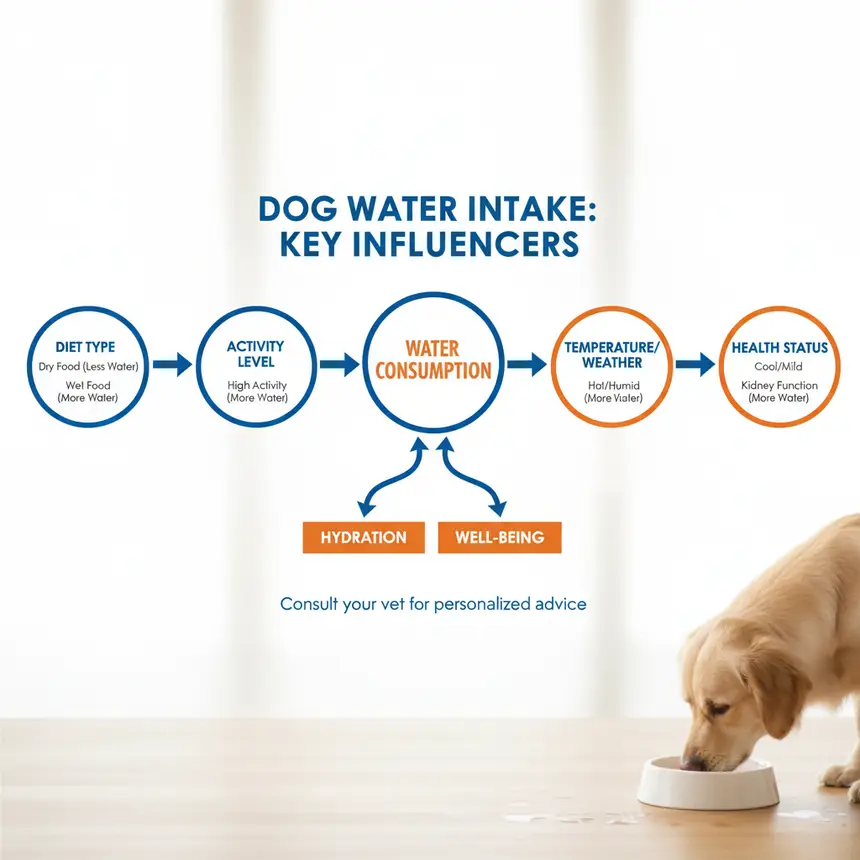
Beyond the Numbers: Understanding Factors Influencing Your Dog's Fluid Needs
The amount of water your dog needs isn't a fixed figure; it varies significantly based on several factors beyond just body weight. A general guideline for healthy adult dogs suggests an intake of around 50-60ml per kilogram of body weight daily. For instance, a 4kg dog would typically consume between 200-240ml of water each day. However, this is merely an average. Your dog's diet (wet food vs. dry kibble), activity level (post-hike vs. a relaxed day), environmental temperature, stress levels, and any underlying health conditions can all impact their individual hydration requirements. Water is vital for digestion, nutrient transportation, temperature regulation, and waste elimination, making monitoring and understanding your dog's water consumption a critical aspect of their overall well-being.
※ This post contains affiliate links. I may earn a commission at no extra cost to you.


Practical Strategies for Promoting Healthy Drinking Habits in Your Canine
To encourage optimal hydration in your dog, proactive measures from pet parents are essential. First, always ensure their water bowl is meticulously clean and refreshed with cool, clean water at least two to three times a day. Contaminated water is a common reason dogs may drink less. Second, consider the placement of water bowls. During warmer months, position them in shaded, cool areas to prevent the water from becoming too warm. Strategically place multiple water bowls throughout your home, ensuring easy access wherever your dog spends time. Third, always offer fresh water immediately after periods of high activity or walks to help replenish fluids. Additionally, some dogs show a preference for moving water, so experimenting with automatic water fountains or different bowl materials like ceramic or stainless steel might encourage more drinking.

Recognizing Key Hydration Signals: Tuning into Your Dog's Health Cues
It is paramount to establish your dog's normal drinking patterns and vigilantly observe for any sudden shifts. If your dog is consuming significantly less water than usual, accompanied by dry or tacky gums, or conversely, if they are drinking 1.5 to 2 times more water than typical and experiencing a sharp increase in urination frequency, pay close attention. Waking up more frequently at night to urinate, if persistent for several days, could indicate more than just a habit change; it might be a crucial health signal. When such changes are noticed, meticulously documenting their water intake and urination patterns before consulting a veterinarian is the safest and most prudent approach. Your keen daily observations are a powerful tool in safeguarding your canine companion's health.
Frequently Asked Questions
Q. My dog drinks less water than the recommended amount. Is this always a problem?
A. Not necessarily. If your dog primarily eats wet food or has a low activity level, their water intake may naturally be lower. However, it's important to monitor for signs like dry gums, changes in urine color, or stool consistency, and observe if this pattern is a consistent change from their norm.
Q. My dog suddenly started drinking a lot more water. Should I be concerned?
A. While it could be temporary, if your dog is drinking 1.5 to 2 times more water than usual and experiencing a significant increase in urination (polydipsia and polyuria) for several days, it could be a sign of underlying health changes. Consulting your veterinarian for a proper diagnosis is recommended.
Q. My dog seems to drink more water in the summer. Is this normal?
A. Yes, this is a normal physiological response. As temperatures rise, dogs naturally increase their water intake to help regulate their body temperature. It's common for them to drink towards the higher end of their recommended range during warmer months, so always ensure fresh water is readily available.
Q. Do automatic water fountains truly help increase a dog's water intake?
A. Some dogs are more intrigued by moving water and may indeed drink more from a fountain. However, this isn't universally true for all dogs. It's best to observe your dog's preferences to determine if a fountain would be beneficial for them.