Gum bleeding and stomatitis in pets are common but often overlooked issues. Learn everything from why dogs' gums bleed to the symptoms, prevention, and management of stomatitis for your pet's healthy oral care.

Pet Parent Concerns: Warning Signs of Gum Bleeding and Stomatitis in Dogs
As pet parents, we often see our furry friends happily engaging with their favorite treats or toys. However, sometimes we might notice an unexpected blood stain, especially if your dog enjoys hard chews. This dog gum bleeding is not something to overlook; it’s a crucial health indicator. When gums start to bleed, it can lead to severe bad breath and even a loss of appetite, signaling potential oral health issues like dog stomatitis. Stomatitis causes significant pain and discomfort for pets, potentially altering their usual vibrant behavior. Therefore, recognizing early symptoms and acting promptly is extremely important for their well-being.
Understanding the Root Causes of Gum Problems and Effective Oral Care Strategies
Gum bleeding and stomatitis in pets can arise from a combination of factors. One of the most common causes is minor injuries to the gums or teeth damage from excessively hard treats or toys, which can then become entry points for bacterial infection. Additionally, the buildup of plaque and tartar on tooth surfaces leads to gum inflammation (gingivitis). In some cases, the immune system might overreact to oral bacteria, a phenomenon known as an overactive immune response, which can lead to stomatitis. Stress, a weakened immune system, specific viral infections, or other systemic diseases can also impact oral health.
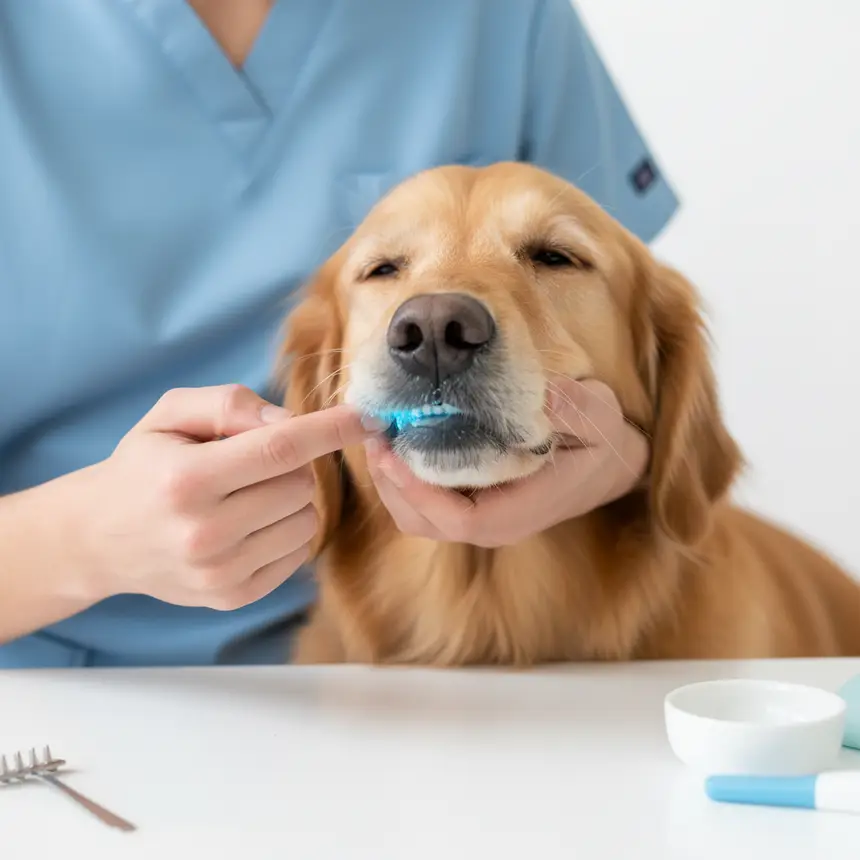
Addressing these issues requires a multi-faceted approach. First, regular veterinary check-ups are essential for an accurate diagnosis of your pet's oral condition, and professional dental cleaning (scaling) should be considered if recommended. At home, consistent daily brushing helps prevent plaque accumulation. It's best to use soft oral hygiene products that won't irritate your pet's gums. If the gums are already red or bleeding, using specialized oral care products designed to form a protective barrier and soothe the irritated areas can be beneficial. These products help shield the affected site from external irritants and reduce discomfort. Ingredients that aid in moisturizing, tissue regeneration, or mucous membrane protection can further contribute to improving the oral environment.
Addressing these issues requires a multi-faceted approach. First, regular veterinary check-ups are essential for an accurate diagnosis of your pet's oral condition, and professional dental cleaning (scaling) should be considered if recommended. At home, consistent daily brushing helps prevent plaque accumulation. It's best to use soft oral hygiene products that won't irritate your pet's gums. If the gums are already red or bleeding, using specialized oral care products designed to form a protective barrier and soothe the irritated areas can be beneficial. These products help shield the affected site from external irritants and reduce discomfort. Ingredients that aid in moisturizing, tissue regeneration, or mucous membrane protection can further contribute to improving the oral environment.
※ This post contains affiliate links. I may earn a commission at no extra cost to you.


Continuous Practice and Preventive Measures for Optimal Oral Health
Maintaining your pet's oral health requires ongoing attention and effort, not just a one-time fix. Starting today, it's crucial to regularly check your pet's mouth and pay close attention to even minor changes. Incorporate daily brushing into your routine and choose treats and toys that support good oral hygiene. It's particularly important to avoid overly hard or sharp treats, as these can cause gum injuries or tooth damage.
If your dog shows signs of pain while eating, constantly paws at its mouth, or develops persistent bad breath, do not hesitate to visit a veterinarian for professional help. Early detection and management of oral diseases significantly reduce your pet's suffering and contribute to a healthier, happier life. Why not start planning your pet's oral health care today to ensure they can flash a healthy, joyful smile?
If your dog shows signs of pain while eating, constantly paws at its mouth, or develops persistent bad breath, do not hesitate to visit a veterinarian for professional help. Early detection and management of oral diseases significantly reduce your pet's suffering and contribute to a healthier, happier life. Why not start planning your pet's oral health care today to ensure they can flash a healthy, joyful smile?
Frequently Asked Questions
Q. What are the common causes of gum bleeding in dogs?
A. The most common causes include gum inflammation (gingivitis) due to plaque and tartar buildup, gum injury from hard treats or toys, and oral diseases like stomatitis. Rarely, it can also be a sign of other systemic health issues.
Q. How does stomatitis differ from general gum inflammation?
A. General gum inflammation (gingivitis) is typically confined to the gums around the teeth. In contrast, stomatitis involves widespread inflammation of the entire oral mucosa, including the gums, tongue, roof of the mouth, and inner cheeks. Stomatitis is often linked to immune responses and tends to cause more severe pain.
Q. What are effective ways to manage my dog's oral health at home?
A. Daily brushing with a soft toothbrush and pet-specific toothpaste is paramount. Additionally, using dental hygiene chews that help reduce tartar and oral rinses can be beneficial, along with regular veterinary check-ups.
Q. When should I take my dog to the vet if I suspect gum bleeding or stomatitis?
A. If gum bleeding is persistent or severe, if bad breath worsens, if your pet refuses to eat or shows signs of pain, constantly paws at its mouth, or drools excessively, it's best to visit your veterinarian immediately for an accurate diagnosis and appropriate treatment.