Worried about your cat vomiting? While common, it's vital to distinguish between simple hairballs and serious health concerns. Learn about the various causes of cat vomiting, at-home management tips, and when to seek professional veterinary help.

H2. A Worried Pet Parent: Why Did My Cat Just Vomit?
Witnessing your beloved feline companion unexpectedly vomit can be a startling experience for any pet parent. Sometimes it's undigested food, other times it's a sticky hairball, and occasionally, it's just a yellow liquid. While cat vomiting is a common part of living with a feline, it invariably brings with it a wave of concern. Is this just a transient incident, or could it be a symptom of a deeper health issue? This article will delve into how to differentiate between a simple physiological event and a more serious sign that requires careful attention. Understanding your cat's health status accurately is crucial for taking appropriate action.
H2. Unpacking the Various Causes of Cat Vomiting and How to Differentiate Them
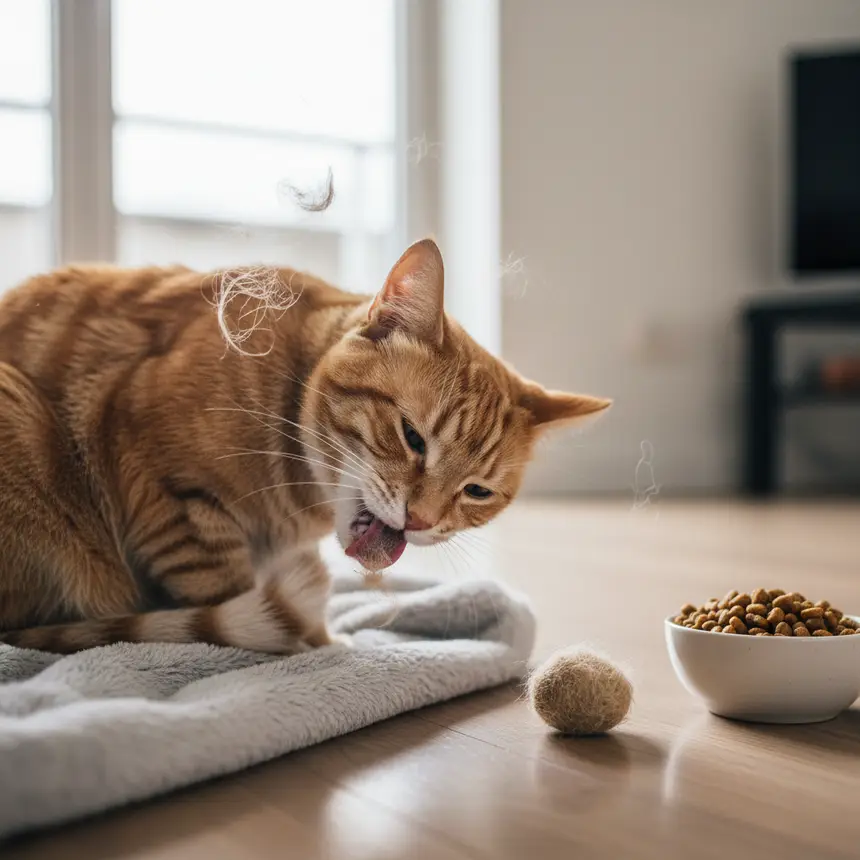
The reasons behind cat vomiting are surprisingly diverse. Most commonly, hairball-related vomiting occurs due to their grooming habits. When cats groom themselves, they ingest loose fur, which can accumulate in their digestive tract and eventually be expelled. This is more frequent in long-haired cats or those who groom extensively, often resulting in distinct fur clumps in the vomit. Another common cause is eating too quickly. Rapid ingestion of food can irritate the stomach, leading to the regurgitation of undigested food. Sudden dietary changes can also trigger vomiting; switching to a new food or introducing new treats can upset a cat's digestive system temporarily. Other culprits include consuming spoiled food, bacterial infections, parasitic infestations leading to gastrointestinal inflammation, or even as an early symptom of certain illnesses. Observing the vomit's contents (hairballs, undigested food, bile) and color (yellow, clear, brown) is essential for clues.
※ This post contains affiliate links. I may earn a commission at no extra cost to you.

H2. At-Home Management and Prevention Strategies for Feline Vomiting
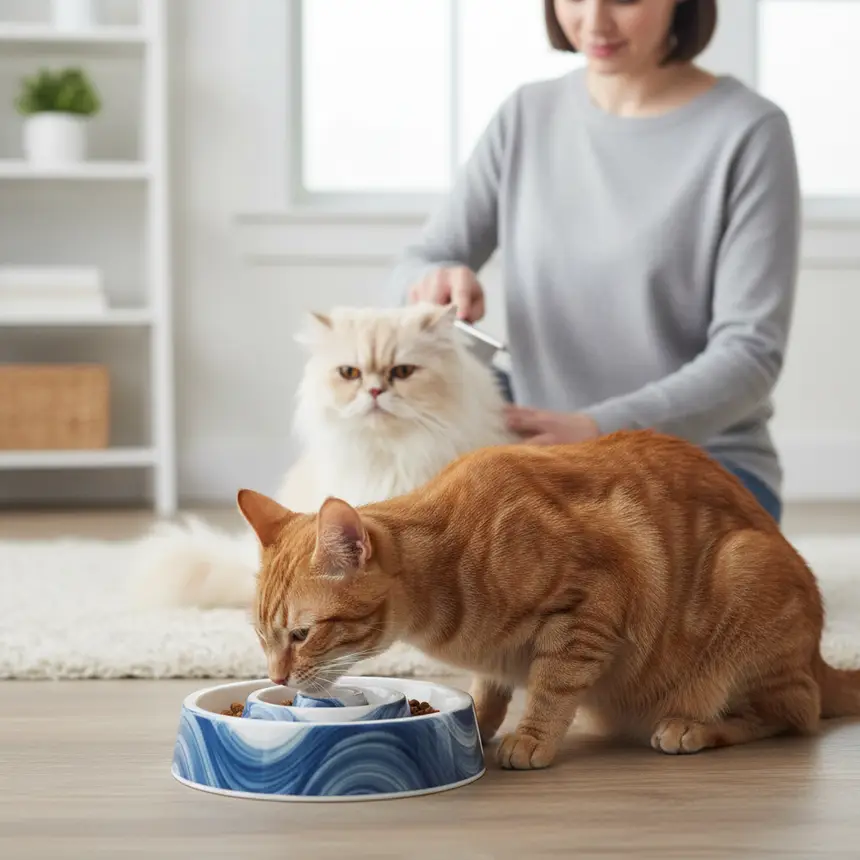
If your cat experiences occasional vomiting, there are several management and prevention strategies you can implement at home. First, regular brushing is vital for hairball control. Pay extra attention during shedding seasons to remove loose fur. Second, if your cat eats too quickly, consider using a 'slow feeder' bowl or dividing meals into smaller, more frequent portions to regulate their eating pace. Third, when changing cat food, introduce the new food gradually over 7-10 days by mixing it with the old food, allowing their digestive system to adjust. Fourth, ensure your cat has access only to safe and fresh food by keeping their environment clean and preventing access to spoiled items. These measures can significantly reduce the frequency of vomiting and help maintain your cat's gastrointestinal health.
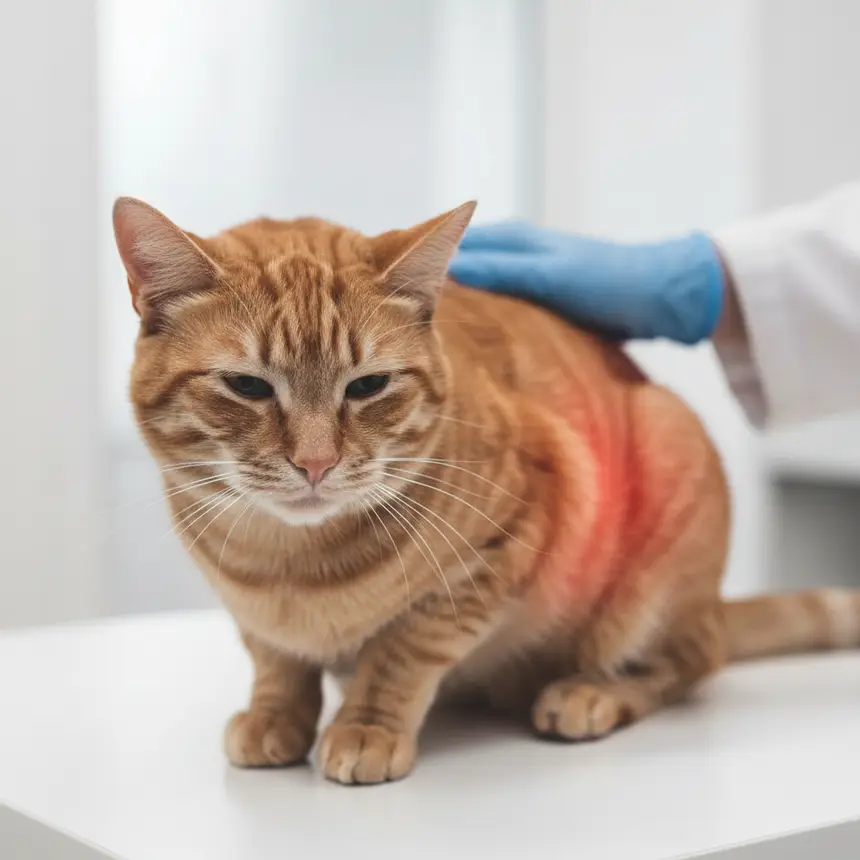
H2. When to Seek Expert Help: Key Signs to Observe During Vomiting
While many instances of cat vomiting can be managed at home or are temporary, some situations absolutely require veterinary attention. It's crucial to consult a veterinarian immediately if any of the following signs accompany vomiting:
- Vomiting occurs multiple times a day or persists for more than 24 hours.
- Vomiting is accompanied by other symptoms like diarrhea, loss of appetite, lethargy, or weight loss.
- There is blood in the vomit, or it is dark brown and contains a lot of mucus.
- The cat repeatedly tries to vomit but nothing comes up, or they are dry heaving.
- The cat assumes an unusual, painful posture or dislikes having its abdomen touched.
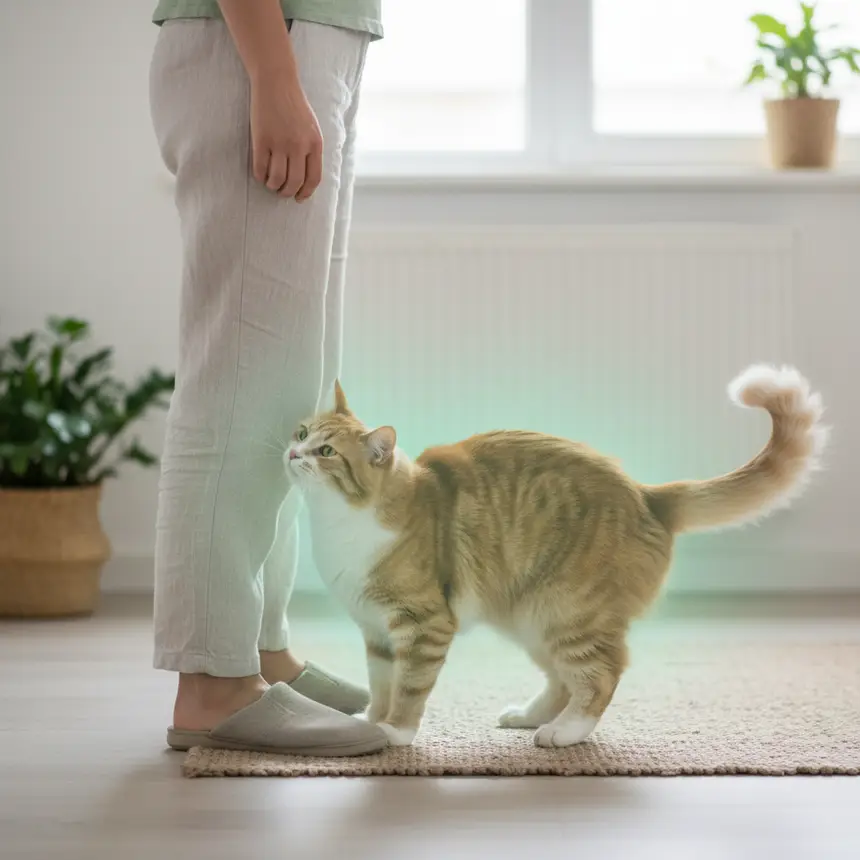
H2. Listen to Their Subtle Cues: A Gift of a Healthy Life for Your Cat
While feline vomiting can be a source of worry for pet parents, it also serves as a vital clue to understanding your cat's overall health. While simple hairball expulsion or indigestion might be reassuring, closely observing the frequency of vomiting and any accompanying symptoms can help detect and address potential health issues early on. To ensure your beloved feline enjoys a healthy and happy life, be sensitive to even minor changes and do not hesitate to seek professional help when needed. Your thoughtful attention and care are the greatest expressions of love for your cat.
Frequently Asked Questions
Q. Is it okay to feed my cat immediately after they vomit?
A. It's generally best to let their stomach rest for at least a few hours after vomiting without offering food or water. Once symptoms improve, start with small amounts of water, then introduce small portions of bland food.
Q. What does it mean if my cat vomits yellow liquid?
A. Yellow liquid is typically stomach acid or bile. It often occurs when the stomach is empty for too long, but it can also signal gastric inflammation or other digestive issues. If it persists, consult a veterinarian.
Q. How can I reduce hairball vomiting in my cat?
A. The most effective method is regular brushing to remove loose fur. You can also consider foods rich in fiber that support digestive health or specialized hairball control supplements.
Q. My cat is panting more than usual after vomiting, is this normal?
A. Panting after vomiting can be a sign of stress or pain. If panting is accompanied by difficulty breathing, it's crucial to seek immediate veterinary attention.