Feeling hesitant about resuming your cat's dental care after a long break?
Discover practical steps and tips to successfully establish a regular brushing routine for your cat, regardless of age.

Is It Too Late to Restart Your Cat's Dental Care Routine?
Do you worry about your beloved feline's bad breath or feel a pang of guilt every time your vet mentions tartar buildup? Many cat parents hesitate to resume brushing their cat's teeth, either due to past failed attempts or simply having let the routine slide for too long. You might wonder if starting now would even make a difference. However, it's crucial to understand that your cat's oral health is directly linked to their overall well-being, and it's never too late to begin. Establishing a consistent feline oral hygiene routine, even if started later in life, can significantly enhance your cat's quality of life and contribute to their long-term health.
Why Feline Dental Care is Challenging and the Risks of Neglect
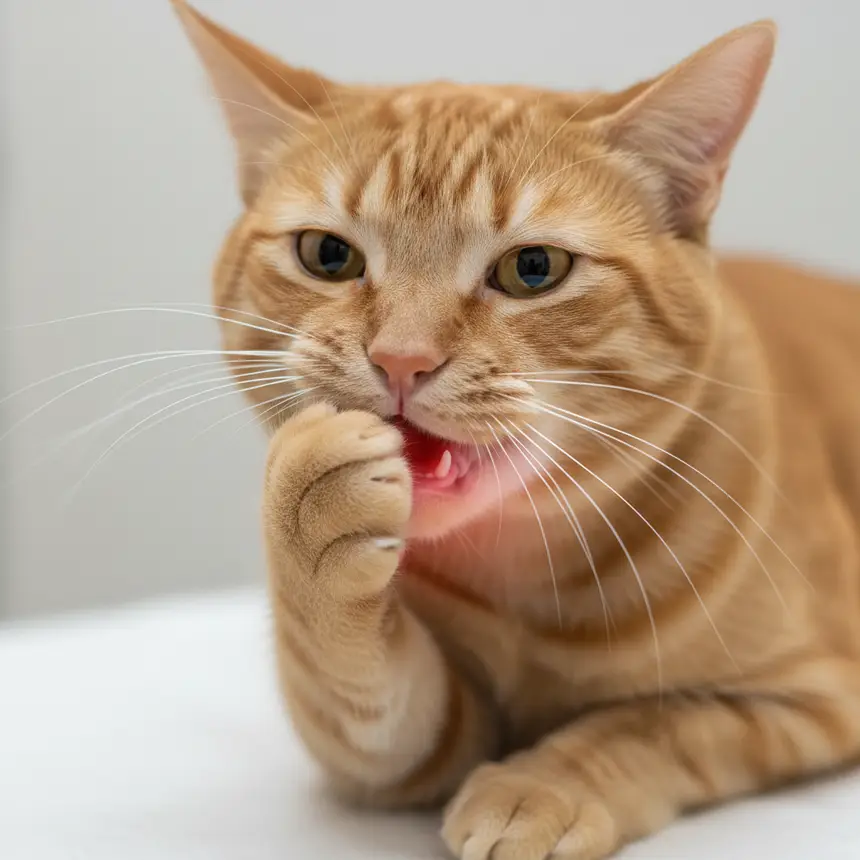
One of the primary reasons many cat owners become discouraged when trying to brush their cat's teeth is the feline's sensitive nature and strong aversion to oral manipulation. Their instinctive wariness of anything entering their mouth makes initial attempts difficult, often leading to frustration for pet parents. When oral care is neglected for extended periods, several issues can arise. Most commonly, food particles and bacteria accumulate on tooth surfaces, hardening into tartar. This can lead to gum inflammation, discomfort, and even pain. For older cats, severe oral diseases can impact their systemic health, and the risks associated with anesthesia for professional dental cleanings become a greater concern. Therefore, adopting the right approach from the outset is vital for maintaining good oral health.
※ This post contains affiliate links. I may earn a commission at no extra cost to you.

Step-by-Step Approach to Successful Cat Oral Hygiene
Approaching your cat's oral care patiently and systematically is key to success.
- Familiarization: Begin by letting your cat get used to the toothbrush. Allow them to sniff it, or gently stroke their face and chin with the soft bristles without any toothpaste. The goal is to create a positive association with the toothbrush, perhaps even making it seem like a short playtime.
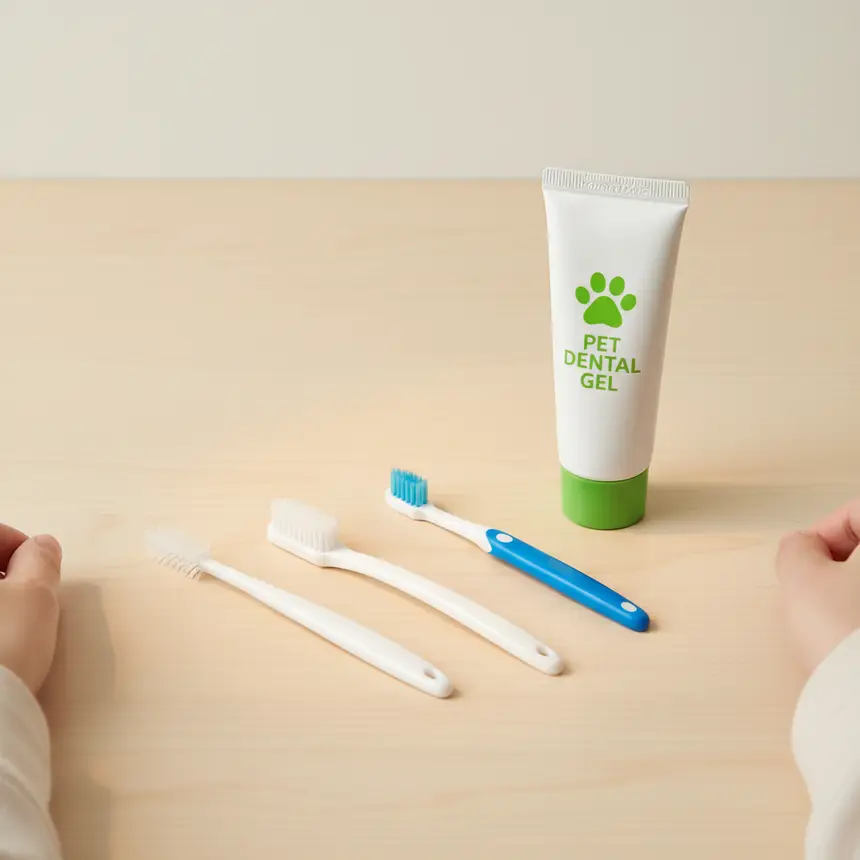
- Choosing the Right Tools: Select toothpaste specifically formulated for cats; it should be safe to swallow and have a non-irritating flavor and scent. A slightly alkaline toothpaste, pH-balanced for a cat's oral environment, can be beneficial. For toothbrushes, look for small heads and ultra-soft bristles that fit comfortably in your cat's mouth. Consider using a finger brush for easier access to front teeth and canines, while a regular toothbrush might be better for molars. Combining different types can be very effective.
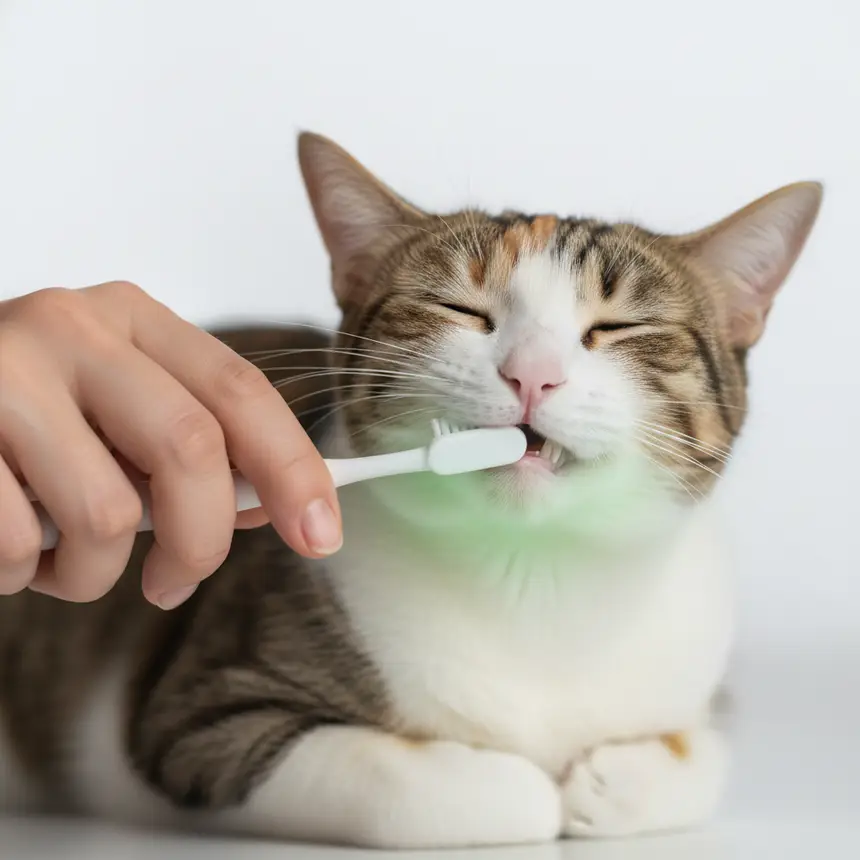
- Short, Consistent Brushing: Start with very brief sessions, just 10-20 seconds, focusing on the easiest-to-reach teeth like the front incisors or canines. The priority should be daily consistency rather than perfect cleaning in the beginning. Pay attention to the gum line where teeth meet the gums. Always reward your cat with praise and a treat after each session to reinforce a positive experience.
Practical Tips for Building a Successful Cat Brushing Habit
To maintain a consistent cat brushing routine, incorporating a few practical tips can make a significant difference.
- Establish a Schedule: Choose a time when your cat is most relaxed and has lower energy (e.g., after waking up from a nap or after a meal) and try to brush at the same time daily. This helps establish a routine.
- Associate with Positivity: Offer your cat their favorite toy or a special treat before or after brushing to help them associate the brushing time with something enjoyable. Avoid any forceful approaches, as this can create negative associations; always be gentle and calm.
- Create a Calm Environment: Conduct brushing sessions in a quiet, stable place to prevent your cat from feeling anxious. Using a non-slip mat can also help keep them secure.
- Gradual Expansion: Patience is key. Start by building familiarity with the toothbrush, then introduce the taste of the toothpaste, and only then begin very short brushing sessions, gradually increasing the duration. Even one minute a day consistently can lead to significant long-term improvements.

The Power of Consistency: Towards Your Cat's Healthy Smile
Brushing your cat's teeth is more than just cleaning; it's a vital part of their overall health and can positively influence their lifespan. Even if dental care has been neglected for a long time or previous attempts have failed, don't conclude that it's too late. Starting today, with just one minute of consistent effort daily, you can witness remarkable improvements. In the beginning, be content with small successes and observe your cat's reactions without rushing. Your consistent love and effort will safeguard your feline companion's healthy smile. Take the first step today towards a happier, healthier future for your cat.
Frequently Asked Questions
Q. Can older cats start brushing their teeth?
A. Yes, it's never too late, even for older cats. In fact, senior cats can be more prone to oral diseases, so it's a good idea to start gently with a soft toothbrush and cat-specific toothpaste. Consistency is key.
Q. Is it safe if my cat swallows the toothpaste?
A. Cat-specific toothpastes are formulated to be safe for ingestion, so you don't need to worry. Never use human toothpaste, as it contains ingredients that can be harmful to cats.
Q. What kind of toothbrush is best for cats?
A. Look for toothbrushes with small heads that fit your cat's mouth and feature soft, ultra-fine bristles. Silicone finger brushes are convenient for front teeth, while regular toothbrushes can be used for molars. Combining types can be effective.
Q. Is daily brushing really that important?
A. Yes, daily brushing is ideal. Food particles and bacteria quickly form plaque, which rapidly turns into tartar. Daily removal is crucial for maintaining good oral health and preventing dental issues.
Q. What should I do if my cat strongly resists brushing?
A. Avoid force and take a slow, gradual approach to familiarization. Let them sniff the toothbrush and toothpaste, and associate the experience with praise and treats. Start with very short sessions and gradually increase the duration, exercising patience throughout the process.