Confused about dog vaccination schedules and types? Get clear answers. From puppies to adult dogs, learn tailored immune management strategies to protect your furry friend's health.

Welcoming a New Puppy: What's the First Step for Their Health?
Bringing a new puppy into your home is a joyous and exciting occasion. Yet, with this delight comes a significant responsibility for pet parents: managing your dog's preventive vaccinations. You might be wondering when to start the vaccination series, which types are essential, and how to continue this care throughout their adult life. These are common concerns for any dedicated pet owner. The very first step towards ensuring your furry companion grows up healthy and enjoys a vibrant life is to initiate appropriate immune management at the right time. Let's explore these concerns together and delve into the crucial vaccination timings and smart management practices for your dog. It's highly recommended to consult with your veterinarian as soon as you adopt a puppy to create a tailored vaccination plan.
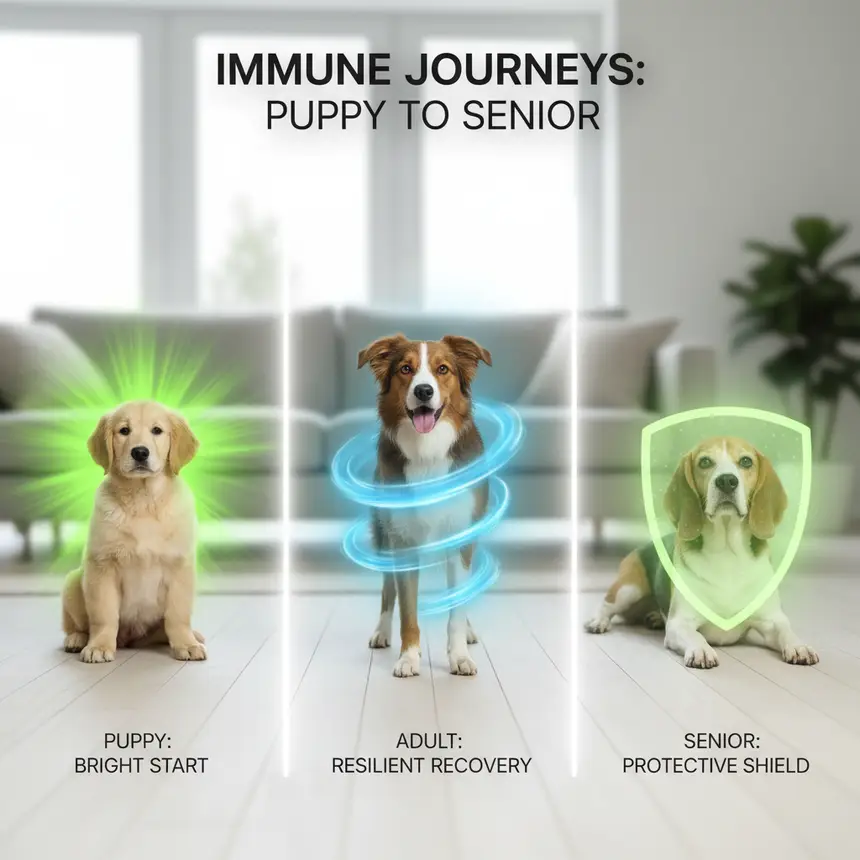
Understanding Different Immune Systems and the Role of Vaccinations by Age
The approach to your dog's vaccinations varies significantly depending on their age and immune system development.
- Puppies: Vaccinations typically begin around 6-8 weeks of age, as the immunity received from their mother starts to wane. Since their immune systems are still developing and they are vulnerable to viral diseases, a series of vaccinations, usually given at 2-week intervals (3-5 doses), is crucial for establishing robust immunity. This initial series acts as a vital line of defense against infectious diseases.
- Adult Dogs: While annual vaccinations were once standard, current recommendations often involve assessing the dog's existing immune status before administering boosters. This approach helps prevent over-vaccination while ensuring adequate protection.
- Senior Dogs: For dogs entering their senior years (around 7-8 years old), their immune response might be less robust, and pre-existing health conditions need to be considered. A detailed consultation with your veterinarian is essential to create a personalized vaccination plan that takes their overall health into account. Understanding that vaccination goals differ across each life stage is fundamental to your dog's well-being.
※ This post contains affiliate links. I may earn a commission at no extra cost to you.

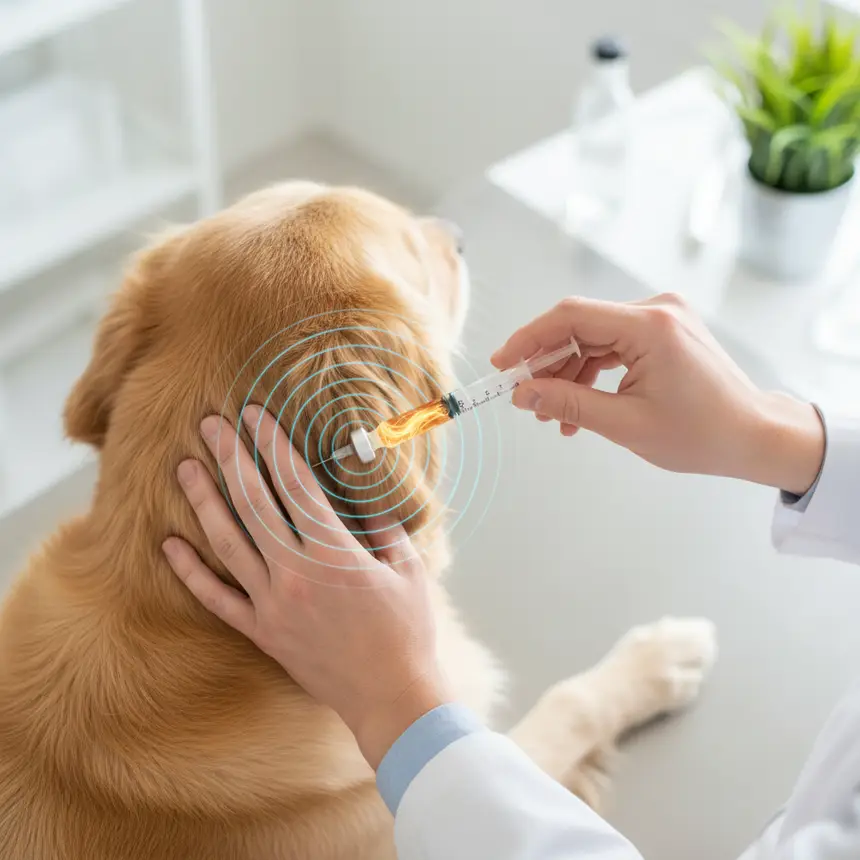
Antibody Titer Testing: A Tailored Tool for Your Pet's Care
For adult dogs, antibody titer testing is an incredibly valuable tool in managing their immunity. This test involves taking a blood sample to measure the levels of protective antibodies against specific diseases, indicating if your dog has sufficient immunity. Typically, about 1-3cc of blood is collected, and results are usually available from specialized laboratories within 3-5 days. This testing helps pet owners avoid unnecessary vaccinations, allowing for targeted boosters only for the diseases where immunity is found to be low. For instance, if a titer test before a scheduled booster shows sufficient antibody levels, further vaccination might not be needed, and a 'wait and see' approach can be taken. If certain antibody levels are low, a booster for only those specific diseases can be considered. This is particularly beneficial for senior dogs, as titer testing provides crucial information for minimizing the burden on their immune system while still ensuring necessary protection. For adult dog owners, discussing the option of antibody titer testing with your veterinarian before their annual vaccination schedule is highly recommended.
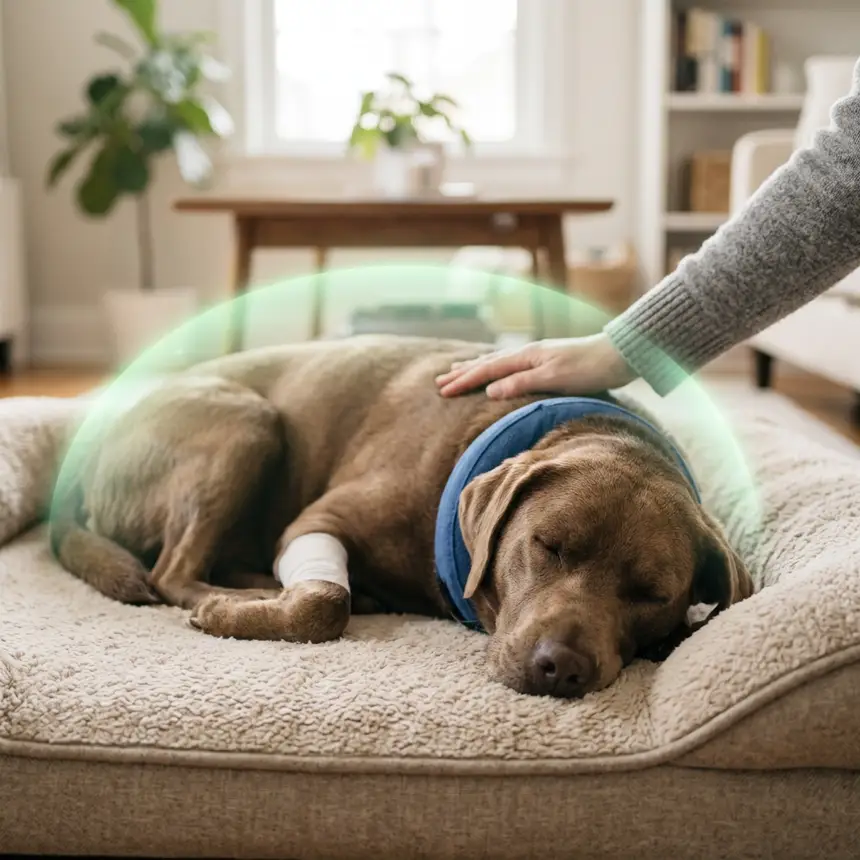
Post-Vaccination Care and the Pet Owner's Vigilance
After your dog receives vaccinations, your careful observation and management are paramount.
- Precautions for 2-3 days post-vaccination: During this period, your dog's immune system is actively responding. It's best to avoid bathing, strenuous exercise, and long walks. Ensure they have a calm and stable environment.
- Observation at the vet clinic: Instead of leaving immediately, it’s a good practice to stay at the veterinary clinic for about 20-30 minutes after the vaccination. Observe your dog's breathing, movement, and demeanor to check for any immediate adverse reactions, such as allergic responses.
- Close monitoring at home: Once you return home, continue to monitor your dog's condition vigilantly. If you notice any unusual changes like vomiting, diarrhea, facial swelling, or significant lethargy, contact your veterinarian without delay. If possible, schedule vaccinations during daylight hours to allow ample time to observe your pet upon returning home. Vaccinations are not just a routine obligation; they are a critical part of your dog's lifelong health management. From puppyhood to senior years, a smart approach combined with continuous communication with your veterinarian will help you find the most suitable health management plan for your beloved companion. After vaccination, carefully monitor your dog's condition for at least 2-3 days, and contact your vet immediately if any unusual signs appear.
Frequently Asked Questions
Q. When should puppies start their vaccination series?
A. Puppies generally begin their first vaccinations around 6-8 weeks of age, timed with the decrease of maternal antibodies they received from their mother.
Q. Do adult dogs need the exact same vaccinations every year?
A. While annual boosters were once common, current recommendations often suggest assessing existing immunity through antibody titer tests and only vaccinating selectively when needed.
Q. How can antibody titer tests benefit my dog?
A. Titer tests are useful before annual adult dog boosters or when you want to confirm immunity levels against specific diseases. They help reduce unnecessary vaccinations and ensure only needed ones are given.
Q. My dog is acting differently after vaccination. What should I do?
A. If your dog exhibits unusual symptoms like vomiting, diarrhea, facial swelling, or severe lethargy, contact your veterinarian immediately for advice.
Q. When is it safe to bathe or walk my dog after vaccinations?
A. It's best to avoid bathing or strenuous walks for at least 2-3 days after vaccination, as this period is when the immune response is developing. Keep your dog calm and rested.