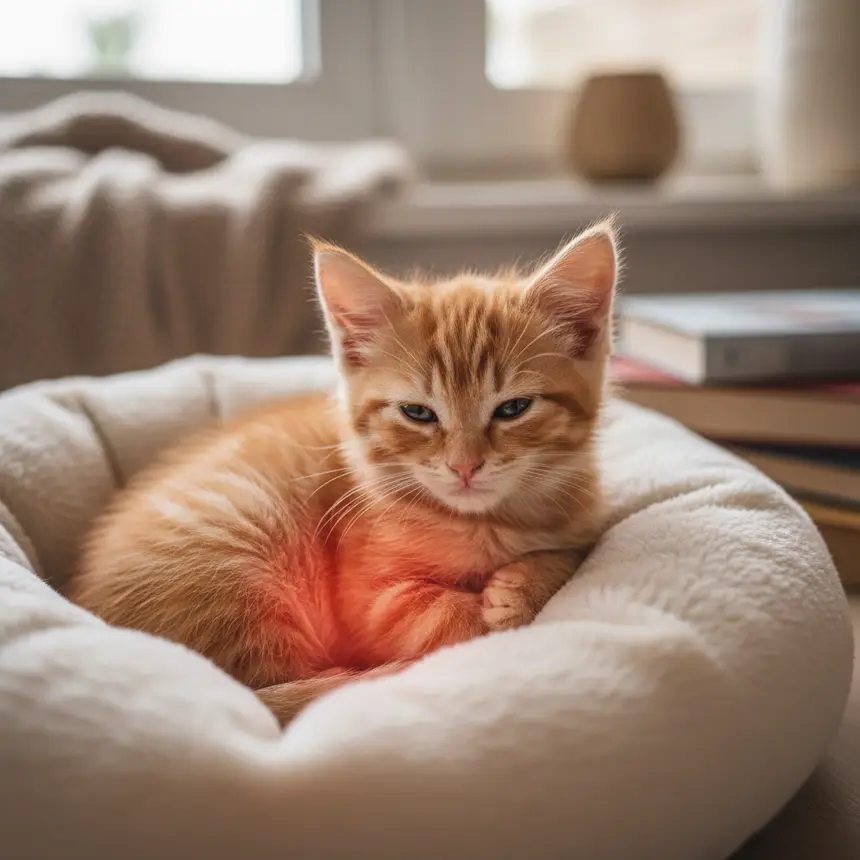
Healthy elimination habits for kittens begin with attentive care from their guardians. Learn safe elimination assistance methods and effective litter training tips to help your kitten grow healthily.

Essential Elimination Care for Your Kitten's Healthy Growth
Newborn kittens lack the ability to urinate or defecate independently. Typically, for the first three to four weeks of life, the mother cat stimulates her kittens' digestive systems by licking their abdominal and perineal areas, aiding in their elimination process. However, if a kitten is separated from its mother prematurely, it becomes the caregiver's crucial responsibility to fulfill this role. Without proper elimination assistance, kittens can suffer from constipation or abdominal distension, leading to significant discomfort and potentially impacting their overall health. Therefore, facilitating regular and comfortable waste elimination is a fundamental aspect of early kitten care. Providing appropriate support during this critical period lays the groundwork for your kitten's comfort and robust development.
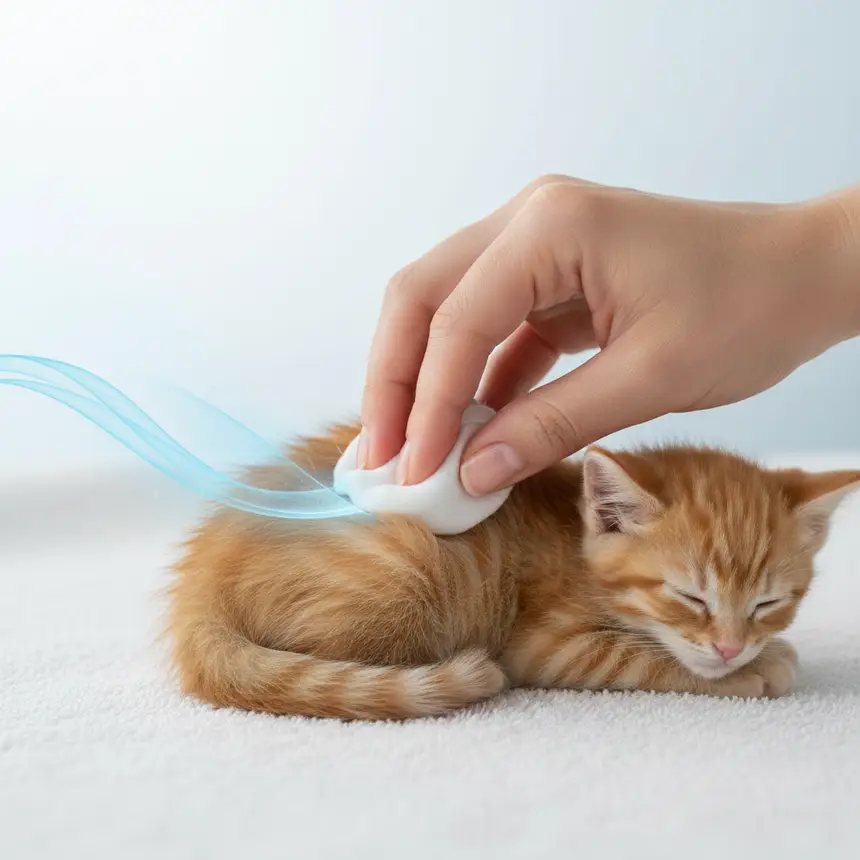
Safe and Effective Methods for Kitten Elimination Assistance and Training
Kitten elimination assistance is generally required until around three weeks of age, though individual development rates can cause this timeline to vary slightly. The ideal time to provide this aid is typically 5 to 10 minutes after each feeding. Begin by preparing a soft cotton ball or gauze pad moistened with lukewarm water. For urination, gently stroke or tap the kitten's lower abdomen towards the anal area with the damp cotton. Urination usually occurs quite readily, and a pale yellow color is normal. Bowel movements may take a bit longer. Use the same gentle stimulation around the anal region, exercising patience. A healthy stool should be soft and moist, neither overly hard nor watery. If you observe excessively hard stools or persistent diarrhea, it's vital to review feeding practices, assess nutritional status, and consult a veterinary professional. This delicate guidance is key to ensuring your kitten can comfortably relieve itself.
※ This post contains affiliate links. I may earn a commission at no extra cost to you.

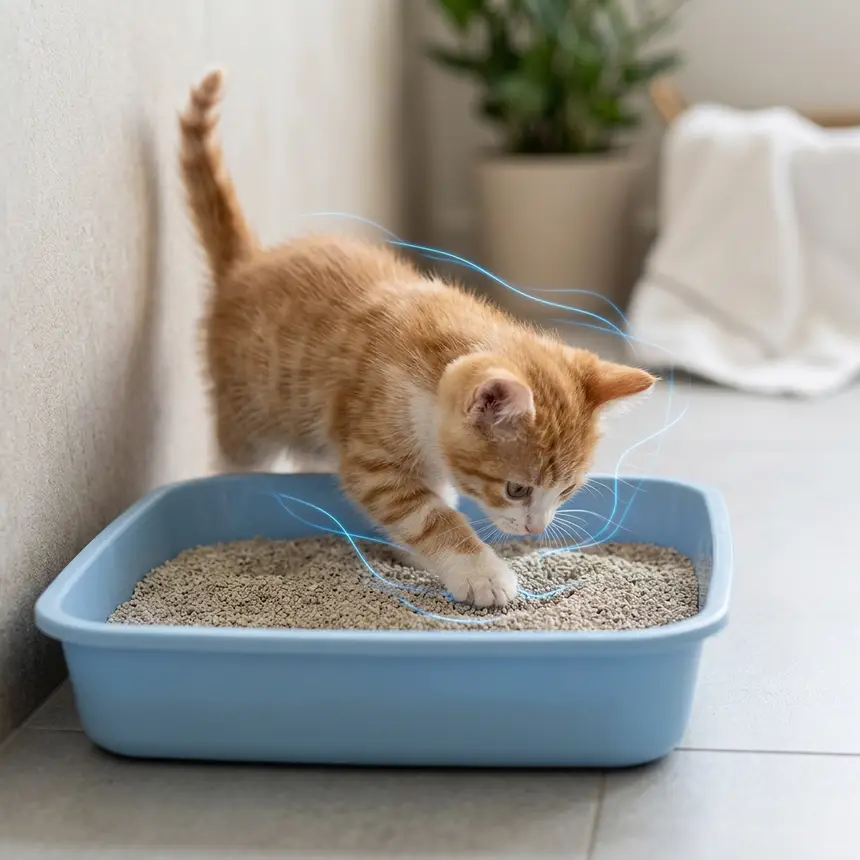
Practical Guide for Successful Kitten Litter Training
Around four weeks of age, kittens are generally ready to begin learning to use a litter box. At this stage, it's best not to abruptly stop elimination assistance but rather to gradually transition them to independent litter box use. After feeding and providing elimination assistance, gently place the kitten into the litter box. Through the sensation and scent of the litter, the kitten will naturally begin to associate the box with elimination. When your kitten successfully uses the litter box, quiet and gentle praise helps reinforce this positive behavior. Maintaining a consistently clean litter box is also crucial, as kittens are fastidious and are more likely to use a fresh, clean space, which helps minimize accidents. Litter box placement is equally important. Choose a quiet, secure location that is easily accessible but not too close to their eating or sleeping areas. For litter type, starting with unscented, fine-grained litter is often best. Kittens have sensitive paw pads, so coarse or large-grained litter can be off-putting. Experimenting with a few different types can help you discover what your kitten prefers.
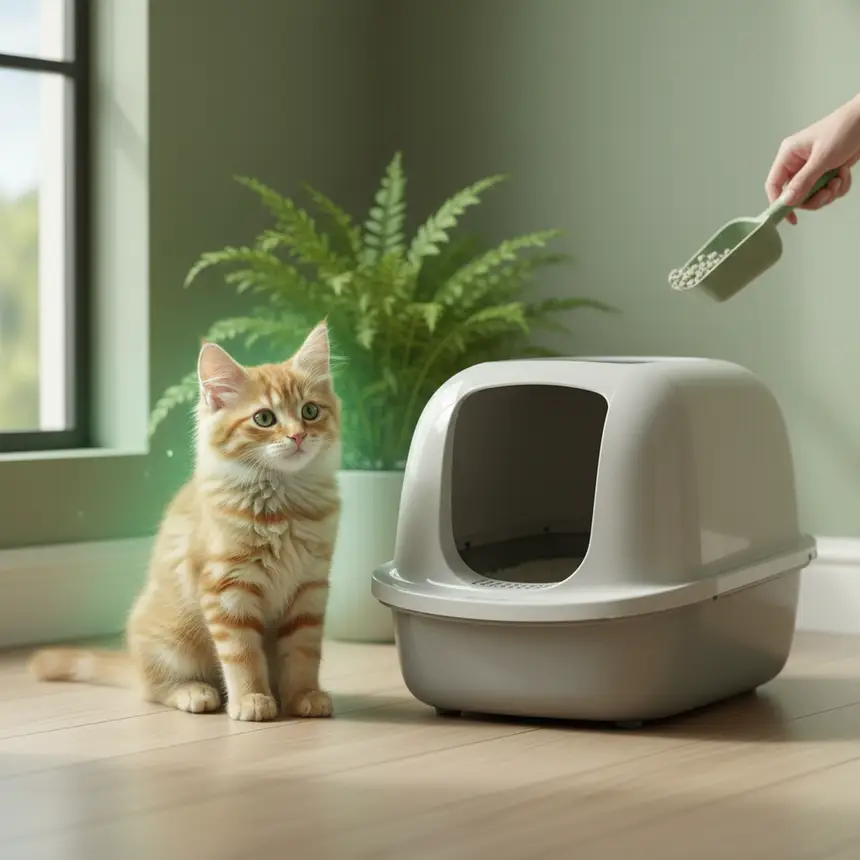
Important Considerations and Tips for Successful Kitten Elimination Management
When assisting your kitten with elimination, several precautions are essential. Firstly, avoid applying excessive force or rubbing the anal area aggressively if elimination doesn't happen immediately, as this can cause injury; always maintain gentle stimulation. Secondly, cold water can hinder elimination, so always use lukewarm water. Thirdly, directly pressing on the kitten's abdomen should be avoided as it can harm internal organs. If, despite your efforts, your kitten shows signs of constipation or experiences persistent diarrhea, it's imperative to consult a pet health professional immediately to determine the cause and receive appropriate guidance. With time, kittens will naturally learn to eliminate on their own. Your patient assistance and consistent observation play a critical role in helping young cats develop healthy, independent toileting habits. For caregivers raising orphaned kittens, these elimination management techniques are vital guidelines for ensuring a happy and healthy upbringing.
Frequently Asked Questions
Q. How long do kittens typically need elimination assistance?
A. Generally, assistance is needed until around three weeks of age. However, some kittens may become independent earlier or later. You can gradually reduce assistance as you introduce litter box training.
Q. What are the most important precautions when assisting with kitten elimination?
A. Never over-stimulate the anal area or press hard on the abdomen. Always use a soft cloth dampened with lukewarm water and stroke gently. Patience is key, even if elimination doesn't happen immediately.
Q. What should I do if my kitten is constipated or has diarrhea despite assistance?
A. If your kitten shows signs of constipation or persistent diarrhea, consult a veterinary professional immediately. It's crucial to assess formula concentration, feeding volume, and overall health to determine the best course of action.
Q. What type of litter is best for young kittens?
A. Unscented, fine-grained litter is usually best initially. Avoid coarse or large-grained litter as kittens have sensitive paw pads. It's often helpful to try a few different types to find what your kitten is most comfortable with.
Q. How can I minimize accidents during litter training?
A. Keep the litter box consistently clean and place it in a quiet, secure location that's easily accessible but not too far from your kitten's main living area. Provide quiet, positive praise when your kitten successfully uses the litter box.