A comprehensive guide for cat owners interested in raw feeding. Discover the benefits of raw beef for cats, essential precautions, and how to safely implement a raw diet for your feline companion.

Is Your Cat's Diet Truly Meeting Their Wild Instincts? The Importance of Nutritional Exploration
Many pet parents are increasingly exploring diverse dietary options to enhance their cats' vitality and overall well-being. As obligate carnivores, cats possess an innate inclination to consume whole prey in the wild. This natural predisposition has brought attention to raw feeding for cats, which involves providing uncooked, minimally processed ingredients. Among the popular choices, beef stands out as a favored raw food component for felines, known for its rich protein content and high palatability. Subtle changes in a cat's health, such as digestive upset, dull coat, or reduced energy levels, can sometimes be linked to their diet. Understanding and selecting a diet that aligns with your cat's biological design is a fundamental step toward fostering a healthy and thriving companion.
Beef Raw Diets for Cats: Understanding Core Nutrition and Careful Management
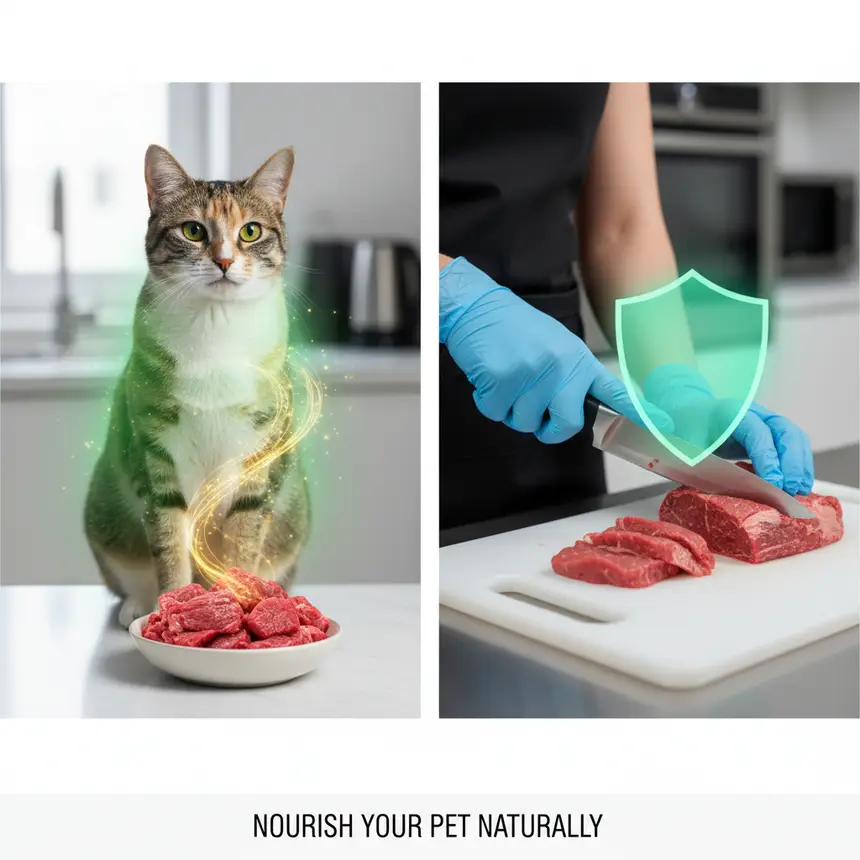
Incorporating raw beef into your cat's diet can offer several potential benefits. Beef is a highly digestible, protein-rich, low-carbohydrate food source, packed with essential amino acids vital for muscle maintenance and immune system support. It can also play a role in healthy weight management. Since raw beef isn't subjected to heat, its proteins and enzymes remain intact, potentially leading to improved digestion, better nutrient absorption, and even a reduction in stool volume. Furthermore, the natural aroma and texture of beef are often highly appealing to most cats, and it can contribute to a healthy skin and coat.
However, raw feeding necessitates strict precautions. Uncooked meat carries risks of bacterial contamination, such as Salmonella and Listeria, and parasites like Toxoplasma. It is crucial to source only human-grade quality, fresh or frozen meat from reputable suppliers. Feeding plain muscle meat alone can lead to significant nutritional deficiencies in essential nutrients like calcium, taurine, and vitamin D. Therefore, a balanced recipe incorporating bone, organ meats, and omega-3 sources, or the use of appropriate supplements, is essential. Additionally, the high protein content of a raw diet might strain the kidneys or liver of cats with pre-existing conditions; veterinary consultation is mandatory for such cases.
The transition to a raw diet should always be gradual. Begin by mixing a small amount of raw food with their current diet, slowly increasing the raw portion by about 10% each day over a period of approximately 10 days to allow their digestive system to adjust. Maintaining freshness is paramount: freeze raw meat immediately after purchase, portion it out, and thaw only the amount needed in the refrigerator just before feeding.
However, raw feeding necessitates strict precautions. Uncooked meat carries risks of bacterial contamination, such as Salmonella and Listeria, and parasites like Toxoplasma. It is crucial to source only human-grade quality, fresh or frozen meat from reputable suppliers. Feeding plain muscle meat alone can lead to significant nutritional deficiencies in essential nutrients like calcium, taurine, and vitamin D. Therefore, a balanced recipe incorporating bone, organ meats, and omega-3 sources, or the use of appropriate supplements, is essential. Additionally, the high protein content of a raw diet might strain the kidneys or liver of cats with pre-existing conditions; veterinary consultation is mandatory for such cases.
The transition to a raw diet should always be gradual. Begin by mixing a small amount of raw food with their current diet, slowly increasing the raw portion by about 10% each day over a period of approximately 10 days to allow their digestive system to adjust. Maintaining freshness is paramount: freeze raw meat immediately after purchase, portion it out, and thaw only the amount needed in the refrigerator just before feeding.
※ This post contains affiliate links. I may earn a commission at no extra cost to you.

Essential Checklist for Safe and Healthy Feline Raw Feeding
To ensure your cat thrives on a raw diet safely and effectively, adherence to several key principles is vital:
1. Prioritize Ingredient Freshness: Always select human-grade, fresh, and hygienically handled meat. Freeze immediately upon purchase, portioning as needed, and thaw in the refrigerator just before mealtime.
2. Ensure Nutritional Balance: Avoid feeding muscle meat exclusively. Instead, follow balanced raw recipes that include bone, organ meats, and essential fatty acids, or use appropriate commercial raw food supplements. Utilizing pre-mixed raw food blends can also be a convenient option.
3. Gradual Transition: To prevent digestive upset, transition your cat to a raw diet slowly, over at least 10 days, by gradually increasing the proportion of raw food mixed with their old diet.
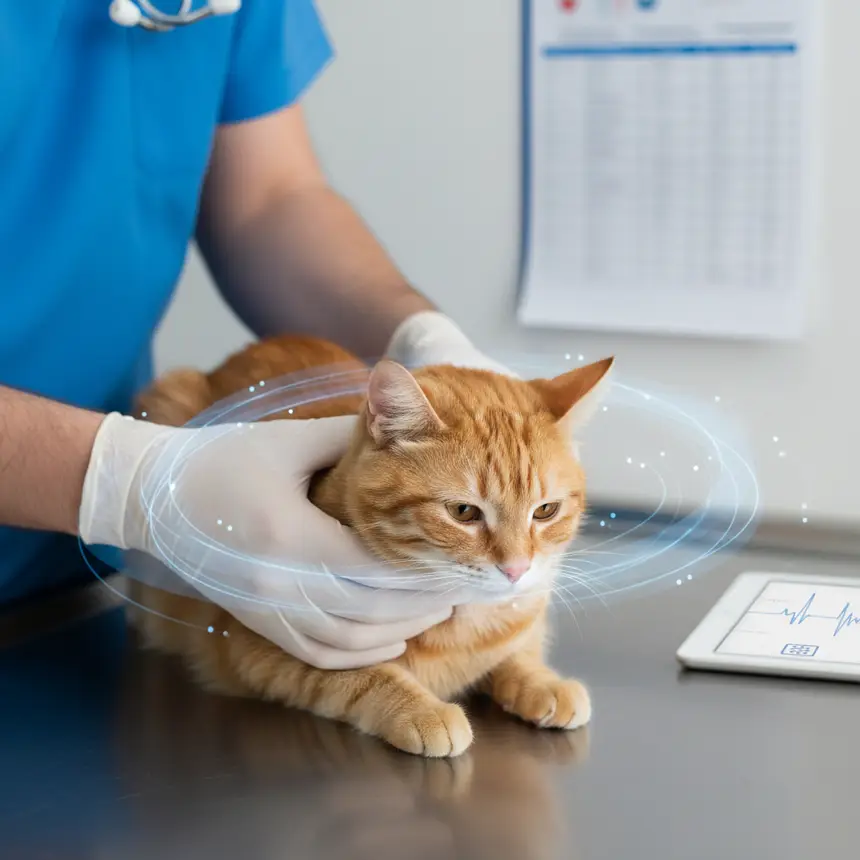
4. Regular Veterinary Check-ups: It is crucial for cats on a raw diet to have regular veterinary examinations, including blood and urine tests every 3 to 6 months. These check-ups help monitor nutritional status, kidney and liver function, and detect any potential imbalances or health changes early on.
A raw diet can be a highly beneficial dietary choice for your feline companion, but it demands proper knowledge and consistent commitment. Approach raw feeding thoughtfully, tailoring it to your cat's unique health status and individual needs.
1. Prioritize Ingredient Freshness: Always select human-grade, fresh, and hygienically handled meat. Freeze immediately upon purchase, portioning as needed, and thaw in the refrigerator just before mealtime.
2. Ensure Nutritional Balance: Avoid feeding muscle meat exclusively. Instead, follow balanced raw recipes that include bone, organ meats, and essential fatty acids, or use appropriate commercial raw food supplements. Utilizing pre-mixed raw food blends can also be a convenient option.
3. Gradual Transition: To prevent digestive upset, transition your cat to a raw diet slowly, over at least 10 days, by gradually increasing the proportion of raw food mixed with their old diet.
4. Regular Veterinary Check-ups: It is crucial for cats on a raw diet to have regular veterinary examinations, including blood and urine tests every 3 to 6 months. These check-ups help monitor nutritional status, kidney and liver function, and detect any potential imbalances or health changes early on.
A raw diet can be a highly beneficial dietary choice for your feline companion, but it demands proper knowledge and consistent commitment. Approach raw feeding thoughtfully, tailoring it to your cat's unique health status and individual needs.
Frequently Asked Questions
Q. Is a raw beef diet safe for all cats?
A. For most healthy cats, with proper preparation and hygiene, it can be safe. However, for cats with specific health conditions like kidney or liver disease, a high-protein diet might be a burden. Always consult with your veterinarian before starting a raw diet for such cats.
Q. Can raw beef alone provide complete nutrition for my cat?
A. Feeding only raw beef muscle meat is insufficient to meet all of a cat's nutritional requirements. To prevent deficiencies in essential nutrients like calcium, taurine, and vitamins, you must follow a balanced raw diet recipe that includes bone, organ meats, omega-3s, or supplement their diet with cat-specific nutritional products.
Q. What are the key considerations when transitioning to a raw diet?
A. A rapid switch to a raw diet can cause digestive upset. It's crucial to transition slowly over approximately 10 days, gradually adjusting the ratio of their old food to the new raw diet. Start with a very small amount of raw food and observe your cat's reaction.
Q. How important is hygiene when feeding raw food to cats?
A. Hygiene is paramount due to the risk of bacterial contamination in raw meat. Portion and freeze raw meat immediately after purchase, thawing only the necessary amount in the refrigerator just before feeding. Discard any uneaten food promptly, and thoroughly clean and sanitize food bowls and surrounding areas. Utensils used for preparation should also be hygienically maintained.
Q. Do cats on a raw diet still need regular veterinary check-ups?
A. Yes, absolutely. Even on a raw diet, regular veterinary check-ups, including blood and urine tests every 3-6 months, are essential to monitor nutritional status and the function of major organs. This is crucial for early detection and management of any potential nutritional imbalances or health issues.