Discover the early signs, prevention, and proper oral care methods for feline periodontal disease. Essential information for your cat's healthy smile.

Silent Suffering: Recognizing Signs of Feline Oral Health Issues
Our feline companions often hide their discomfort, especially when it comes to oral pain. Dental problems can be quite painful yet remain unseen, requiring keen observation from pet parents. Feline periodontal disease can be challenging to detect in its early stages, but it might manifest as reduced appetite, reluctance to eat certain foods, or slower eating habits. If you notice unusually bad breath, excessive drooling, red and swollen gums, or bleeding, it's likely that dental disease has already progressed significantly. These symptoms are more than just minor inconveniences; they can impact your cat's overall health. Therefore, paying close attention to even subtle changes is crucial.
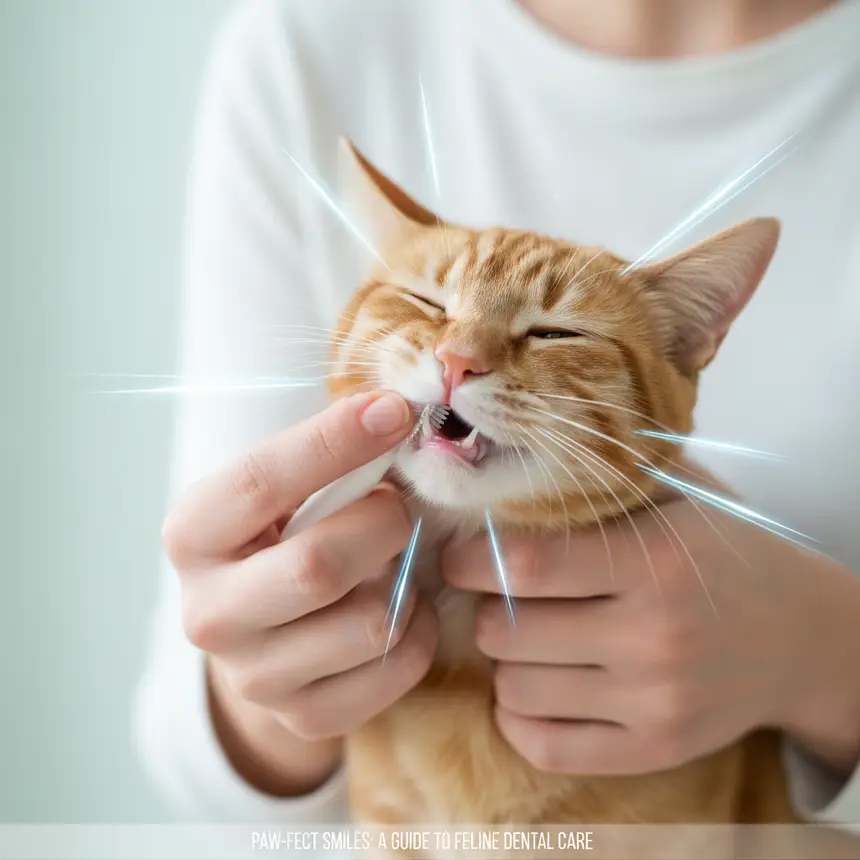
Tailored Care for Feline Oral Health: Understanding Causes and Solutions
Oral issues in cats primarily begin with the accumulation of plaque and tartar on tooth surfaces. When these build up along the gum line, they cause inflammation, which can escalate into feline periodontal disease. Preventing and managing this requires an approach tailored to the unique physiological characteristics of cats. Many general pet oral care products contain ingredients or pH levels unsuitable for felines. A cat's oral environment is slightly alkaline, so maintaining this pH balance is vital. Furthermore, since cats inevitably swallow toothpaste, it's essential to choose products made with safe, digestible ingredients.
Here are practical steps you can take at home for oral care:
Here are practical steps you can take at home for oral care:
- Select Appropriate Oral Care Products: Cat-specific toothpastes are formulated to match the feline oral pH balance and contain ingredients safe for ingestion. This helps maintain a healthy microbial environment in their mouth.
- Introduce Brushing Gradually: Instead of starting with a toothbrush, begin by gently massaging around their mouth with a small amount of toothpaste on your finger, allowing them to get used to the taste and sensation. Gradually transition to a silicone finger brush, then to a soft, cat-specific toothbrush. Start with very short sessions and gradually extend the duration to avoid overwhelming your cat.
- Create Positive Experiences: After brushing, reward your cat with treats or praise to help them associate dental hygiene with positive feelings. Consistency is key, so aim for short, regular sessions at the same time each day for best results.
※ This post contains affiliate links. I may earn a commission at no extra cost to you.


Sustained Effort for Healthy Gums: Action Summary and Precautions
Preventing feline periodontal disease and maintaining healthy oral status is not a short-term task; it requires consistent effort. Investing even a little time daily in your cat's oral care can make a significant difference in their long-term health.
Action Summary:
1. Use toothpaste specifically formulated for your cat's oral environment.
2. Start with finger massages and gradually train your cat to accept a toothbrush.
3. Establish a routine by brushing consistently, even for short periods, at the same time each day.
4. Always provide praise or small rewards after brushing to create a positive experience.
Precautions:
Action Summary:
1. Use toothpaste specifically formulated for your cat's oral environment.
2. Start with finger massages and gradually train your cat to accept a toothbrush.
3. Establish a routine by brushing consistently, even for short periods, at the same time each day.
4. Always provide praise or small rewards after brushing to create a positive experience.
Precautions:
- Regular Veterinary Check-ups: While home oral care is crucial, it cannot replace regular veterinary examinations and professional dental cleanings when necessary. If you suspect any oral issues or find home care challenging, always consult your veterinarian.
- Avoid Forceful Brushing: If your cat shows extreme aversion or stress, do not force brushing. This can worsen their resistance to future attempts. Patience and a slow approach are vital.
- Seek Immediate Vet Care for Worsening Symptoms: If you observe severe gum bleeding, your cat is in too much pain to eat, or any other symptoms rapidly worsen, visit your veterinarian immediately for appropriate intervention.
Frequently Asked Questions
Q. What are the early signs of feline periodontal disease?
A. Early signs may not be obvious, but subtle changes like worse-than-usual bad breath, difficulty eating kibble, or slightly reddened gums can indicate the onset of the disease.
Q. What's the difference between cat-specific toothpaste and general pet toothpaste?
A. Cat-specific toothpaste is formulated to maintain the slightly alkaline pH balance of a cat's mouth and contains ingredients safe for ingestion. General pet toothpastes often do not sufficiently consider these unique feline characteristics.
Q. How should I manage brushing if my cat strongly resists it?
A. Instead of forcing a toothbrush from the start, try letting your cat taste a small amount of toothpaste from your finger or gently massaging around their lips. The key is to create short, positive experiences repeatedly to gradually acclimate them to dental tools.
Q. Is at-home brushing enough for my cat's dental health?
A. While daily brushing at home is very important for maintaining oral health, it's not always sufficient. Tartar is difficult to remove at home, so the ideal approach involves combining regular at-home care with routine veterinary check-ups and professional dental procedures when needed.