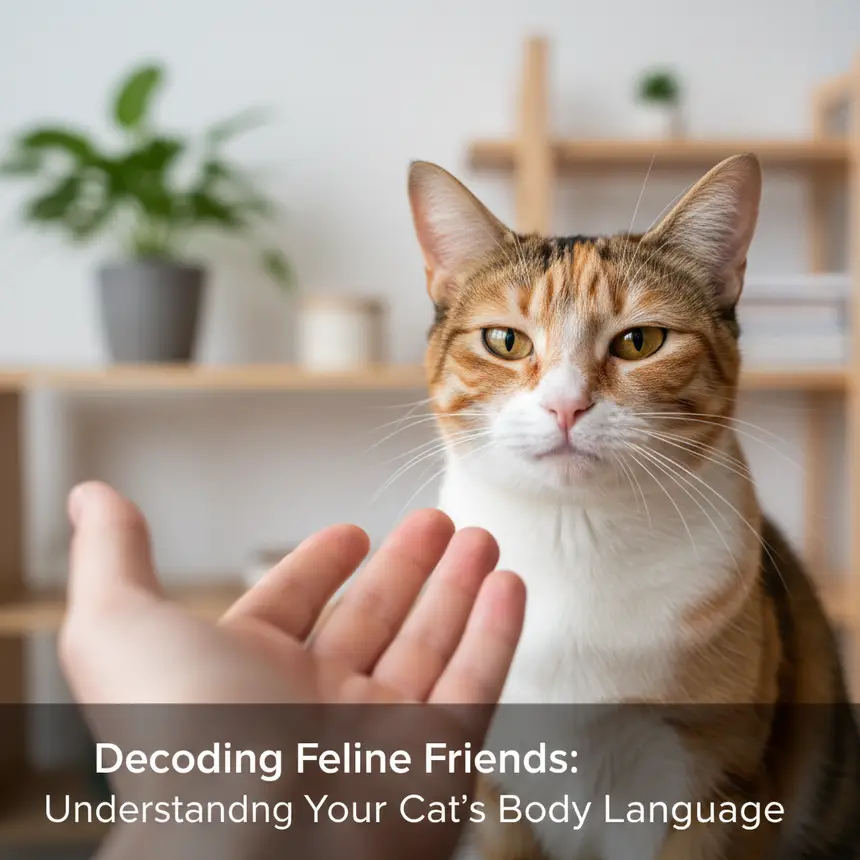
The kitten socialization period is crucial for a cat's lifelong happiness. Help your kitten get used to new people and sounds, and positively experience various foods and body care methods to lay the foundation for a healthy and stable life together.

Why is Kitten Socialization So Important?
Why is Kitten Socialization So Important?
Bringing a new kitten home is an exciting time, but for the kitten, it's their first encounter with an unfamiliar world. The period up to about three months of age is especially critical; it's known as the 'socialization period' and profoundly shapes your cat's personality and behavior for life. How this golden age is managed determines whether your cat grows into an anxious, timid adult or a curious, friendly companion. Many pet parents often express concerns like, "My cat is so shy with strangers," "They get startled by certain noises," or "Grooming is a struggle." These issues often stem from insufficient exposure to diverse experiences during their crucial socialization window. Socialization is more than just training; it's about building a foundation for your cat to perceive the world positively and live harmoniously without excessive stress. Effectively utilizing this short but vital period is the first step towards a happy co-existence for both your cat and you.

Kitten Socialization: Practical Strategies and Specific Methods
Kitten Socialization: Practical Strategies and Specific Methods
Successful kitten socialization requires consistent and thoughtful effort from pet parents. Here are specific ways to help your cat adapt positively to new environments and stimuli.### Exposing to Diverse Environmental Stimuli
It's crucial to help your cat overcome fear of external environments. Arrange regular interactions with people other than immediate family members to naturally reduce their wariness of strangers. When guests visit, allow your kitten to observe from a distance, and once comfortable, encourage positive interactions with treats and gentle petting. Additionally, consistently introduce various household sounds from an early age, such as vacuum cleaners, doorbells, and washing machines. When these sounds occur, pair them with treats and praise to create a positive association. Inform your kitten before running the vacuum and expose them to it at regular times daily; they will gradually grow accustomed to it.### Fostering Balanced Eating Habits
Healthy eating habits are vital for your cat's physical and mental well-being. From around two months of age, offer small amounts of various types of food—both dry and wet, in different flavors and textures—to identify their preferences and reduce aversion to new foods. Exposing them to over 30 different kinds can help prevent pickiness and detect potential allergies early. We recommend using sample foods as treats or mixing small quantities with their regular food to gradually introduce novelty.### Establishing Essential Hygiene and Body Care Routines
Regular hygiene is directly linked to your cat's health, making early habituation essential. For teeth brushing, start around two months of age by gently touching around their mouth with a finger dabbed in toothpaste, then gradually transition to using a toothbrush. Nail trimming is best attempted when your cat is relaxed and drowsy, for instance, right after waking up or after finishing grooming post-meal. Gently handle their paws, trim just one or two nails, and immediately offer praise and rewards to create a positive memory. Always leave the carrier open with a favorite blanket inside, encouraging them to view it as a cozy resting spot to minimize travel stress. Introducing collars or harnesses should also begin with short periods, gradually increasing duration to ensure acceptance when needed. Regularly touching their paw pads and around their ears also helps reduce resistance.
It's crucial to help your cat overcome fear of external environments. Arrange regular interactions with people other than immediate family members to naturally reduce their wariness of strangers. When guests visit, allow your kitten to observe from a distance, and once comfortable, encourage positive interactions with treats and gentle petting. Additionally, consistently introduce various household sounds from an early age, such as vacuum cleaners, doorbells, and washing machines. When these sounds occur, pair them with treats and praise to create a positive association. Inform your kitten before running the vacuum and expose them to it at regular times daily; they will gradually grow accustomed to it.### Fostering Balanced Eating Habits
Healthy eating habits are vital for your cat's physical and mental well-being. From around two months of age, offer small amounts of various types of food—both dry and wet, in different flavors and textures—to identify their preferences and reduce aversion to new foods. Exposing them to over 30 different kinds can help prevent pickiness and detect potential allergies early. We recommend using sample foods as treats or mixing small quantities with their regular food to gradually introduce novelty.### Establishing Essential Hygiene and Body Care Routines
Regular hygiene is directly linked to your cat's health, making early habituation essential. For teeth brushing, start around two months of age by gently touching around their mouth with a finger dabbed in toothpaste, then gradually transition to using a toothbrush. Nail trimming is best attempted when your cat is relaxed and drowsy, for instance, right after waking up or after finishing grooming post-meal. Gently handle their paws, trim just one or two nails, and immediately offer praise and rewards to create a positive memory. Always leave the carrier open with a favorite blanket inside, encouraging them to view it as a cozy resting spot to minimize travel stress. Introducing collars or harnesses should also begin with short periods, gradually increasing duration to ensure acceptance when needed. Regularly touching their paw pads and around their ears also helps reduce resistance.
※ This post contains affiliate links. I may earn a commission at no extra cost to you.


Key Takeaways and Advice for Successful Socialization
Key Takeaways and Advice for Successful Socialization
Kitten socialization is a long-term process requiring consistency and patience. Most importantly, respect your cat's individual personality and foster a strong bond through positive reinforcement and rewards rather than forceful methods. Since each cat adapts at its own pace, it's crucial to adjust the speed to avoid causing stress.### Points to Remember for Successful Socialization
1. Consistent Exposure: Regularly introduce your cat to new people, sounds, and environments.
2. Positive Experiences: Connect every new experience with positive rewards like treats, praise, or play.
3. Respect Individual Temperament: If your cat shows reluctance, take a break and approach with flexibility to prevent stress.
4. Document Growth: Recording your kitten's socialization journey with photos or videos can be immensely helpful for tracking changes and identifying areas for improvement.The foundation for a happy companionship with your cat is built during this socialization period. With your love, attention, and thoughtful preparation, help your kitten build trust in the world and grow into a healthy, happy companion for life.
1. Consistent Exposure: Regularly introduce your cat to new people, sounds, and environments.
2. Positive Experiences: Connect every new experience with positive rewards like treats, praise, or play.
3. Respect Individual Temperament: If your cat shows reluctance, take a break and approach with flexibility to prevent stress.
4. Document Growth: Recording your kitten's socialization journey with photos or videos can be immensely helpful for tracking changes and identifying areas for improvement.The foundation for a happy companionship with your cat is built during this socialization period. With your love, attention, and thoughtful preparation, help your kitten build trust in the world and grow into a healthy, happy companion for life.