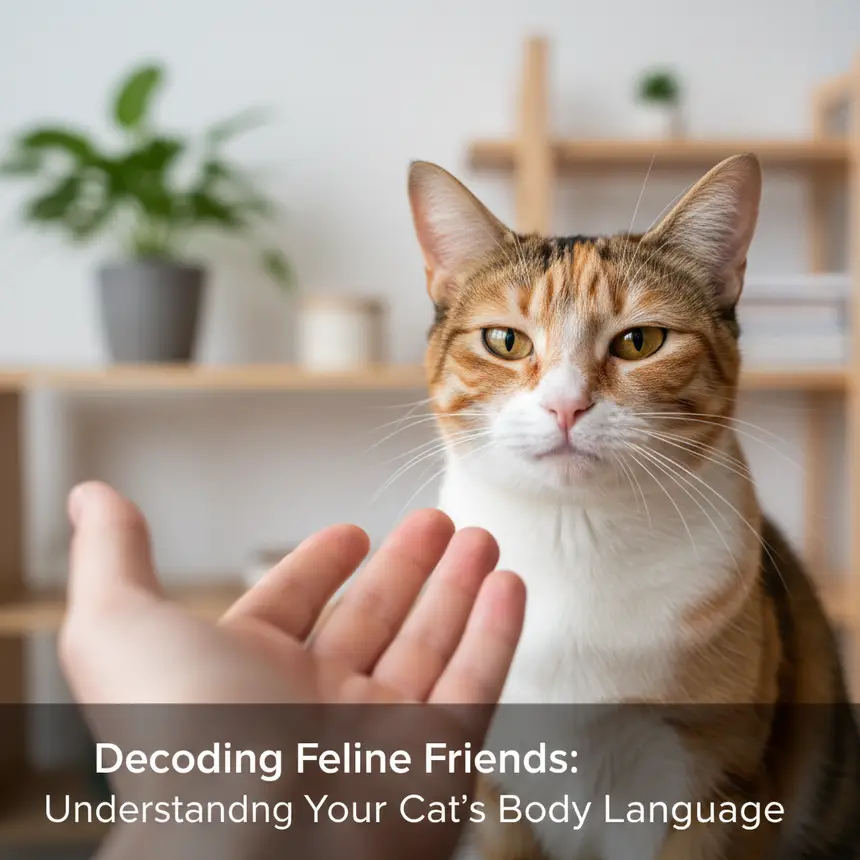
Learn how to differentiate between normal cat shedding and feline alopecia, a sign of underlying health issues. Discover essential cat skin and coat care tips and symptoms to watch out for.

Sudden Increase in Cat Shedding: Is It Hair Loss?
Have you ever found yourself worrying about the unusual amount of fur your beloved cat is shedding? Noticing fur tumbleweeds on the floor or significant amounts on your clothes can make you wonder, 'Is this normal cat shedding, or a sign of an underlying health issue like feline alopecia?' While cats naturally shed to adjust their coats with the seasons, sometimes there might be more to it than just a typical shedding cycle. Let's delve into observing your cat's coat condition and identify what signals require your closer attention. Your careful observation is the first step in safeguarding your cat's well-being.

Distinguishing Normal Shedding from Concerning Hair Loss
A cat's coat naturally undergoes cycles of shedding and regrowth in response to seasonal changes. It's common to see a significant increase in shedding during spring and fall. During these periods, fur typically sheds evenly across the body, and the skin remains healthy. It's also important to remember that some areas on a cat naturally have less fur. Areas above the eyes, in front of the ears, and around the hocks of the hind legs can appear thinner congenitally, so there's usually no cause for concern there. However, if you notice fur loss in specific, distinct patches (like circular patterns) or uneven distribution, accompanied by skin redness, flakiness, or irritation, it's time to consider that it might be more than just normal shedding; it could be feline alopecia. Such localized hair loss can stem from various causes, including external parasites, skin infections, allergies, or excessive grooming.
※ This post contains affiliate links. I may earn a commission at no extra cost to you.


Key Causes of Feline Hair Loss and Potential Solutions
When a cat's hair loss extends beyond normal shedding, several potential causes come to mind. Skin-related issues are among the most frequent culprits. Fungal infections, external parasites like mites, or allergic reactions to food or environmental allergens can trigger intense itching. This often leads to excessive licking and scratching, known as over-grooming, which exacerbates hair loss. Furthermore, stress is a significant contributor. Environmental changes, insufficient physical activity, or lack of interaction with their owner can cause stress, leading cats to over-groom as a coping mechanism. In such scenarios, identifying and mitigating the stressor is crucial. Creating a calming environment, providing ample playtime, offering cozy hiding spots, and ensuring proper nutrition can all help resolve these issues effectively.

Practical Management for Maintaining a Healthy Coat
To maintain a healthy coat for your cat and minimize unnecessary shedding, several practical efforts are beneficial. First, regular brushing effectively removes loose, dead hair and stimulates blood circulation in the skin. Daily brushing is particularly recommended during shedding seasons. Second, managing the indoor environment is important. Dry indoor air can lead to dry, flaky skin, so maintaining appropriate humidity levels is good for your cat's skin health. Third, a balanced diet is essential for healthy fur. Consider cat foods or supplements that include ingredients beneficial for skin and coat health, such as Omega-3 fatty acids. If your cat exhibits other symptoms like skin redness, flaking, or severe itching, it's wise to consult a veterinarian for an accurate diagnosis and appropriate management plan.

Nurturing Your Cat's Health with Love and Attention
While cat hair loss can be concerning for pet parents, it's often a natural process or a manageable issue. What truly matters is consistently observing your cat's usual behavior and paying close attention to even minor changes. Regular brushing, a nutritionally balanced diet, and a comfortable, stress-free environment contribute not only to a healthy coat but also to your cat's overall quality of life. If hair loss is accompanied by other signs of health concerns, such as appetite loss, lethargy, or behavioral changes, do not hesitate to seek professional veterinary help. Dedicate consistent attention and effort to your beloved cat's health and happiness. A little concern can make a big difference in their well-being.
Frequently Asked Questions
Q. What are the characteristics of normal cat shedding?
A. Normal shedding typically occurs during seasonal changes, with fur falling out evenly across the entire body. The skin remains clean, without redness or flaking. There is no concentrated hair loss in specific areas, and the cat does not excessively lick or scratch itself.
Q. Is it hair loss if my cat has less fur above its eyes or in front of its ears?
A. No, for most cats, areas above the eyes, in front of the ears, and around the hocks of the hind legs naturally have lower fur density, appearing sparser or having less hair. This does not indicate hair loss, so there's no need to worry.
Q. Can excessive licking by my cat cause hair loss?
A. Yes, it can. If a cat repeatedly licks a specific area excessively due to itching, pain, or stress—a behavior known as 'over-grooming'—the fur in that area can become damaged or broken, leading to hair loss. It's crucial to identify and address the root cause of this behavior.
Q. What can I do at home if my cat is shedding a lot?
A. Regular brushing is important to remove dead hair and promote blood circulation. Additionally, providing a balanced diet with nutrients beneficial for skin health, and creating a stable, stress-free environment can help. Managing indoor humidity can also positively impact skin health.
Q. When should I seek professional help for my cat's hair loss?
A. You should consult a veterinarian immediately if hair loss is concentrated in specific areas or appears in circular patches, if the skin is red, flaky, scaly, or inflamed, if your cat shows signs of itching or pain, or if hair loss is accompanied by other health issues like loss of appetite or lethargy. Prompt professional diagnosis and management are essential.