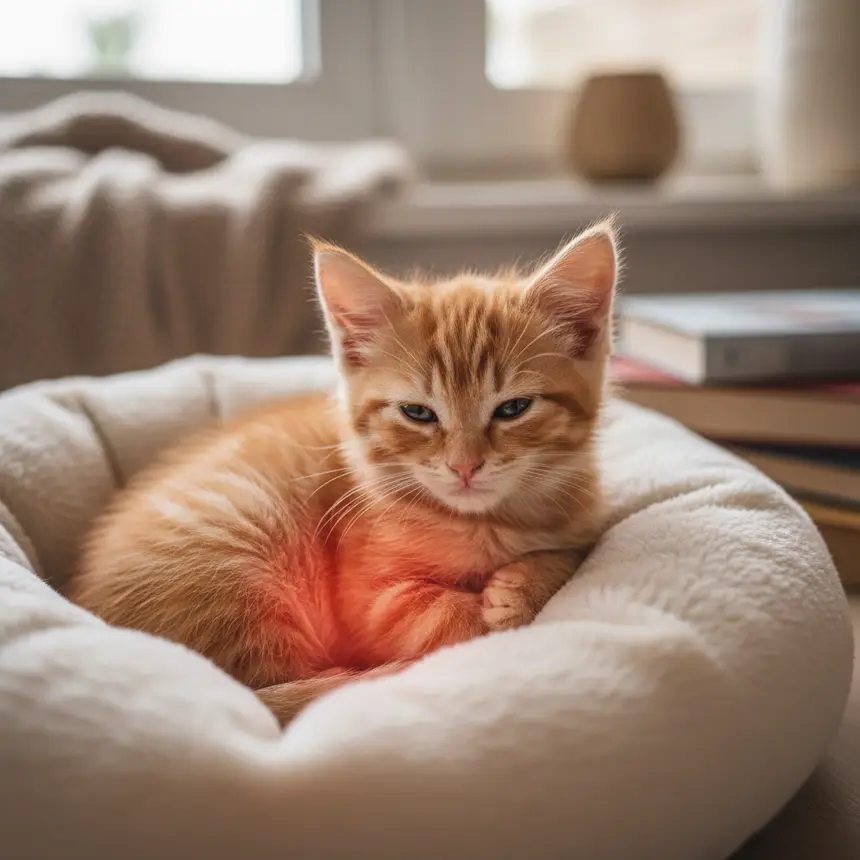
Cat coughing might be more than just a hairball. Learn about the causes of cat coughing that can threaten your cat's respiratory health, how to respond, and how to maintain a healthy pet life.

Is Your Cat's 'Hack' More Than a Hairball Huddle?
Observing your beloved feline companion stretch their neck and make a hacking sound can often lead pet parents to assume it's just another hairball coming up. However, this common assumption might be overlooking a crucial distinction: your cat could actually be coughing. Unlike dogs, cats are not frequent coughers, which means persistent or recurrent coughing can be a significant early indicator of underlying respiratory health concerns. Misinterpreting these subtle signs could delay necessary attention, making it vital for pet owners to differentiate between a hairball episode and a true cough to ensure timely and appropriate care for their cherished pets.

Unraveling the Reasons Behind Your Cat's Cough
Cat coughing can stem from a variety of sources, and pinpointing the cause is the first step toward effective management. -
Allergic Reactions: A primary culprit is feline asthma, where an allergic response to environmental triggers causes inflammation and narrowing of the airways, leading to a cough. Common irritants include household dust, perfumes, air fresheners, tobacco smoke, and certain types of cat litter dust.
Allergic Reactions: A primary culprit is feline asthma, where an allergic response to environmental triggers causes inflammation and narrowing of the airways, leading to a cough. Common irritants include household dust, perfumes, air fresheners, tobacco smoke, and certain types of cat litter dust.
- Infectious Conditions: Upper respiratory infections caused by viruses or bacteria can also trigger coughing. While initial symptoms often include sneezing and nasal discharge, the inflammation can spread to the lower airways, resulting in a cough. Young kittens or cats with compromised immune systems are particularly susceptible.
- Foreign Body Inhalation: Occasionally, small particles like dust, fur, or tiny toy fragments can get lodged in the airway, prompting a temporary cough. While an isolated incident might not be serious, persistent coughing could indicate ongoing irritation from an inhaled object. Understanding these potential causes is essential for safeguarding your cat's respiratory health.
※ This post contains affiliate links. I may earn a commission at no extra cost to you.


Smart Strategies for Managing Your Cat's Respiratory Wellness
Once you recognize that your cat's cough might signal a health issue, it's time to explore practical management strategies. -
Observe Symptoms Closely: Pay close attention to the frequency and pattern of the cough. It's helpful to note how many times your cat coughs daily, under what circumstances, and for how long each episode lasts. If the coughing is frequent or persists for over a week, professional veterinary advice should be sought.
Observe Symptoms Closely: Pay close attention to the frequency and pattern of the cough. It's helpful to note how many times your cat coughs daily, under what circumstances, and for how long each episode lasts. If the coughing is frequent or persists for over a week, professional veterinary advice should be sought.
- Check for Accompanying Signs: If the cough is accompanied by lethargy, reduced appetite, an increased breathing rate (normal resting rate is 20-30 breaths per minute, but over 40 or abdominal breathing is concerning), or open-mouthed panting, it warrants an immediate consultation with your veterinarian. These can be indicators of serious respiratory distress.
- Environmental Improvements: Managing indoor air quality significantly impacts your cat's respiratory health. Opt for low-dust cat litter, use an air purifier to reduce airborne particulates, and avoid strong-scented deodorizers, air fresheners, or harsh cleaning products. Regular ventilation of your home also helps. These small, consistent efforts can make a big difference in supporting your cat's respiratory well-being.

Becoming a Keen Observer of Your Cat's Subtle Signals
While a cat's cough can sometimes be a fleeting, isolated event, it often serves as a critical warning sign for potential respiratory health issues. It's paramount to accurately distinguish between hairball expulsion and a true cough, and to diligently observe the frequency, intensity, and any accompanying symptoms of your cat's coughing. Alongside consistent monitoring, maintaining a clean indoor environment and minimizing potential irritants can significantly contribute to your feline companion's healthier and happier life. Since cats cannot verbally communicate their discomfort, your attentive observation and prompt action are their strongest advocates for health. Be the discerning pet parent who notices even the smallest changes, safeguarding your cat's well-being.
Frequently Asked Questions
Q. How can I differentiate between my cat coughing and trying to expel a hairball?
A. When expelling a hairball, cats typically gag and then produce a ball of fur. Coughing, however, often involves stretching the neck, making a 'hack-hack' sound, and forcefully expelling air repeatedly, but usually nothing comes out. You might also observe them lowering their chest and contracting their abdomen.
Q. My cat coughs frequently. What environmental factors should I check?
A. Examine your cat litter for dust levels; consider switching to a low-dust variety. Also, check for strong-scented air fresheners, perfumes, or cleaning products in your home. Tobacco smoke and poor indoor air quality can also trigger coughs, so ensure good ventilation and consider using an air purifier.
Q. When should I take my cat to the vet for coughing?
A. If your cat's cough is more than an occasional one or two incidents, if it occurs several times a day, lasts for over a week, or if it's accompanied by other symptoms like lethargy, loss of appetite, increased breathing rate (over 40 breaths per minute), or open-mouthed breathing, immediate veterinary consultation is recommended.
Q. Can cat coughing be an early sign of a specific illness?
A. Yes, cat coughing can be an early indicator of various respiratory issues such as feline asthma (allergic bronchitis), upper or lower respiratory infections, or irritation from foreign bodies in the airway. Since cats do not typically cough frequently, recurring coughs warrant careful observation and professional assessment.