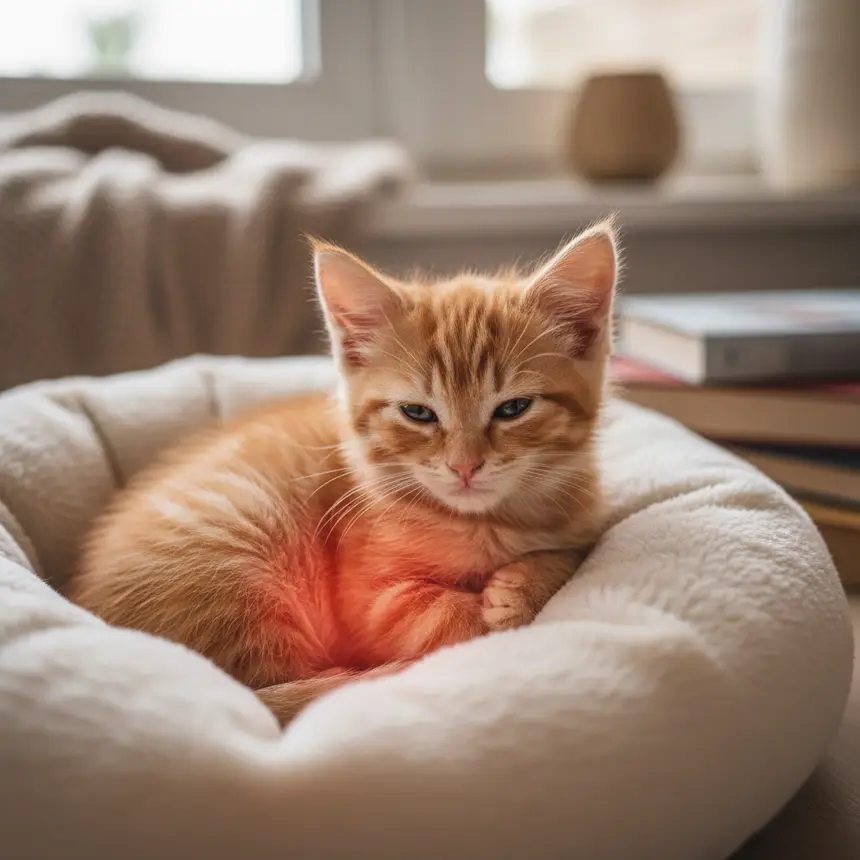
Unsure why your cat has eye discharge? From normal physiological responses to potential signs of conjunctivitis, discover common causes and essential care tips to keep your feline's eyes healthy.

H2 Your Cat's Eye Discharge: A Common Feline Owner Concern
Waking up to find your beloved cat with watery eyes or dried crusts around their eyes is a familiar sight for many pet parents. While an occasional speck might not raise alarms, frequent or unusual eye discharge can quickly become a source of worry, leading you to wonder if it's a symptom of a more serious issue. This is especially true as it could be an early indicator of ocular conditions like feline conjunctivitis. Is your cat's eye discharge merely a normal physiological process, or is it a subtle warning sign about their overall health? The first step in protecting your cat's vision and comfort begins with keen observation and understanding these small but significant changes.

H2 Decoding the Causes of Cat Eye Discharge and Proper Care Approaches
Cat eye discharge can stem from various sources, and understanding these distinct origins is key to providing appropriate care. The appearance of the discharge, along with any accompanying symptoms, offers valuable clues.
- Normal Physiological Secretions: Just like humans, cats produce tears and oils that can dry into small amounts of crusty material during sleep. This discharge is typically light brown and usually isn't a cause for concern if it doesn't bother your cat.
- Environmental Irritants: Fine particles like dust, pollen, or even dust from cat litter can irritate your cat's eyes, leading to increased discharge. Given how frequently cats visit their litter boxes, they are often exposed to litter dust. Opting for low-dust litter and ensuring good ventilation in your home can help minimize this issue.
- Upper Respiratory Infections (URIs): Feline upper respiratory infections, often caused by viruses like feline herpesvirus or calicivirus, can manifest with eye discharge along with sneezing, nasal discharge, and lethargy. If these symptoms are present, a professional veterinary evaluation is recommended.
- Ocular Conditions: Eye diseases such as conjunctivitis, keratitis, or uveitis can cause a significant increase in discharge, which may appear yellow or green. Other signs include redness, swelling of the eyelids, squinting, or pawing at the eyes. If your cat frequently rubs or paws at their eyes, it's a strong indicator of pain or discomfort, necessitating an immediate consultation with your veterinarian.
※ This post contains affiliate links. I may earn a commission at no extra cost to you.


H2 Nurturing Your Cat's Eye Health Through Vigilant Observation and Consistent Care
A cat's eyes are sensitive indicators of their surrounding environment and overall health. Therefore, any deviation from their usual appearance, such as a change in the color or a sudden increase in the volume of eye discharge, or accompanying symptoms like redness and swelling around the eyes, should not be overlooked. These changes can be more than just minor irritations; they might signal various ocular diseases, including feline conjunctivitis.
Proactive and consistent care is vital for maintaining your feline companion's eye health. Keeping the indoor environment clean and using low-dust cat litter can significantly reduce discharge caused by environmental factors. Moreover, closely observing your cat's eyes daily for even subtle changes allows for early intervention by a veterinary professional. Regular wellness check-ups are also crucial for detecting and managing any underlying conditions before they become severe. By starting meticulous eye care today, you can help ensure your cat's bright, clear eyes remain healthy for years to come.
Proactive and consistent care is vital for maintaining your feline companion's eye health. Keeping the indoor environment clean and using low-dust cat litter can significantly reduce discharge caused by environmental factors. Moreover, closely observing your cat's eyes daily for even subtle changes allows for early intervention by a veterinary professional. Regular wellness check-ups are also crucial for detecting and managing any underlying conditions before they become severe. By starting meticulous eye care today, you can help ensure your cat's bright, clear eyes remain healthy for years to come.
Frequently Asked Questions
Q. What color of cat eye discharge should I be particularly concerned about?
A. Clear or light brown, dry discharge can be relatively normal. However, yellow or green discharge, or discharge that is thick and mucous-like, can indicate infection or inflammation. It's best to consult a veterinarian if you observe these.
Q. What precautions should I take when cleaning my cat's eye discharge?
A. Never force off hardened discharge, as this can damage the skin around the eye or the eye itself. Instead, use a clean cotton pad or soft cloth soaked in warm water to soften the discharge thoroughly before gently wiping it away.
Q. Is indoor air quality important for my cat's eye health?
A. Yes, it's very important. Indoor dust, allergens, and dry air can irritate your cat's eyes and cause discharge. Regular ventilation, using an air purifier, and maintaining appropriate humidity levels can be beneficial.
Q. What should I do if my cat frequently scratches or rubs their eyes?
A. This is a clear sign that your cat is experiencing pain or discomfort in their eyes. Such actions can lead to further injury, so it's crucial to visit a veterinarian immediately to identify the exact cause and receive appropriate care.
Q. What are some daily care tips to prevent cat eye discharge?
A. Regularly keep your cat's eye area clean, use low-dust cat litter, and manage indoor air quality. Additionally, maintaining a healthy diet to boost overall immunity can also contribute to good eye health.