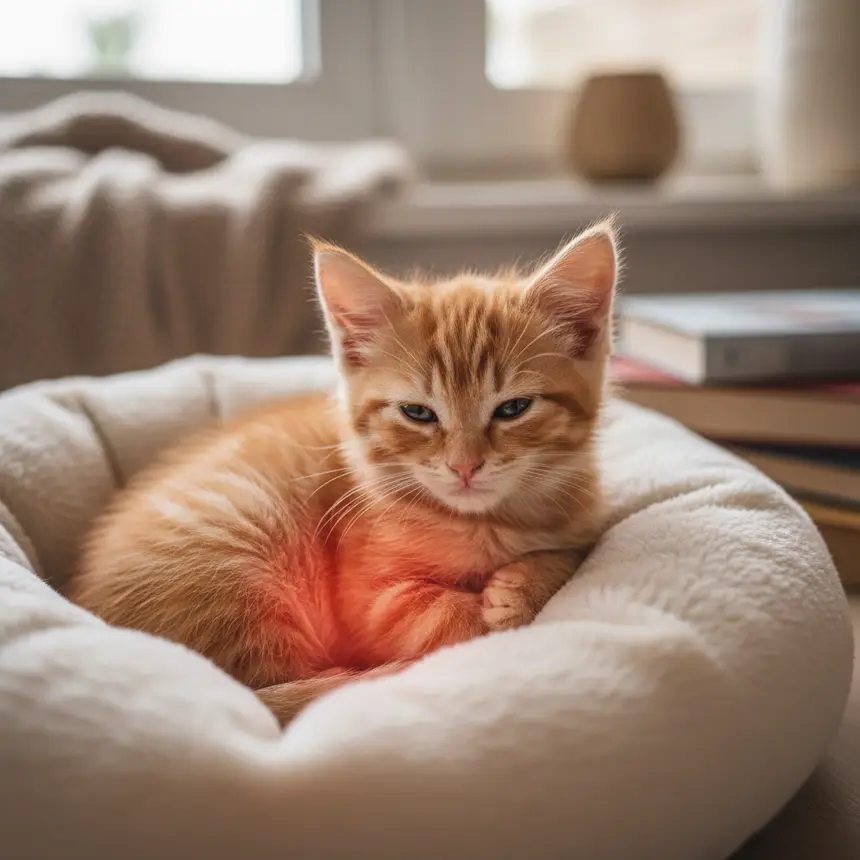
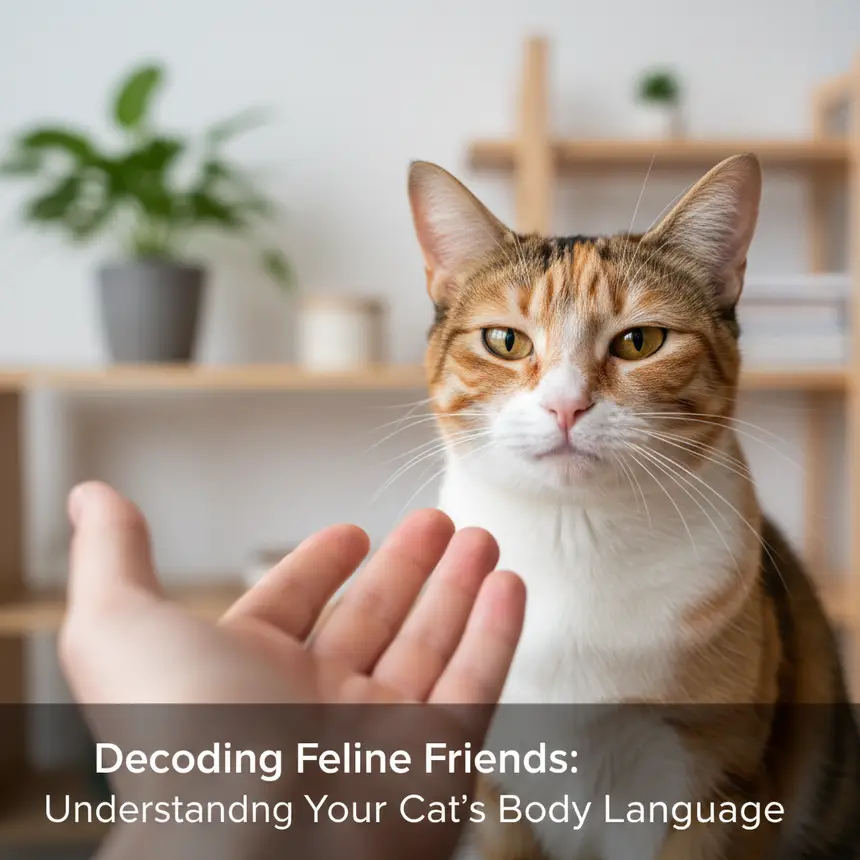
Cat hair management is essential for your feline's health and a clean home. This guide offers effective grooming methods, hairball prevention tips, and stress-reducing care techniques to help you create a happy pet life.

The Remarkable Benefits of Grooming for a Shiny Coat and Calm Feline
Effective cat hair management extends far beyond mere aesthetics; it profoundly impacts your feline companion's health and your home environment. One of the most significant advantages of regular grooming is a noticeable reduction in the amount of loose fur shedding throughout your home. You'll find yourself no longer sighing at the sight of fur accumulating on floors, furniture, and clothing, leading to a much cleaner and more pleasant living space.
Furthermore, proper coat care is crucial for your cat's well-being. Matted fur or excessive dead hair can irritate the skin, and swallowing too much fur during self-grooming increases the risk of hairball formation. Consistent brushing helps prevent these issues, promotes healthy skin, and maintains a lustrous, vibrant coat. Beyond the physical benefits, grooming sessions offer a valuable opportunity for you and your cat to deepen your bond through positive interaction.
Furthermore, proper coat care is crucial for your cat's well-being. Matted fur or excessive dead hair can irritate the skin, and swallowing too much fur during self-grooming increases the risk of hairball formation. Consistent brushing helps prevent these issues, promotes healthy skin, and maintains a lustrous, vibrant coat. Beyond the physical benefits, grooming sessions offer a valuable opportunity for you and your cat to deepen your bond through positive interaction.

Effective Grooming Techniques for Your Cat's Coat Health
To maintain your cat's fur in optimal condition, several key practices are essential. First, selecting and correctly using the right brush is paramount. For short-haired cats, a soft rubber or silicone brush is ideal, while long-haired breeds benefit from slicker brushes or combs that effectively remove dead hair and detangle mats. The key is consistent, even if brief, daily brushing, performed gently along the fur's natural direction to ensure your cat remains comfortable.
Second, a nutritionally balanced diet is vital for maintaining coat health from the inside out. Incorporating foods or supplements rich in Omega-3 fatty acids can significantly contribute to skin hydration and coat luster. Dry skin or dull fur can often signal nutritional deficiencies, underscoring the importance of choosing high-quality cat food.
Third, seeking professional help when necessary can be incredibly beneficial. If your cat strongly resists brushing or has severe matting, consider professional groomers who specialize in stress-minimizing techniques. Experienced professionals understand feline behavior and temperament, providing grooming in a calm and secure environment to reduce your cat's discomfort.
Second, a nutritionally balanced diet is vital for maintaining coat health from the inside out. Incorporating foods or supplements rich in Omega-3 fatty acids can significantly contribute to skin hydration and coat luster. Dry skin or dull fur can often signal nutritional deficiencies, underscoring the importance of choosing high-quality cat food.
Third, seeking professional help when necessary can be incredibly beneficial. If your cat strongly resists brushing or has severe matting, consider professional groomers who specialize in stress-minimizing techniques. Experienced professionals understand feline behavior and temperament, providing grooming in a calm and secure environment to reduce your cat's discomfort.
※ This post contains affiliate links. I may earn a commission at no extra cost to you.


Integrating Cat Hair Care Comfortably into Daily Life
To make cat grooming a pleasant experience, some practical strategies are beneficial. The most crucial aspect is establishing a consistent routine. By brushing your cat daily, even for short periods at the same time, your cat will gradually accept it as a normal part of their day. Begin with very brief sessions, perhaps just a minute, and gradually extend the duration.
Before and after grooming, offer your cat their favorite treats or gentle petting to create a positive association with the experience. If your cat shows resistance, it’s better to pause and try again later rather than forcing them. Attempting grooming when your cat is most relaxed, such as after waking up or a meal, can significantly increase your success rate.
Additionally, closely observing your cat's physical condition is a vital part of coat care. While brushing, check for any lumps, wounds, or skin rashes hidden beneath the fur. If you notice any unusual signs, consult a veterinarian immediately. Grooming serves as an excellent opportunity to inspect your cat's body and potentially detect health issues early.
Before and after grooming, offer your cat their favorite treats or gentle petting to create a positive association with the experience. If your cat shows resistance, it’s better to pause and try again later rather than forcing them. Attempting grooming when your cat is most relaxed, such as after waking up or a meal, can significantly increase your success rate.
Additionally, closely observing your cat's physical condition is a vital part of coat care. While brushing, check for any lumps, wounds, or skin rashes hidden beneath the fur. If you notice any unusual signs, consult a veterinarian immediately. Grooming serves as an excellent opportunity to inspect your cat's body and potentially detect health issues early.

Common Misconceptions, Precautions, and Ideal Candidates for Grooming
When it comes to cat hair care, there are several misunderstandings and important precautions to keep in mind. Firstly, while some may think frequent shaving reduces shedding, excessively short fur can expose the skin to UV radiation or impair temperature regulation. Moreover, the shaving process can be highly stressful for cats, so any decision to shave should be made after thorough consultation with a professional.
Secondly, never forcefully pull at matted fur. This can cause significant pain to your cat and create negative associations with grooming. Severely matted fur should be safely removed with the help of a professional. If your cat reacts with extreme sensitivity or aggression during brushing, it's crucial to consult a veterinary behaviorist or veterinarian to understand the underlying cause and find appropriate solutions, rather than forcing the issue.
Diligent coat care is especially recommended for cats that shed heavily during seasonal changes, those prone to frequent hairballs, and long-haired breeds. Through consistent care, your feline friend can enjoy a healthier, happier life, and you, as their owner, can savor a pleasant pet-owning experience free from excessive fur worries.
Secondly, never forcefully pull at matted fur. This can cause significant pain to your cat and create negative associations with grooming. Severely matted fur should be safely removed with the help of a professional. If your cat reacts with extreme sensitivity or aggression during brushing, it's crucial to consult a veterinary behaviorist or veterinarian to understand the underlying cause and find appropriate solutions, rather than forcing the issue.
Diligent coat care is especially recommended for cats that shed heavily during seasonal changes, those prone to frequent hairballs, and long-haired breeds. Through consistent care, your feline friend can enjoy a healthier, happier life, and you, as their owner, can savor a pleasant pet-owning experience free from excessive fur worries.
Frequently Asked Questions
Q. How often should I brush my cat's fur?
A. This depends on your cat's fur type and shedding amount. Generally, short-haired cats benefit from brushing 2-3 times a week, while long-haired cats should be brushed daily. Daily brushing is recommended for all cats during shedding seasons.
Q. My cat hates being brushed. What can I do?
A. If your cat dislikes brushing, start with very short sessions (10-30 seconds) to build positive associations. Immediately offer treats or praise after brushing, and try when your cat is most relaxed. Patience is key; it's better to stop and try again later than to force it.
Q. Are there other ways to reduce cat hairballs besides brushing?
A. In addition to regular brushing, feeding a high-fiber, hairball control cat food or using hairball supplements can help. Ensuring your cat drinks enough water is also important for digestive health and hairball prevention.
Q. What should I do if my cat's fur is severely matted?
A. If your cat's fur is severely matted, it's best not to attempt to untangle it at home. You could cause pain or skin damage. In such cases, seeking assistance from a professional pet groomer with the right knowledge and tools is the safest and wisest approach.