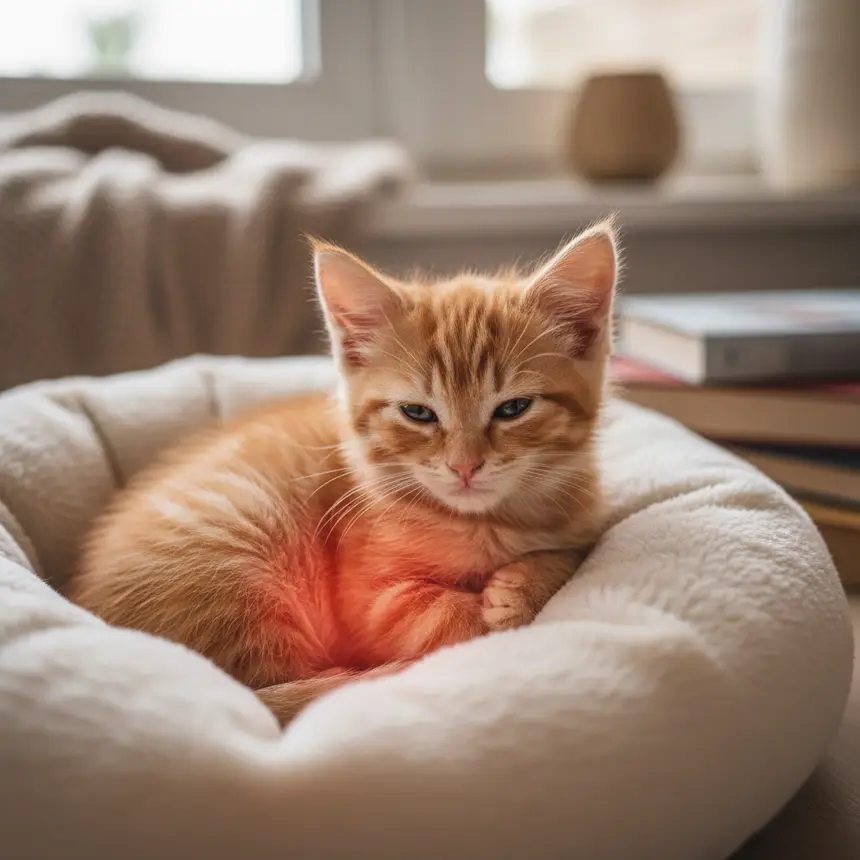
Boosting your cat's water intake is crucial for kidney and bladder health. Discover effective methods to increase hydration and tips for urinary tract care for your feline friend's vibrant life.

A Vibrant Life for Your Cat: Optimal Hydration and Urinary Tract Health Are Key
Have you ever worried because your cat's litter box visits suddenly increased, or their urine volume seemed to decrease? Cats, being descendants of desert animals, naturally tend to drink less water, making them susceptible to urinary system issues. Adequate water intake is the most fundamental yet crucial management method for safeguarding your cat's kidney and bladder health. When a cat is well-hydrated and their urinary system remains healthy, they can enjoy a more comfortable and vibrant life, free from unpleasant urination problems. Consistent care is even more vital for senior cats, serving as an essential element for a healthy aging process. Regular urination helps in expelling bodily waste and directly influences urinary tract well-being.

Effective Strategies to Increase Your Cat's Water Intake and Support Urinary Systems
There are various ways to encourage your cat to drink more water, and it's important to try methods that suit your cat's preferences. First, always provide fresh, clean water in multiple locations around your home. Experimenting with different bowl materials or using a pet water fountain can be beneficial for cats that prefer running water. Regarding diet, consider incorporating wet food alongside dry kibble, or adding a small amount of warm water to their dry food. Furthermore, you might consider using nutritional supplements containing specific plant extracts known to support urinary tract health, such as cranberry, hibiscus, or pumpkin. These ingredients can help maintain a healthy urinary environment and assist in waste elimination. When choosing supplements, look for products with minimal artificial additives, composed of pure ingredients, and ensure they are palatable so your cat will readily consume them. Powdered supplements can be easily sprinkled over food or mixed into water to enhance drinking.
※ This post contains affiliate links. I may earn a commission at no extra cost to you.


Important Considerations and Target Cats for Healthy Urinary Management
Managing your cat's urinary health requires consistency and careful observation. When making changes to their diet or introducing nutritional supplements, always start with small amounts to monitor your cat's reaction, implementing gradual changes rather than abrupt ones. If your cat exhibits unusual urination habits or shows signs of discomfort, it is paramount to consult a veterinarian for an accurate diagnosis. Self-diagnosis or arbitrary treatments can worsen the situation and should be avoided. Particular attention to urinary health management should be given to the following types of cats:
- Cats that do not enjoy drinking water.
- Older, senior cats.
- Cats with a history of urinary issues.
- Cats whose diet primarily consists of dry kibble.
Frequently Asked Questions
Q. What should I do if my cat doesn't drink enough water?
A. If your cat isn't drinking enough, try placing multiple water bowls around the house and experiment with different bowl materials (ceramic, stainless steel). Installing a pet water fountain can also be effective for cats who prefer running water. Additionally, increase the proportion of wet food in their diet or mix warm water into their dry kibble to boost their fluid intake.
Q. What nutritional ingredients are good for my cat's urinary health?
A. Ingredients that can support your cat's urinary health include cranberry, hibiscus, and pumpkin extracts. These can help maintain a healthy urinary environment and aid in waste elimination. Using pet-specific supplements containing these ingredients can be beneficial. However, when choosing products, it's important to select those with pure ingredients and minimal artificial additives.
Q. Why is kidney and bladder management especially important for senior cats?
A. As cats age, their kidney function can naturally decline, making them more susceptible to urinary tract diseases. Adequate hydration and proper nutritional management are essential for efficient waste elimination and reducing the burden on the urinary system, thus helping to maintain healthy kidney and bladder function. This is a crucial factor in helping senior cats enjoy a comfortable and healthy later life.