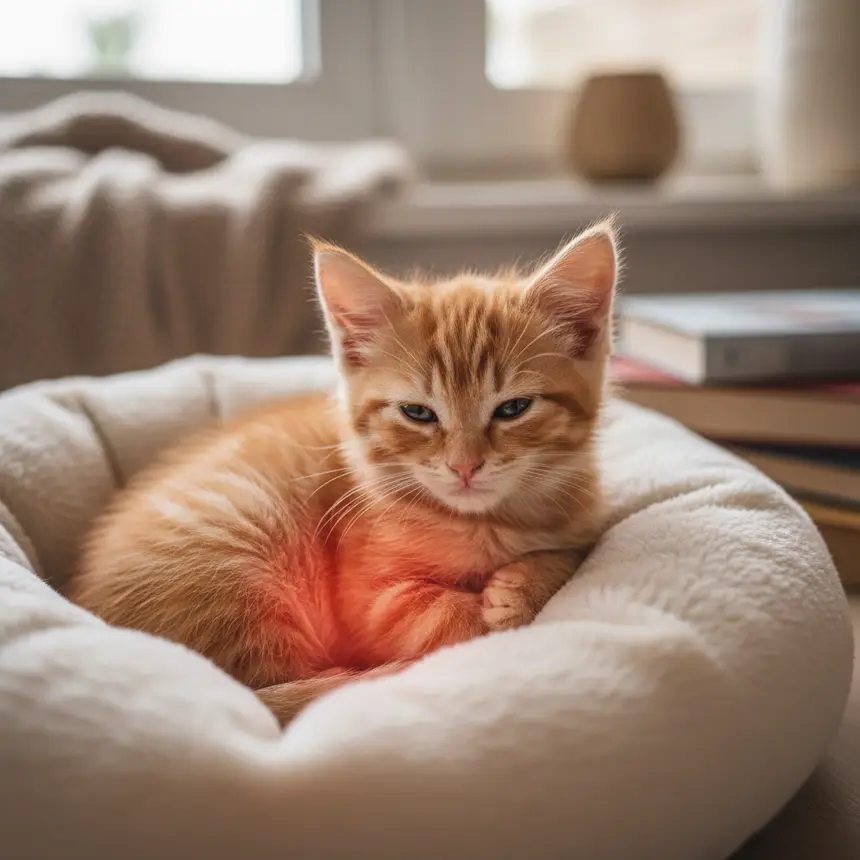
Everything about cat hair management! From the importance of dead hair removal to choosing the right cat brush and tips for enjoyable grooming. Discover our essential guide for healthy skin and a shiny coat.

H2. The Furry Battle: How Healthy is Your Cat's Coat Management?
Life with a beloved cat brings immense joy, yet it often comes with the challenge of shedding fur scattered throughout the home. Especially for cats experiencing heavy seasonal shedding or continuous hair loss, effective cat hair management is absolutely crucial. Simply vacuuming frequently isn't enough; regular dead hair removal is essential for your cat's health and hygiene. The stress of shedding isn't just a human problem. Cats can also suffer discomfort from matted fur or dead hair accumulated on their skin, or develop hairball issues from ingesting too much fur during grooming. While many types of cat brushes are available today, it can be overwhelming to know which one is best for your feline friend and how to use it properly. Correct brushing is a vital first step in maintaining your cat's skin and coat health.

H2. Understanding Excessive Shedding: Why Dead Hair Accumulates
A cat's fur constantly grows and sheds in a natural cycle, influenced by seasonal changes, health status, and breed. When this shed fur, or dead hair, isn't removed promptly, it can lead to several problems. Firstly, matted or clumped fur obstructs skin ventilation, creating a damp and dirty environment prone to skin infections or other dermal issues. It's akin to layers of fallen leaves in a dense forest suffocating the ground beneath. Secondly, cats have a natural grooming habit of licking their fur to keep clean. If they ingest excessive dead hair, it can form hairballs in their digestive tract, leading to issues like vomiting or constipation. Thirdly, loose fur can spread around the home, potentially causing discomfort for allergy-sensitive family members or creating hygiene concerns. For these reasons, removing your cat's dead hair is not just about aesthetics but a critical part of their overall health care.
※ This post contains affiliate links. I may earn a commission at no extra cost to you.


H2. Your Guide to Choosing the Right Cat Brush for a Healthy Coat
Selecting the appropriate cat brush that matches your cat's fur type and condition is key to effective coat management. A variety of brushes exist, each with distinct functions and purposes. First, detangling tools, or dematting combs, are especially useful for long-haired cats or those prone to matting. They carefully work through tangles, much like untangling a knotted yarn. Second, deshedding tools are highly effective for removing dead undercoat hair, making them ideal during shedding seasons or for cats with heavy shedding. They help remove loose fur without damaging the topcoat, similar to a fine-mesh sieve filtering unwanted debris. Third, pin brushes provide general brushing and a massage effect, promoting blood circulation and contributing to healthy skin and a shiny coat. Finally, durable stainless steel bristles are hygienic and long-lasting, making them a popular choice among pet owners. It's crucial to choose tools that effectively manage fur without irritating your cat's delicate skin.

H2. Mastering the Art of Cat Grooming: Practical Tips for Happy Brushing
Grooming sessions should be an enjoyable experience for your cat, not a stressful one. Use these tips to make brushing time a happy occasion for both of you. Before you start, gently wipe your cat's fur with a soft cloth dampened with warm water. This mimics the sensation of a mother cat licking her kittens, helping to relax your cat, and moistening the fur reduces static and makes shedding easier during brushing. Begin brushing in a place where your cat feels comfortable and secure, using short, gentle strokes. Always brush in the direction of hair growth, and carefully work through any tangles. If your cat resists or shows signs of discomfort, stop for a while and try again later. Linking the experience with positive reinforcement, such as treats or praise, can be very beneficial. Brushing frequency varies depending on your cat's fur length and shedding amount, but generally, short-haired cats benefit from brushing 2-3 times a week, while long-haired cats may need daily grooming.

H2. Beyond the Brush: The Benefits of Consistent Cat Grooming
Cat fur management goes beyond mere aesthetics. Through consistent and proper brushing, effective dead hair removal helps protect your cat's skin health, prevents hairball issues, and keeps your home environment cleaner. Furthermore, regular grooming can become a valuable time to strengthen the bond with your cat. It offers an opportunity to check for any abnormalities on their body while petting and interacting, showing your affection. Much like a gardener tending to their plants, consistent cat grooming results in a shiny, healthy coat and enhances your cat's quality of life. Start today by finding the optimal cat brush for your feline friend and begin brushing using the correct methods. You'll soon discover a healthier and happier life together.
Frequently Asked Questions
Q. How often should I groom my cat?
A. The frequency depends on your cat's fur length, breed, and shedding amount. Generally, short-haired cats benefit from brushing 2-3 times a week, while long-haired or heavily shedding cats might need daily grooming.
Q. What type of brush is best for a cat with heavy shedding?
A. For cats with heavy shedding, a deshedding tool is most suitable as it effectively removes dead undercoat hair. It's especially useful during shedding seasons and helps remove loose fur without damaging the coat.
Q. How can I make my cat enjoy grooming sessions?
A. If your cat dislikes brushing, try short sessions and create positive associations. Offer treats or praise after brushing, and start with a soft brush to gradually get them accustomed. It's crucial not to force them.
Q. Do short-haired cats also need dead hair removal?
A. Yes, short-haired cats also shed dead hair, so regular brushing and dead hair removal are necessary. This helps maintain skin health and prevent hairballs. Soft pin brushes or silicone brushes are often suitable.
Q. What are other important aspects of cat coat care besides brushing?
A. Besides brushing, a balanced diet is essential for maintaining healthy skin and fur. A diet rich in omega fatty acids can enhance coat shine and help prevent dry skin.