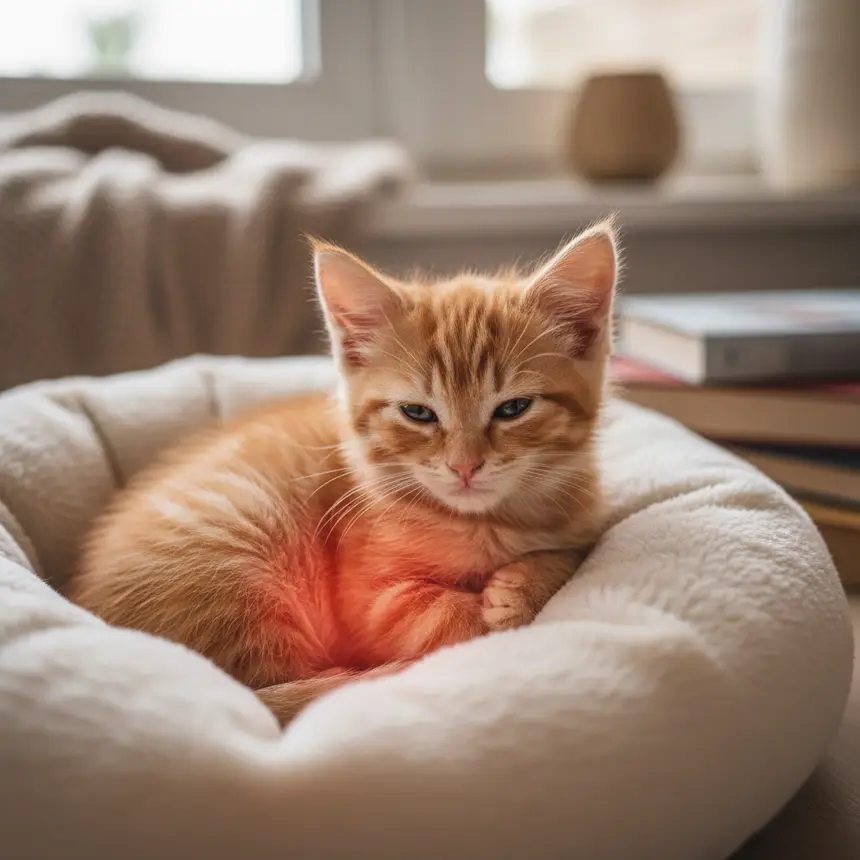
Changes in your cat's urine can signal crucial health issues. Discover practical ways to use cat litter for early detection of feline hematuria and safeguard your cat's urinary wellness.

Uncovering Hidden Signals: Finding Health Clues in Your Cat's Litter Box
The well-being of our beloved feline companions is always a top priority for pet parents. Cats are masters at concealing pain or discomfort, often making it challenging for owners to detect health issues early. Changes in urination patterns or the appearance of urine can be critical indicators of underlying health problems, yet these signs are often hard to notice in daily life. The concern that our cats might be suffering from urinary tract issues is a common worry among all cat owners. Monitoring for feline hematuria, or blood in the urine, plays a crucial role in the early detection of these potential problems. Careful observation through the litter box can be the first step in safeguarding your cat's health. Did you know that the cat litter you use daily can be more than just a waste disposal area—it can be a vital tool for health monitoring?

Why Feline Urinary Health Demands Close Observation
Cats are inherently susceptible to urinary tract conditions due to their physiology. Issues like cystitis or urinary stones can arise from various factors, including stress, insufficient water intake, and aging. One of the earliest signs of these problems is hematuria, where blood appears in the urine. However, using dark-colored or highly absorbent cat litter often makes it incredibly difficult to spot subtle changes in urine color or traces of blood. Furthermore, dusty litters not only pose a risk to your cat's respiratory health but also obstruct visibility during litter box cleaning, complicating urine observation. Ultimately, the characteristics of your cat's litter significantly impact your ability to notice early warning signs. It's crucial to understand that choosing the right cat litter goes beyond mere hygiene; it's a vital component in protecting your cat's overall health.
※ This post contains affiliate links. I may earn a commission at no extra cost to you.


Litter Properties That Aid Health Checks: The Key to Early Detection
To effectively monitor your cat's urinary health, it's beneficial to select cat litter with specific features. Firstly, light-colored litter helps you identify changes in urine color or the presence of blood much more clearly. It’s like drawing on a clean canvas, allowing you to catch even the slightest abnormal signs in the urine. Secondly, low-dust litter benefits both your cat's and your own respiratory health, while also maintaining a clean litter box and ensuring an unobstructed view for urine observation. Opt for products that undergo multi-stage processing, such as particle screening, advanced filtration, and air washing, to minimize airborne dust. Thirdly, litters that blend plant-based and mineral components can offer the best of both worlds: strong clumping ability and minimal dust, satisfying both ease of management and your cat's comfort. Lastly, a soft yet firm texture is comfortable for your cat's paws, encouraging consistent litter box use. Cat litter with these characteristics will greatly facilitate feline hematuria checks for pet owners, helping them detect health issues by not missing even minor changes.

Small Daily Habits, Big Changes: Fostering a Healthy Feline Life
Protecting your cat's urinary health begins with consistent attention and proper management. Each time you clean the litter box, make it a habit to not just remove waste, but also to carefully observe the amount, color, and odor of the urine. Using light-colored, low-dust litter makes these observations significantly easier. If you notice any unusual colors in the urine, especially reddish or cloudy hues, or if your cat seems to struggle or frequently enter and exit the litter box, it's advisable to consult a professional immediately. Furthermore, encouraging ample water intake and creating a stress-free environment are crucial for maintaining urinary health. It's important to be sensitive to changes in your cat's behavior and to seek regular veterinary check-ups to detect any abnormalities early. Choosing the right cat litter and practicing careful observation will be powerful allies in ensuring your cat lives a healthy and happy life.
Frequently Asked Questions
Q. Why are feline urinary health issues often difficult to detect early?
A. Cats are adept at hiding pain or discomfort, and subtle changes in their urine can be obscured by dark-colored litter or excessive dust, making visual detection challenging for owners.
Q. What characteristics of cat litter help in checking for blood in urine?
A. Litter that is light-colored allows for easy identification of urine color changes, has low dust for clear visibility, and possesses a comfortable, soft texture for paws is most helpful.
Q. How should I monitor my cat's litter box daily to spot health problems?
A. When cleaning daily, it's crucial to observe the urine's volume, color (checking for reddish or cloudy appearance), any changes in odor, and your cat's frequency or behavior when using the litter box.
Q. Does the type of cat litter directly impact my cat's urinary health?
A. While litter itself doesn't cause diseases, dusty litters can affect respiratory health. Uncomfortable litter may deter cats from using the box, leading to stress or increasing the risk of urinary problems. It also hinders effective monitoring.
Q. What should I do if I find unusual signs in my cat's urine?
A. If you notice blood in the urine, unusual colors, foul odors, or if your cat shows discomfort during urination, it is paramount to consult a veterinarian immediately for an accurate diagnosis and appropriate action.