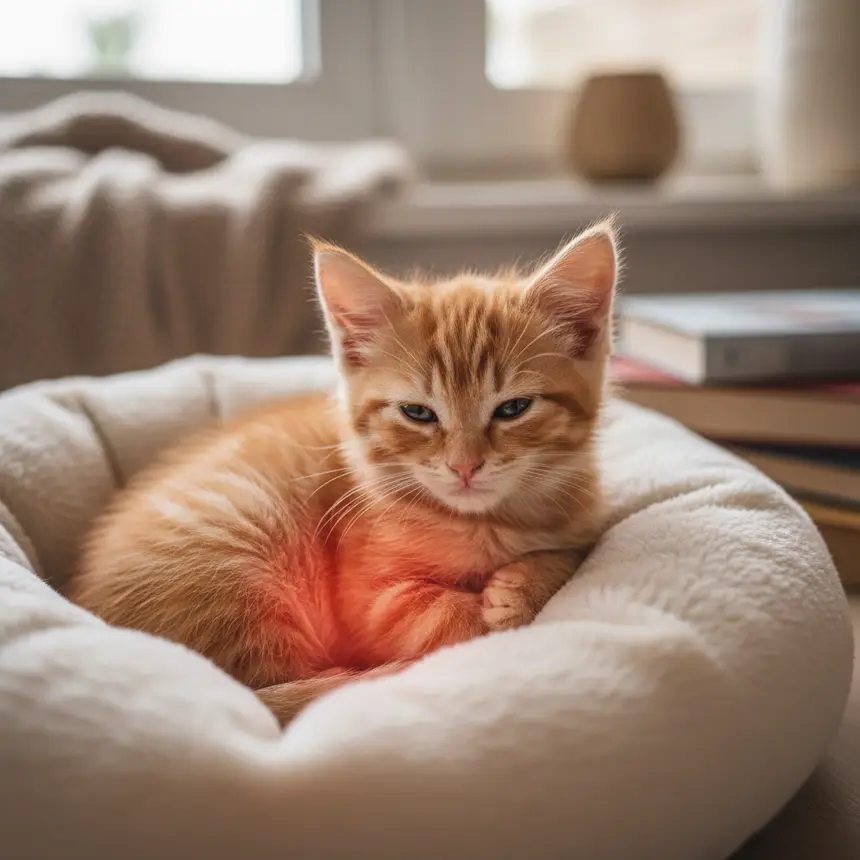
If your cat frequently visits the litter box or has accidents, feline cystitis might be the cause. Explore the main reasons and symptoms of cat bladder inflammation, and learn effective home management and prevention tips.

The First Step Towards Your Cat's Comfortable Urination
When your cherished feline companion hesitates at the litter box or repeatedly visits it with signs of discomfort, it's natural for pet parents to feel worried. Feline cystitis is one of the primary reasons for such behavioral changes, and recognizing early signals and responding appropriately is crucial for reducing your cat's discomfort and enhancing their quality of life. Changes like accidents outside the litter box or seemingly reduced urine volume can be strong indicators of bladder discomfort. By quickly identifying these subtle shifts and responding wisely, you can minimize your cat's potential pain, prevent recurrence, and help them maintain a healthy, comfortable daily life. Your attentive observation and understanding are the initial steps in safeguarding your cat's happy urination habits.

Feline Bladder Issues: Understanding Complex Causes
Feline cystitis refers to an inflamed and sensitive state of the bladder lining. This can cause pain and discomfort similar to what a person might feel if an irritating liquid touched wounded skin. These bladder problems can broadly be categorized into two forms. First, cases caused by distinct pathogens like bacterial infections. Second, 'idiopathic cystitis,' where there's no clear infectious agent, but environmental changes or psychological stress are the main factors leading to damage of the bladder's protective layer. A significant portion of bladder issues in adult cats falls into this latter category. Cats are highly sensitive animals, and even minor environmental changes, such as rearranging furniture, introducing a new pet, or changing litter types, can be perceived as stress. This stress can trigger the release of specific hormones that irritate bladder nerves and cause swelling, leading to pain and hematuria similar to infectious diseases, even without physical irritants. Therefore, maintaining a stable living environment for your cat is paramount.
※ This post contains affiliate links. I may earn a commission at no extra cost to you.


At-Home Management Tips for Your Cat's Bladder Health
The key to maintaining your cat's bladder health and preventing problems lies in ensuring adequate hydration and creating a stress-free litter box environment. When the body is sufficiently hydrated, urine becomes more diluted, spends less time in the bladder, and waste products can be efficiently expelled. To achieve this, place multiple water bowls in areas your cat frequently visits, and consider using a circulating water fountain if your cat prefers running water. Furthermore, the litter box environment is critical. It should be located in the quietest, most private area of your home, and its size should be at least 1.5 times your cat's body length to provide psychological comfort during elimination. Instead of abruptly changing litter types, introduce changes gradually or consistently use a type your cat prefers. Beyond environmental factors, regular play sessions help alleviate stress, and maintaining a stable daily routine also positively impacts bladder health. If any unusual symptoms appear, it is crucial to consult with a professional promptly for an accurate diagnosis and advice.

The Importance of Continuous Attention and Professional Guidance
Even if symptoms related to feline bladder issues appear similar on the surface, their underlying causes can be very diverse. Therefore, if you notice any unusual signs in your cat, it's crucial to seek professional help to pinpoint the exact cause rather than attempting self-diagnosis. This may involve urinalysis to check urine pH, occult blood, and inflammatory cells, as well as a bladder ultrasound to visually assess bladder wall thickness, internal sludge, or the presence of stones. In emergency situations where the cat cannot urinate at all, a blood test to evaluate kidney function and overall systemic health is essential. Through these diagnostic procedures, you can understand the exact situation and establish the most appropriate management plan for your cat. For all cat owners, especially those whose cats have a history of bladder problems or are sensitive to stress, it's advisable to maintain vigilant observation and consistent attention to protect your cat's health. Noticing even small changes and consulting with a professional is key to a healthy life together.
Frequently Asked Questions
Q. My cat frequently goes to the litter box but produces little urine. What could be the problem?
A. If your cat frequently visits the litter box but voids small amounts of urine, this can be a common sign of bladder issues like cystitis. It's likely that inflammation in the bladder lining makes the bladder sensitive, causing a frequent urge to urinate, but actual urination is not efficient. Other symptoms like bloody urine or accidents outside the litter box might also be present, so it's best to seek immediate veterinary examination.
Q. What can I do at home to prevent feline cystitis?
A. The most crucial aspects for preventing cystitis are adequate hydration and stress management. Ensure your cat drinks plenty of water by placing multiple water bowls in various locations, and consider using an automatic water fountain if they prefer running water. Also, always keep the litter box clean, provide a generously sized box appropriate for your cat's body, and place it in a quiet, private area to minimize stress. Avoid sudden environmental changes and provide regular playtime to promote psychological well-being.
Q. What should I do if my cat cannot urinate at all?
A. If your cat cannot urinate at all, this is a very serious emergency. It likely indicates a urinary tract obstruction, which can cause severe kidney damage. In such cases, do not delay; immediately visit an emergency veterinary clinic. Without prompt treatment, this condition can be life-threatening.
Q. Is feline cystitis prone to recurrence?
A. Yes, feline cystitis, especially idiopathic cystitis linked to stress, can be prone to recurrence. This is due to the complex interplay of a cat's sensitive nature and environmental factors. To reduce recurrence, continuous efforts are needed, such as consistent hydration management, elimination of stress factors, and maintaining a stable environment. It's important to develop a personalized management plan in consultation with a veterinarian.