Struggling with dog potty training? Learn how to set up the perfect environment, effectively use puppy pads and attractants, and establish consistent habits for successful house-training. Get practical tips to help your dog develop proper bathroom etiquette.

H2: Why is Potty Training Our Beloved Companion So Challenging?
Welcoming a new puppy into your home is often filled with joy and excitement, yet many pet parents quickly encounter the common hurdle of dog potty training. Unpredictable accidents around the house can be frustrating, and incorrect training approaches might even confuse your furry friend. This isn't just a challenge for the dog; it can become a significant source of stress for both the pet and the owner. However, there's no need to despair. Successful house-training is entirely achievable with the right understanding and a systematic approach. The key lies in creating an appropriate environment for your dog and providing consistent guidance.
H2: The Secret to Potty Training Success: The Importance of Initial Environment Setup
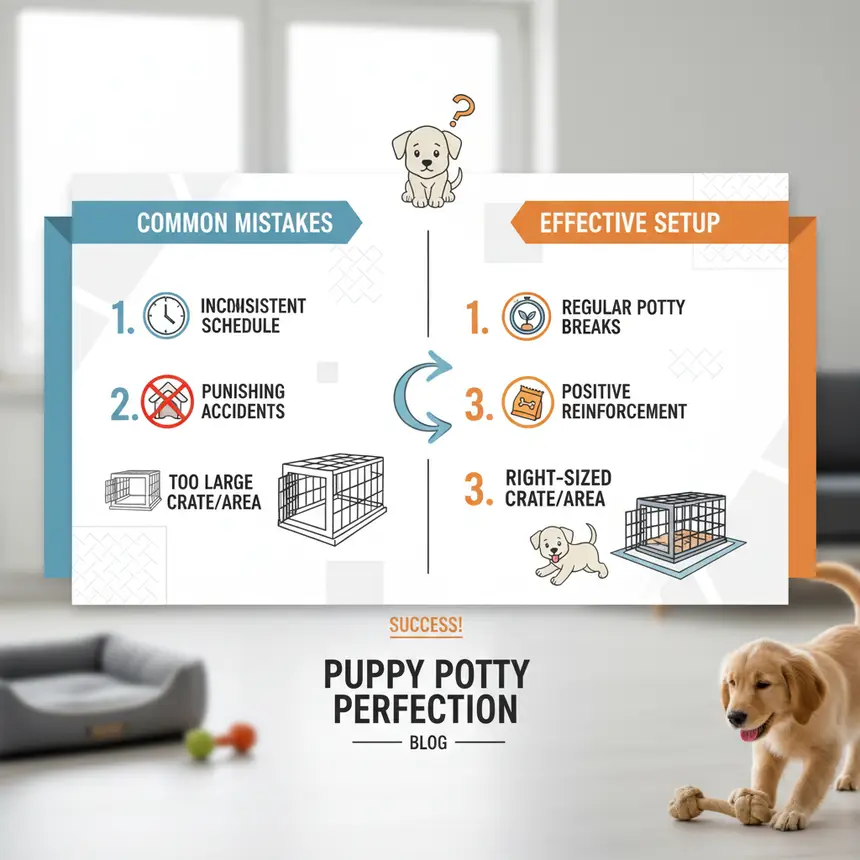
One of the primary reasons dog potty training can be difficult is the lack of clear direction and a consistent environment. While many pet parents try various training techniques, the crucial first step is creating a setup where your dog clearly understands where to eliminate and feels comfortable doing so. The experiences your puppy has during the critical first three days in their new home significantly impact their future potty habits. Inconsistent signals or confusion during this period can make it difficult for your dog to learn the correct place to relieve themselves. Therefore, understanding your dog's behavioral patterns from the outset and effectively designing their potty area is paramount.
※ This post contains affiliate links. I may earn a commission at no extra cost to you.

H2: Practical Approaches for Effective Potty Training
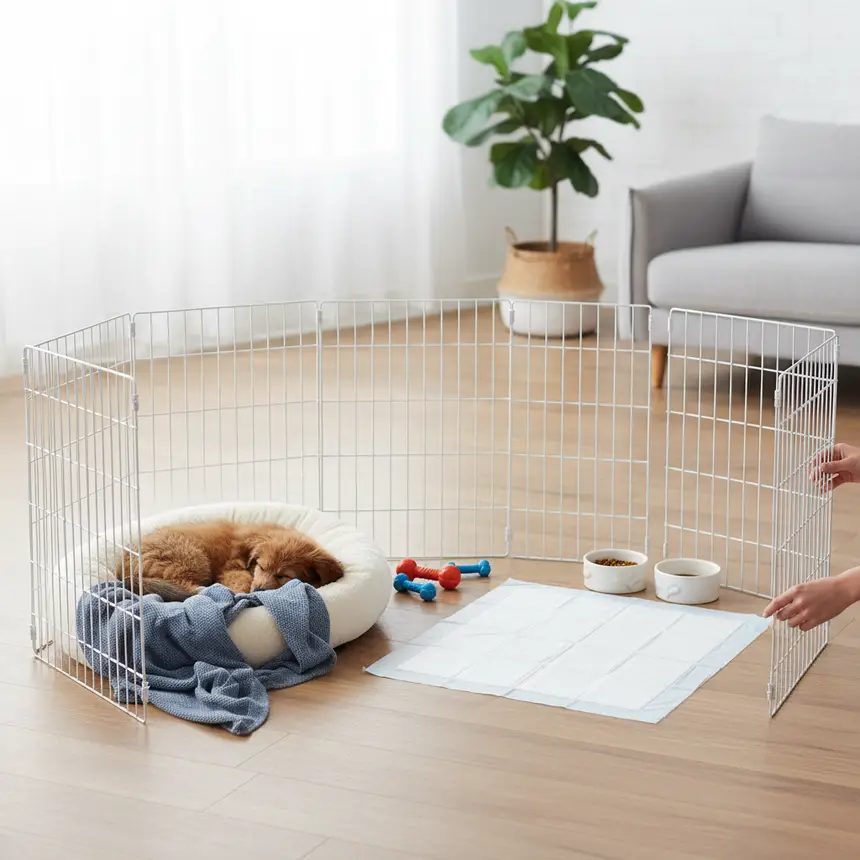
Achieving successful dog potty training requires a comprehensive consideration of several key factors. First, identifying potty timing is crucial. Most dogs tend to relieve themselves within 10 to 30 minutes after eating, immediately after waking up, and following active play sessions. Consistently observing these patterns for about three days will help you pinpoint your specific dog's unique elimination rhythm. Second, selecting the right puppy pads greatly influences training success. Low-absorbency pads can lead to floor contamination, discouraging your dog from using them. Opt for pads with a minimum absorbency of 500ml for medium-sized dogs and ensure they stay in place to prevent slipping. Initially, cover a larger area with pads and gradually reduce the coverage as your dog learns. Third, utilizing potty attractants can help your dog quickly recognize the correct spot. During the first seven days of training, lightly spray the center of the puppy pad once or twice; consistency is more important than quantity. Always ensure that any accident spots are thoroughly cleaned with an enzymatic cleaner to eliminate odors and prevent repeat incidents in the wrong place. Fourth, employ a space management strategy. Initially, use gates or playpens to limit your dog's activity area to about 50% of the space, and clearly separate their sleeping area from their potty area. This helps prevent confusion and allows your dog to learn their designated potty spot more quickly.
H2: Building Successful Potty Habits Through Consistent Management and Positive Reinforcement
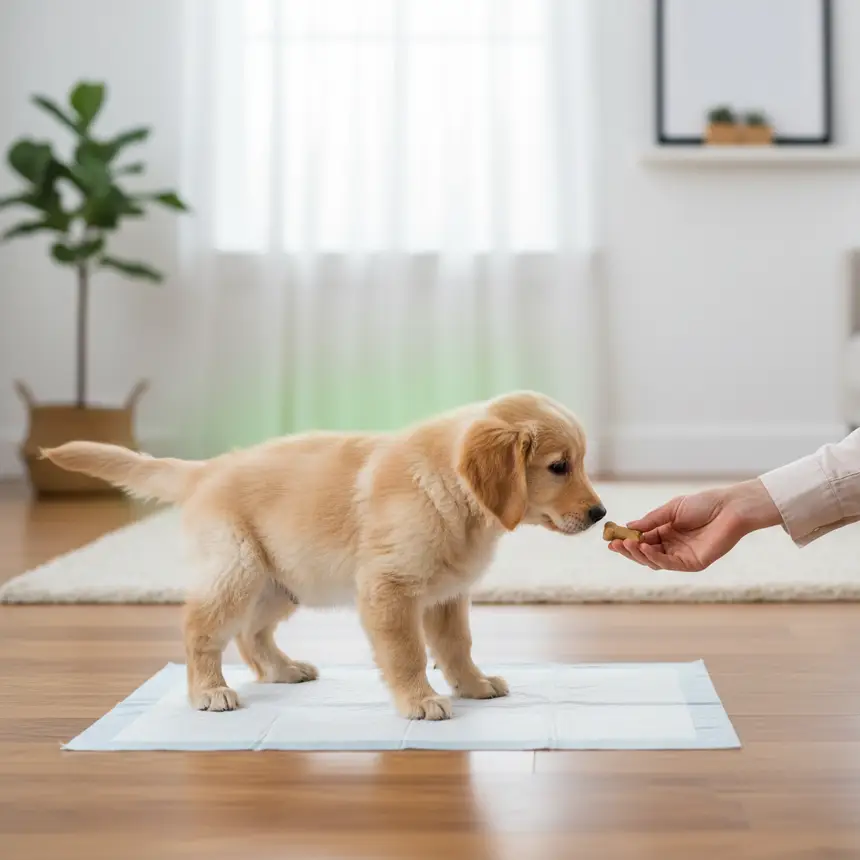
The ultimate success of potty training hinges on the pet parent's consistency and steady attitude. When your dog successfully uses the puppy pad, provide immediate and enthusiastic praise along with a small reward (1-2 small treats) to create a positive association. Delayed praise can make it difficult for your dog to understand what they're being rewarded for. Conversely, if your dog has an accident, it's far more effective to quietly clean up the mess and remove the odor rather than scolding or raising your voice. Scolding can instill fear, leading your dog to hide their elimination or relieve themselves secretly. Maintaining this consistent routine for approximately 14 days will typically lead to most dogs developing stable potty habits. Remember, potty training is not just about teaching your dog; it's a process where you, as the guardian, provide clear guidelines and patient guidance. These small, consistent efforts will build a strong foundation for a happier coexistence with your canine companion.
Frequently Asked Questions
Q. My dog keeps avoiding the puppy pad and having accidents elsewhere. Why is this happening?
A. There are various reasons a dog might avoid puppy pads. The material or scent of the pad might be uncomfortable, or the location might feel insecure or too exposed. Additionally, if the pad is too dirty or if they've been scolded for accidents, they might develop a negative association with the pads. Adjusting the pad's location, trying a different type of pad, or making the potty area feel more secure can be helpful.
Q. Is a potty attractant necessary? Can I train my dog without using one?
A. Potty attractants are supplementary tools that help dogs quickly recognize a specific spot as their elimination area. They are not strictly necessary, but they can be effective in reducing confusion and accelerating learning during the initial training phase. You can certainly train your dog without attractants by consistently guiding them to the potty pad at appropriate times and offering immediate praise for success. It's best to use them selectively based on your dog's temperament and training situation.
Q. What's the best way to handle it when my dog has an accident?
A. It's crucial never to scold or raise your voice when your dog has an accident. Scolding can instill fear, causing your dog to try and hide their elimination or go to the bathroom when you're not looking. The best approach is to quietly clean the mess, thoroughly eliminate any odor with an enzymatic cleaner, and then calmly redirect your dog to their designated potty area. The key is to provide immediate, positive reinforcement when they succeed, not to punish for mistakes.
Q. Can adult dogs be potty trained? Is it possible for those who weren't trained as puppies?
A. Yes, absolutely. Adult dogs can definitely be potty trained, and successful elimination habits can be established through positive reinforcement and a consistent environment. However, it might require a bit more patience and time than with puppies, as they may have established habits or learned associations with certain environments. Observing the adult dog's behavior patterns closely and tailoring the approach based on their past experiences is important.
Q. How long does dog potty training usually take?
A. The time it takes for dog potty training varies widely depending on the dog's age, breed, personality, and the owner's consistency. Generally, it can take anywhere from a few days to several weeks, but establishing fully stable habits might take a few months. The key is not to rush the process but to consistently apply the rules and encourage your dog. Persistent effort will ultimately lead to successful results.