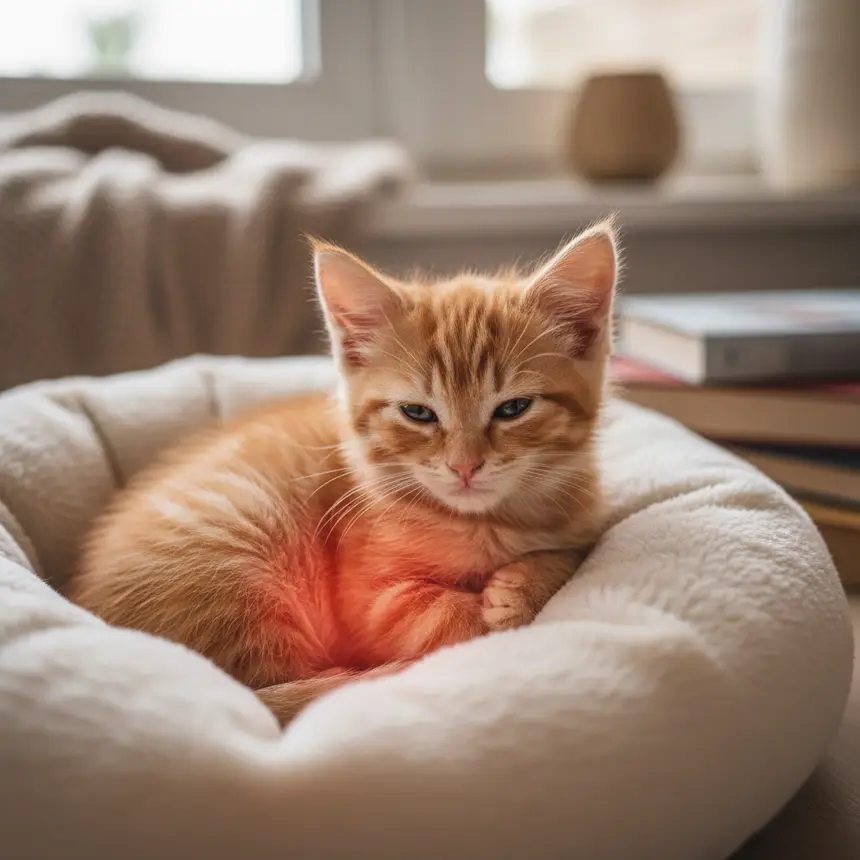
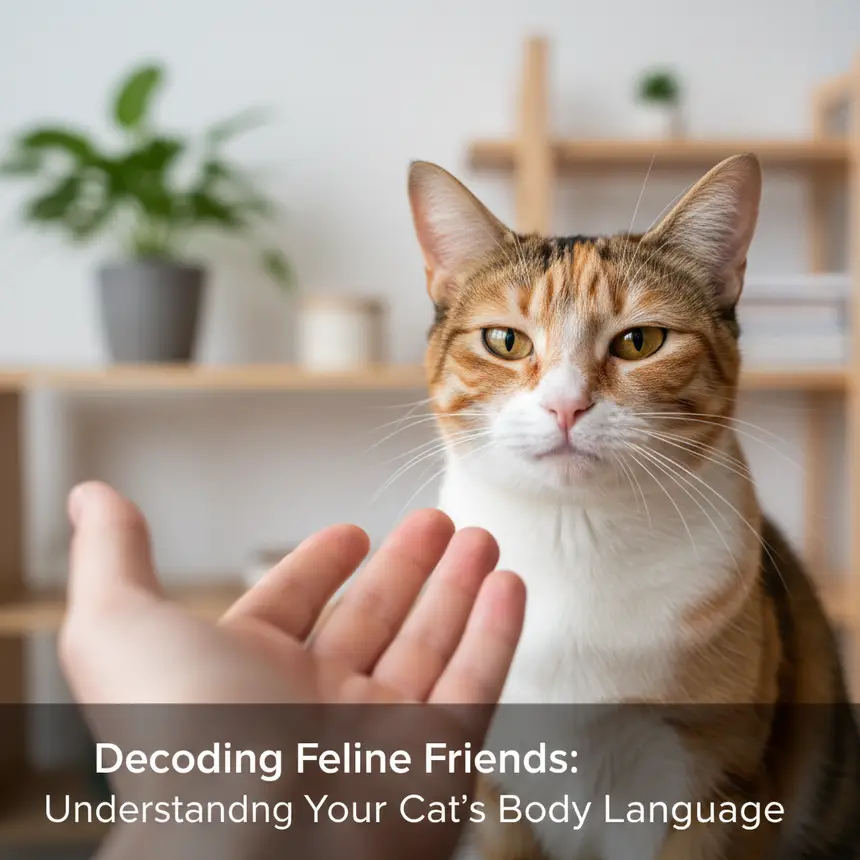
When should you worry about cat shedding? Learn to distinguish between normal seasonal shedding and hair loss signaling health issues. Discover tips for maintaining your cat's healthy coat.

Understanding Cat Hair Loss: A Guide to Healthy Coat Distinction
Witnessing your beloved cat shed excessively or noticing bald patches can be a source of worry for any pet owner. While some hair loss is a natural part of feline life, it can also signal underlying health issues. Knowing how to differentiate between normal shedding and more serious conditions is crucial for your cat's well-being. This article will provide clear guidelines to help you assess whether your cat's fur changes are typical seasonal shedding or indicate a problem requiring attention. We'll explore key indicators that help you determine when to simply observe and when to seek professional veterinary advice to ensure your feline friend maintains a healthy coat.

Detailed Differences: Normal Shedding Versus Abnormal Hair Loss
Changes in your cat's coat can stem from various causes. Normal shedding is predominantly linked to seasonal transitions; expect more fur around your home during spring and autumn. It's also natural for some areas, like above their eyes or in front of their ears, to appear sparsely covered, creating the illusion of hair loss. This is entirely normal. Furthermore, many cat breeds possess a double coat, which naturally results in more noticeable shedding during these periods.
In contrast, abnormal hair loss might manifest as distinct circular bald spots, reddened skin, or accompanying flakiness. These symptoms can point to fungal infections, external parasites, or allergic reactions. Excessive grooming, where a cat repeatedly licks a specific area, can also lead to hair loss. This behavior might be a response to skin irritation, pain, or environmental stress. Cats experiencing boredom, insufficient playtime, or general anxiety about their surroundings might over-groom. To manage stress-induced over-grooming, enrich your cat's environment with climbing structures, regular interactive play sessions, and secure hiding spots.
In contrast, abnormal hair loss might manifest as distinct circular bald spots, reddened skin, or accompanying flakiness. These symptoms can point to fungal infections, external parasites, or allergic reactions. Excessive grooming, where a cat repeatedly licks a specific area, can also lead to hair loss. This behavior might be a response to skin irritation, pain, or environmental stress. Cats experiencing boredom, insufficient playtime, or general anxiety about their surroundings might over-groom. To manage stress-induced over-grooming, enrich your cat's environment with climbing structures, regular interactive play sessions, and secure hiding spots.
※ This post contains affiliate links. I may earn a commission at no extra cost to you.


Observing and Preventing Hair Loss for Optimal Feline Coat Health
When monitoring your cat's fur changes, it's essential to look beyond just the amount of hair lost. Pay close attention to the condition of their skin and any accompanying behavioral shifts. If you notice redness, inflammation, or if your cat seems lethargic or has a reduced appetite alongside hair loss, it's always safest to consult with your veterinarian promptly.
For daily coat health maintenance, regular brushing is invaluable. This practice helps remove loose hair, minimizes matting, and stimulates healthy blood circulation in the skin. A balanced diet is also fundamental; high-quality protein and essential fatty acids contribute significantly to strong skin and a lustrous coat. Managing indoor humidity levels can prevent dry skin and reduce dandruff. While all cats will experience shedding throughout their lives, diligent observation and appropriate care can minimize unnecessary worry and help your feline companion maintain a beautiful, healthy coat.
For daily coat health maintenance, regular brushing is invaluable. This practice helps remove loose hair, minimizes matting, and stimulates healthy blood circulation in the skin. A balanced diet is also fundamental; high-quality protein and essential fatty acids contribute significantly to strong skin and a lustrous coat. Managing indoor humidity levels can prevent dry skin and reduce dandruff. While all cats will experience shedding throughout their lives, diligent observation and appropriate care can minimize unnecessary worry and help your feline companion maintain a beautiful, healthy coat.
Frequently Asked Questions
Q. When is cat shedding typically the heaviest?
A. Cat shedding is generally most intense during seasonal transitions, particularly in spring and autumn. During these times, it's normal for them to shed more fur than usual.
Q. What should I suspect if my cat keeps licking a specific area?
A. Excessive licking of a particular spot can be caused by various factors, including skin irritation, pain, or stress. It's advisable to check the area for redness or wounds and to assess for potential stressors in their environment.
Q. What should I do if my cat has circular bald spots with reddened skin?
A. Circular bald spots accompanied by reddened skin could indicate a fungal infection. In such cases, a visit to the veterinarian is necessary for an accurate diagnosis and appropriate management.
Q. What nutrients are beneficial for a cat's fur health?
A. For healthy feline fur, high-quality protein and essential fatty acids like Omega-3 and Omega-6 are crucial. These nutrients help strengthen the skin barrier and add shine to the coat.