If your dog is experiencing bloody urine or difficulty urinating, it might be more than just a simple bladder infection. Learn about the symptoms, diagnosis, and comprehensive management strategies for dog bladder stones to prevent recurrence.

When Your Furry Friend Struggles to Urinate, It Could Be More Than a Minor Issue
Observing your beloved dog pacing anxiously by the door, straining to urinate with little success, can be incredibly distressing for any pet owner. When only a few drops emerge, sometimes tinged with red, and they're making frequent trips to their potty spot, it's natural to immediately suspect a bladder infection. Such urinary difficulties can significantly disrupt a dog's daily life, causing considerable discomfort for them and deep concern for you. These symptoms can be particularly alarming and severe when underlying conditions like canine bladder stones are involved.
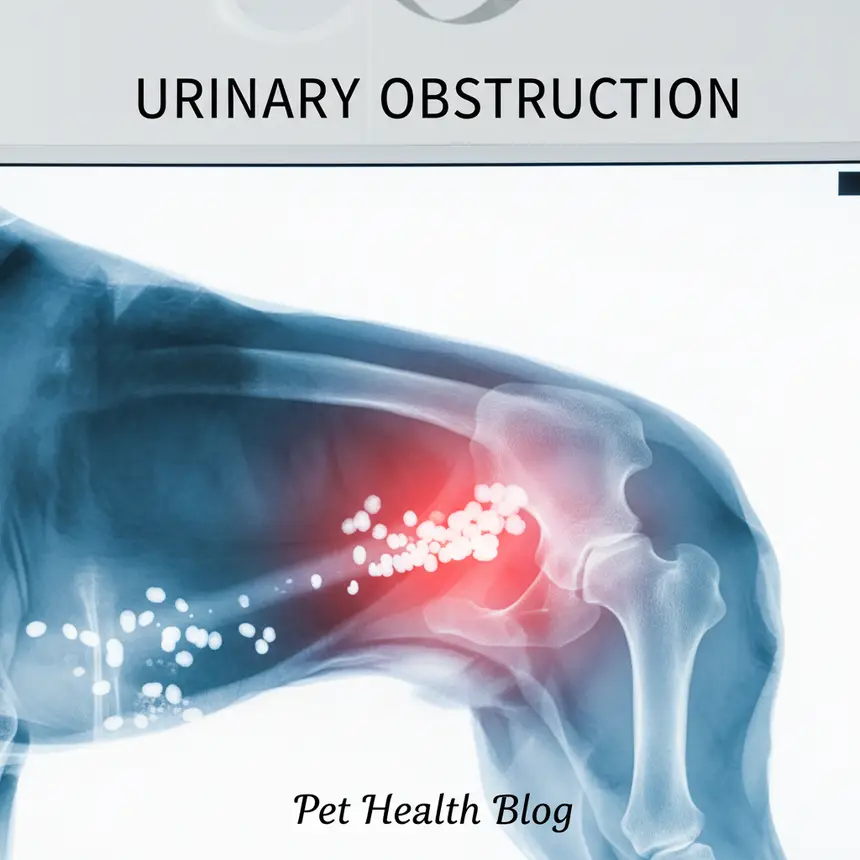
Uncovering the Hidden Causes Behind Your Dog's Urinary Distress
While bloody urine and difficulty urinating in dogs can sometimes indicate a simple, temporary bladder inflammation, these symptoms often point to more serious underlying problems. If your dog is passing very little urine or only managing a few drops with great effort, it could signal a complete urethral blockage, which is considered an emergency. Male dogs are particularly susceptible due to their longer, narrower urethras, where even a small stone can cause an abrupt obstruction. Delaying accurate diagnosis and prompt action by assuming it's just a simple bladder infection can lead to severe complications over time, including kidney function decline and electrolyte imbalances. Therefore, understanding the true cause and acting swiftly is paramount.
※ This post contains affiliate links. I may earn a commission at no extra cost to you.

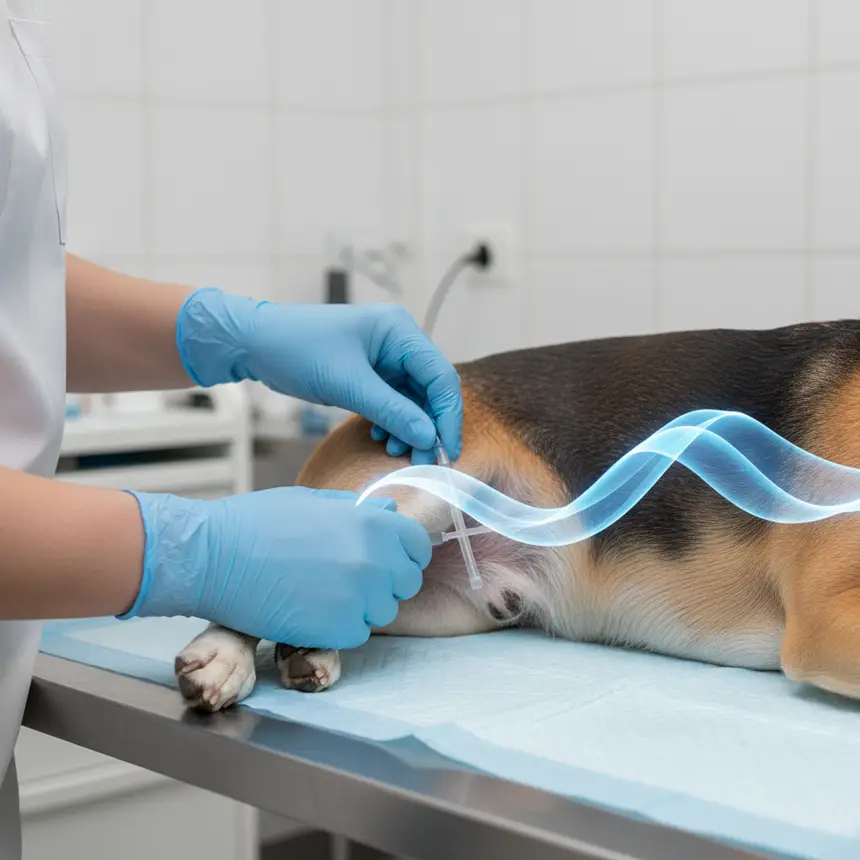
A Holistic Approach to Resolving Urinary Challenges
Effectively managing urinary issues in dogs requires a holistic strategy that goes beyond merely alleviating symptoms; it demands identifying and addressing the root cause. If a urethral obstruction is confirmed, initial efforts often involve non-invasive methods to relieve the blockage. For instance, procedures like retrograde urohydropropulsion can help move stones back into the bladder, followed by catheter insertion to ensure proper urine flow. If bladder stones are present, careful surgical removal is often necessary. During this process, it's crucial to remove not only visible large stones but also any tiny fragments to prevent recurrence. Post-removal, analyzing the stone composition—whether struvite, calcium oxalate, or urate—is essential. This analysis is critical for formulating a personalized long-term diet and lifestyle plan.
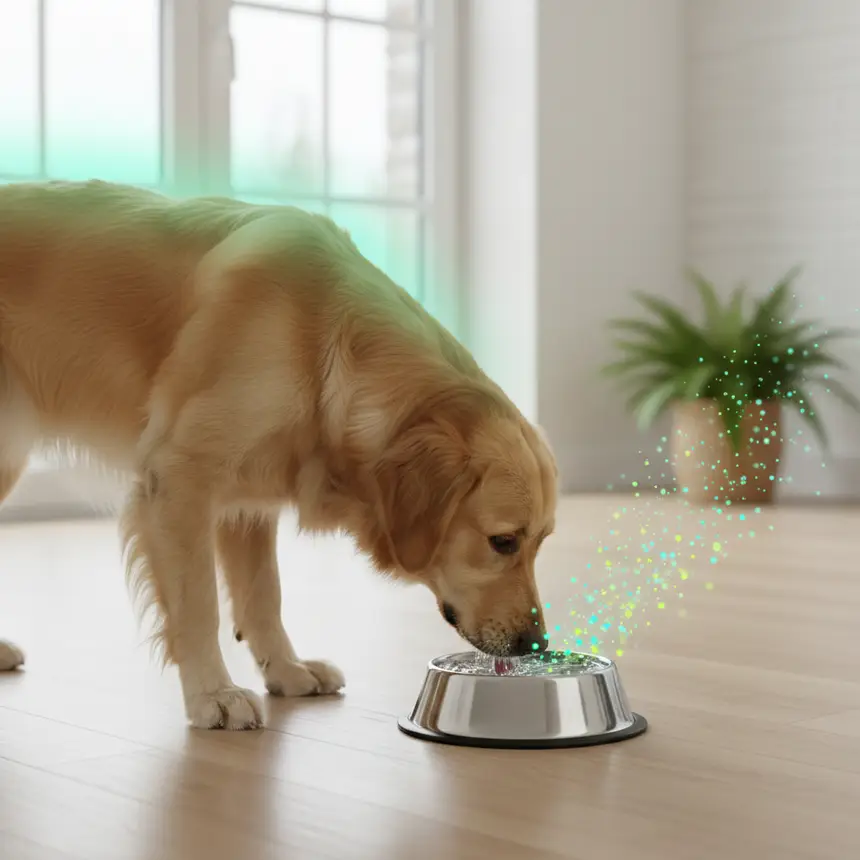
Practical Guidelines for Pet Owners to Support Urinary Health
As a pet owner, there are several concrete steps you can take to safeguard your dog's urinary well-being:
- Manage Water Intake: Always provide ample fresh water. Consider incorporating wet food or adding a bit of broth to their water to encourage more drinking. Adequate hydration helps dilute urine, which can deter stone formation.
- Ensure Frequent Potty Breaks: Allow your dog ample opportunities to urinate when they need to. Increase walk frequency or make good use of potty pads to prevent them from holding urine for too long.
- Tailored Nutritional Management: Different types of stones require specific dietary approaches. For example, a low-purine diet might be recommended for urate stones, while diets with controlled mineral content are ideal for struvite stones. Consulting with your veterinarian to select the most appropriate food or supplements is vital.
- Observe Urine Habits Closely: Daily, pay close attention to your dog's urine color, odor, and posture during urination. If you notice any unusual changes, seek professional veterinary advice immediately. Early detection is the best way to prevent minor issues from escalating.
- Regular Health Check-ups: Even if your dog shows no symptoms, routine veterinary check-ups are essential for detecting and managing potential problems early, which is crucial for long-term health.

Guard Your Dog's Healthy Urinary Habits Through Consistent Care and Attention
Your dog's urinary health is a critical aspect that goes beyond temporary discomfort, significantly impacting their overall well-being and quality of life. As important as immediate interventions like stone removal is the ongoing management to prevent recurrence. A diet tailored to the specific stone type, consistent adequate hydration, and regular health check-ups are all indispensable components for maintaining a healthy urinary system. To ensure your dog can urinate comfortably and enjoy a vibrant life, your keen observation and close collaboration with veterinary professionals must continue. By paying attention to even the slightest changes in your dog and actively engaging in their health management, your cherished companion can enjoy a happier, healthier life.
Frequently Asked Questions
Q. If my dog urinates frequently but only in small amounts and seems to strain, is it always due to stones?
A. Not necessarily. It could also be a symptom of a bladder infection or other urinary tract issues. However, if the urine volume is very small or if there's blood in the urine, it could indicate an emergency like a urethral obstruction. It's crucial to visit a veterinarian for an accurate diagnosis.
Q. If stones are surgically removed, does that mean they won't recur?
A. Surgical removal addresses the immediate problem, but recurrence is likely if the underlying causes are not managed. Continuous management, including a tailored diet based on the stone type, ample hydration, and regular urine tests, is essential for prevention.
Q. What's the most important thing I can do at home for my dog's urinary health?
A. The most crucial thing is to encourage sufficient water intake. Always provide clean, fresh water, and try to increase their fluid consumption by feeding wet food or placing multiple water bowls. Also, ensuring they have ample opportunities to relieve themselves so they don't hold their urine is important.
Q. Are certain types of urinary stones linked to genetics?
A. Yes, some types of urinary stones have a genetic component. For instance, Urate stones are more common in certain breeds and can have a genetic predisposition. If there's a family history, more vigilant care is necessary.
Q. What should I do if my dog doesn't drink much water normally?
A. Try placing water bowls in multiple locations and using clean, hygienic materials like stainless steel or glass. Adding ice cubes to the water or a small amount of unsalted broth can also encourage drinking. Additionally, feeding wet food can naturally increase their fluid intake.