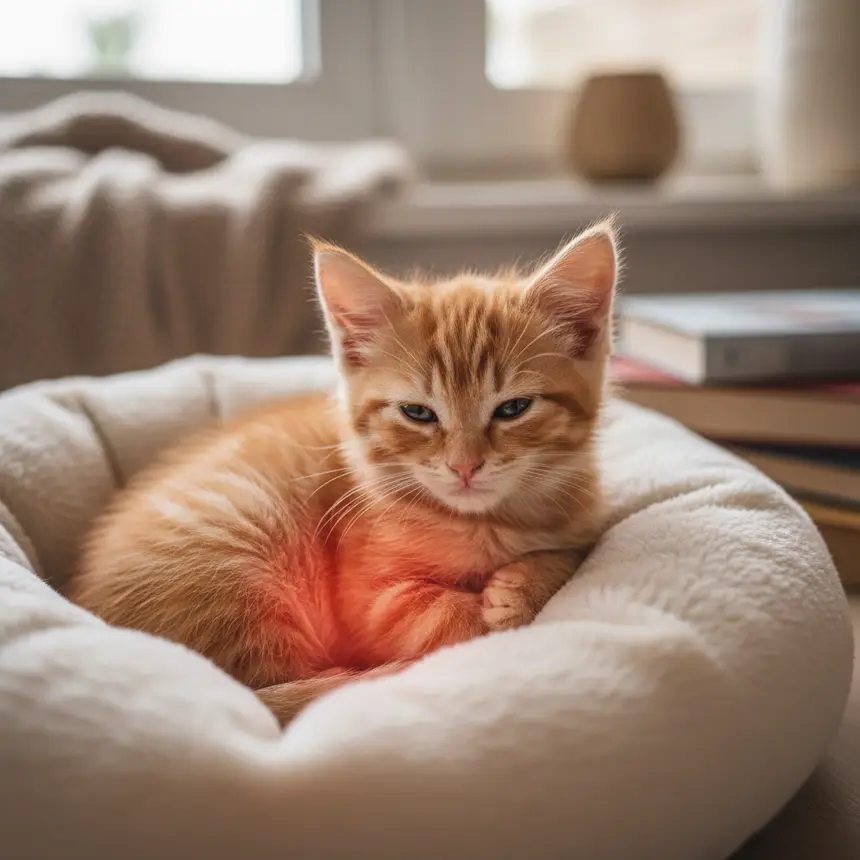
A clean habitat is essential for your pet's health and happiness. Discover effective pet enclosure cleaning routines and hygiene practices to provide a safe, pristine living environment for your beloved companion.

Is Your Pet's Habitat Signaling a Hidden Hygiene Issue?
Life with our beloved pets is usually filled with joy, but sometimes we notice subtle changes that spark concern: a faint odor near their enclosure, duller fur, or a slight dip in their usual energy. These small alterations might be your pet's way of signaling that their living environment needs attention. Just as a cluttered or unclean human living space can affect well-being, a clean and hygienic environment is fundamental to your pet's health. This is especially true for small animals, reptiles, and birds that spend their lives in confined spaces, where habitat cleanliness becomes paramount. So, take a moment to consider: is your pet's current enclosure as clean and safe as it could be?
The Impact of Neglected Enclosure Maintenance on Pet Health
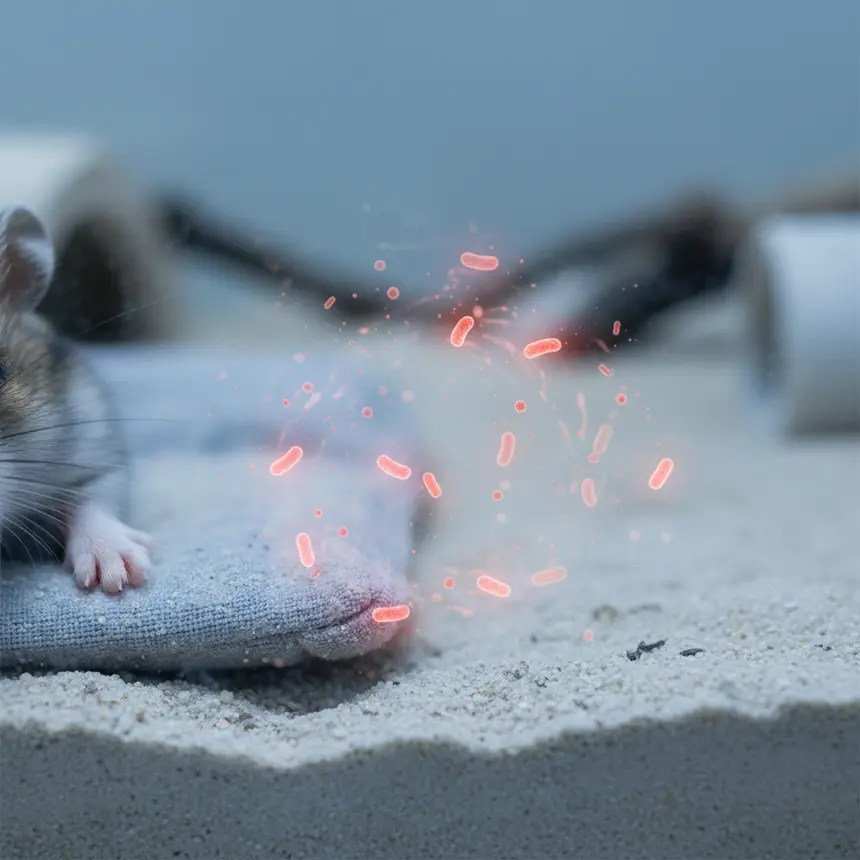
When a pet's living environment isn't properly maintained, it can lead to a variety of health complications. Over time, bedding, hideouts, and water dishes accumulate waste, food debris, fur, and dust. These contaminants create an ideal breeding ground for bacteria and fungi, which can contribute to skin conditions, respiratory issues, and digestive problems in pets. For instance, a dirty water bowl can become a haven for pathogens, leading to diarrhea or intestinal infections, while accumulated dust can trigger allergic reactions or breathing difficulties. Furthermore, an unhygienic habitat can induce stress, potentially weakening the immune system and leading to behavioral changes. Thus, maintaining a pristine environment is not just about tidiness; it's the foundational step in proactive health management for your animal companion.
※ This post contains affiliate links. I may earn a commission at no extra cost to you.

Step-by-Step Routine for a Spotless Pet Enclosure
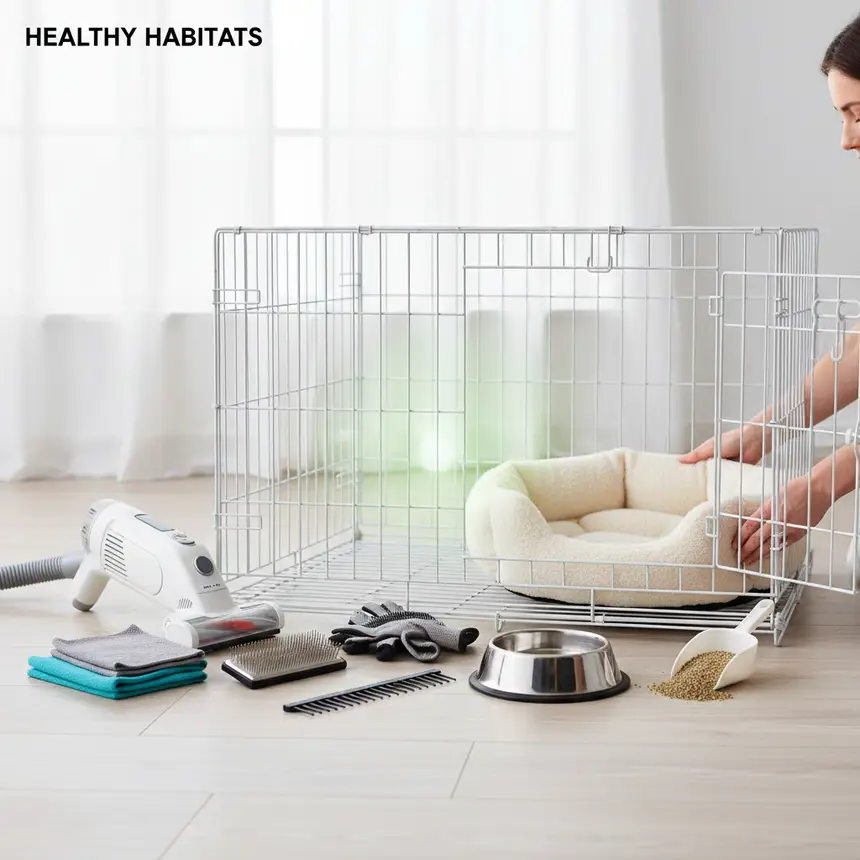
One of the most effective ways to safeguard your pet's health is through regular and thorough enclosure cleaning. Here is a step-by-step routine for fostering a clean and comfortable habitat:
1. Complete Removal and Disposal of Old Substrate: Used bedding is highly likely to be contaminated with waste and moisture, so it's crucial to remove and discard all of it. Replacing the entire substrate, rather than just spot-cleaning, is key for hygiene.
2. Cleaning Internal Structures and Accessories: Remove all items from the enclosure, such as hideaways, tunnels, toys, water dispensers, and food bowls. Wash them thoroughly with a mild detergent and warm water, then allow them to dry completely. Water bowls, in particular, should be cleaned daily and refilled with fresh water.
3. Vacuuming Fine Dust and Debris from Inside the Enclosure: Corners and crevices of the enclosure often accumulate unseen dust and debris. Use a small brush or vacuum cleaner nozzle to meticulously clear these areas.
4. Disinfection and Drying: After cleaning, disinfect the entire interior of the enclosure with a pet-safe disinfectant. Wipe it down again with clean water to remove any residue, and ensure it dries completely to prevent mold growth.
5. Setting Up New Substrate: Once the enclosure is clean and dry, spread fresh, hygienic substrate suitable for your pet's species evenly. Opt for materials that help regulate humidity or produce minimal dust.
6. Cleaning Exterior Glass and Walls: The outside glass panels and walls of the enclosure should also be cleaned to maintain visibility and overall cleanliness.
1. Complete Removal and Disposal of Old Substrate: Used bedding is highly likely to be contaminated with waste and moisture, so it's crucial to remove and discard all of it. Replacing the entire substrate, rather than just spot-cleaning, is key for hygiene.
2. Cleaning Internal Structures and Accessories: Remove all items from the enclosure, such as hideaways, tunnels, toys, water dispensers, and food bowls. Wash them thoroughly with a mild detergent and warm water, then allow them to dry completely. Water bowls, in particular, should be cleaned daily and refilled with fresh water.
3. Vacuuming Fine Dust and Debris from Inside the Enclosure: Corners and crevices of the enclosure often accumulate unseen dust and debris. Use a small brush or vacuum cleaner nozzle to meticulously clear these areas.
4. Disinfection and Drying: After cleaning, disinfect the entire interior of the enclosure with a pet-safe disinfectant. Wipe it down again with clean water to remove any residue, and ensure it dries completely to prevent mold growth.
5. Setting Up New Substrate: Once the enclosure is clean and dry, spread fresh, hygienic substrate suitable for your pet's species evenly. Opt for materials that help regulate humidity or produce minimal dust.
6. Cleaning Exterior Glass and Walls: The outside glass panels and walls of the enclosure should also be cleaned to maintain visibility and overall cleanliness.
Practical Tips for Efficient, Stress-Free Cleaning
To make enclosure cleaning more efficient and less stressful for your pet, consider these helpful tips:
- Establish a Schedule: Determine a cleaning frequency based on your pet's species and living conditions. For small animals, daily spot cleaning and weekly full cleanings are common. For reptiles or birds, weekly spot cleaning and a monthly deep clean might suffice. However, adjust frequency based on how quickly the enclosure becomes soiled.
- Use Safe Cleaning Supplies: Always use natural-ingredient cleaners or specialized pet-safe disinfectants. Harsh chemical cleaners or bleach should never be used, as they can be harmful to your pet.
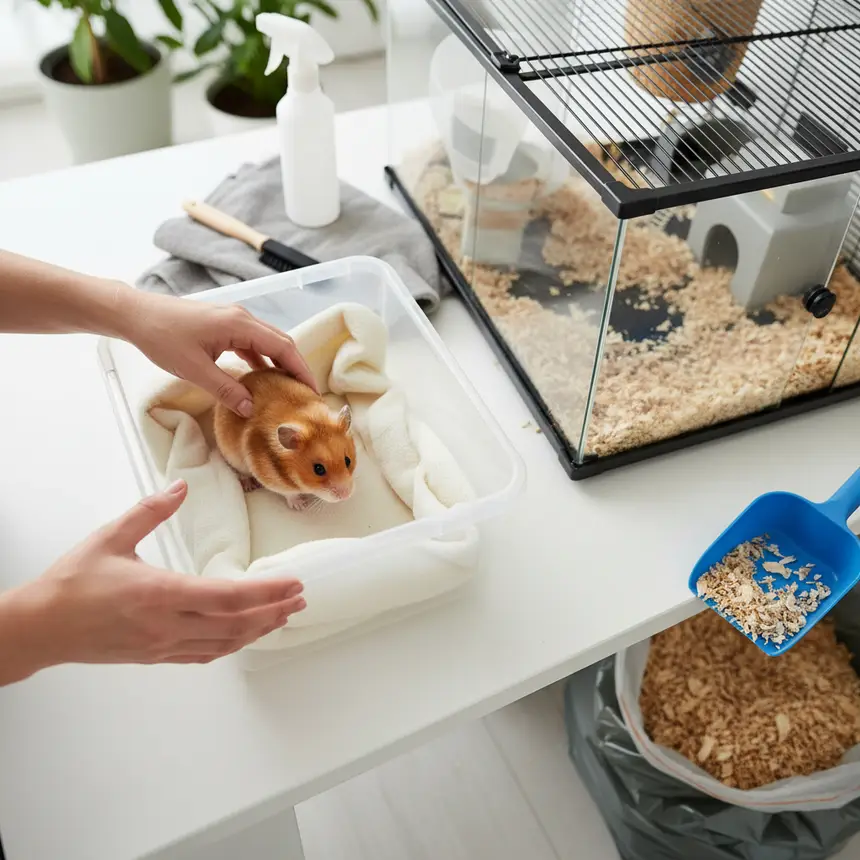
- Prepare a Temporary Sanctuary: Set up a safe, temporary space (e.g., a carrier, a clean auxiliary cage) where your pet can comfortably stay during cleaning. Including a familiar blanket or toy can provide comfort.
- Minimize Cleaning Time: While being thorough, try to complete the cleaning process as quickly as possible to reduce your pet's time in the temporary space, helping to minimize anxiety.
- Thorough Hand Washing: Always wash your hands thoroughly before and after cleaning to prevent cross-contamination.
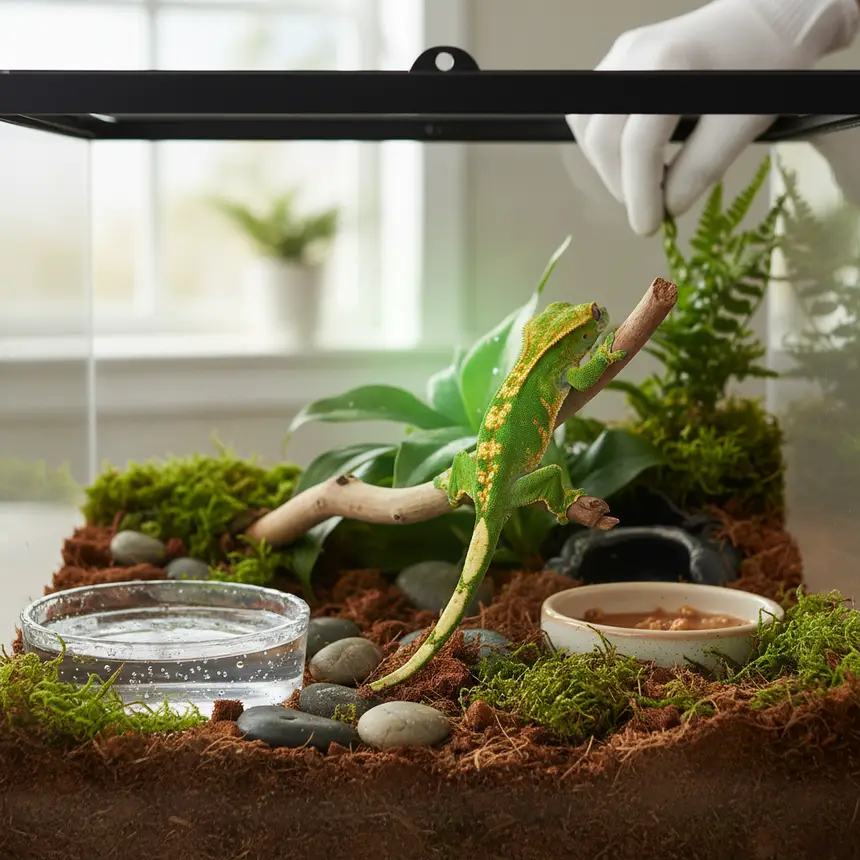
A Pristine Environment: The Foundation of a Healthy Pet
Cleaning your pet's enclosure is far more than just tidying up a space; it's a fundamental practice for safeguarding their health and happiness. Providing a hygienic environment through regular cleaning not only prevents illness but also significantly contributes to your pet's emotional stability and vibrant lifestyle. In a clean and well-maintained habitat, your pet will feel more comfortable and content, which in turn deepens the bond you share. We encourage you to use this guide as a foundation for consistently maintaining your pet's living space, fostering a healthy and joyful companionship for years to come.
Frequently Asked Questions
Q. How often should I clean my pet's enclosure?
A. Cleaning frequency varies based on your pet's species, size, habitat type, and how quickly it gets soiled. Generally, daily spot cleaning and weekly full cleaning are recommended for small animals. Reptiles and birds might require weekly spot cleaning and a monthly deep clean. Always observe your pet's enclosure carefully and clean more often if needed.
Q. What cleaning products are safe to use for my pet's enclosure?
A. It's best to use cleaners made with natural ingredients or specialized pet-safe disinfectants. A diluted solution of vinegar and water can also be effective for disinfection, but ensure you rinse thoroughly with clean water afterward to remove all residue. Avoid harsh chemical cleaners or bleach, as these can be detrimental to your pet's health.
Q. Where should I keep my pet safely during cleaning?
A. During cleaning, it's crucial to provide a safe, stress-free temporary space for your pet. A carrier or another clean auxiliary cage with a familiar blanket, toy, and water dish can help them feel secure. This temporary space should be kept far enough from the enclosure being cleaned to avoid exposure to cleaning product fumes or excessive noise.
Q. What should I consider when choosing substrate for the enclosure?
A. The substrate should be chosen based on your pet's species and natural habits. For example, tropical species may benefit from substrates that retain humidity, while desert species need those that stay dry. It's also important to select natural materials that produce minimal dust and are non-toxic to protect your pet's respiratory health and safety.
Q. What if the enclosure still smells bad after cleaning?
A. If an odor persists after cleaning, re-evaluate if any areas were missed or if the smell has permeated the substrate itself. Ensure all structures have been thoroughly cleaned and check for hidden contamination in crevices of the enclosure walls or floor. Using odor-absorbing substrates or improving ventilation around the enclosure can help. Persistent strong odors can sometimes signal an underlying health issue, so consulting a veterinarian or pet expert is recommended if the problem continues.