Discover the essential guide to choosing the right slicker brush and mastering proper brushing techniques for your dog's healthy coat. Get vital grooming tips for a shiny coat and a happy pet.

H2. Achieving a Radiant Coat and a Happy Dog: The Foundation of Proper Grooming
Regular grooming is more than just aesthetics for your dog; it's a vital part of their overall health and well-being. Consistent and correct brushing untangles fur and removes dead hair, promoting skin health while deepening the bond between you and your canine companion. For breeds with long, easily matted coats or double coats, routine grooming is especially crucial. A well-maintained coat reduces discomfort for your dog, helps prevent skin issues, and can even lessen allergens in your home. Let's explore the secrets to cultivating a healthy, beautiful coat for your pet. You'll soon notice a significant improvement in their fur's condition and an increase in their vitality. It's essential to observe your dog carefully to ensure they remain comfortable during the brushing process.
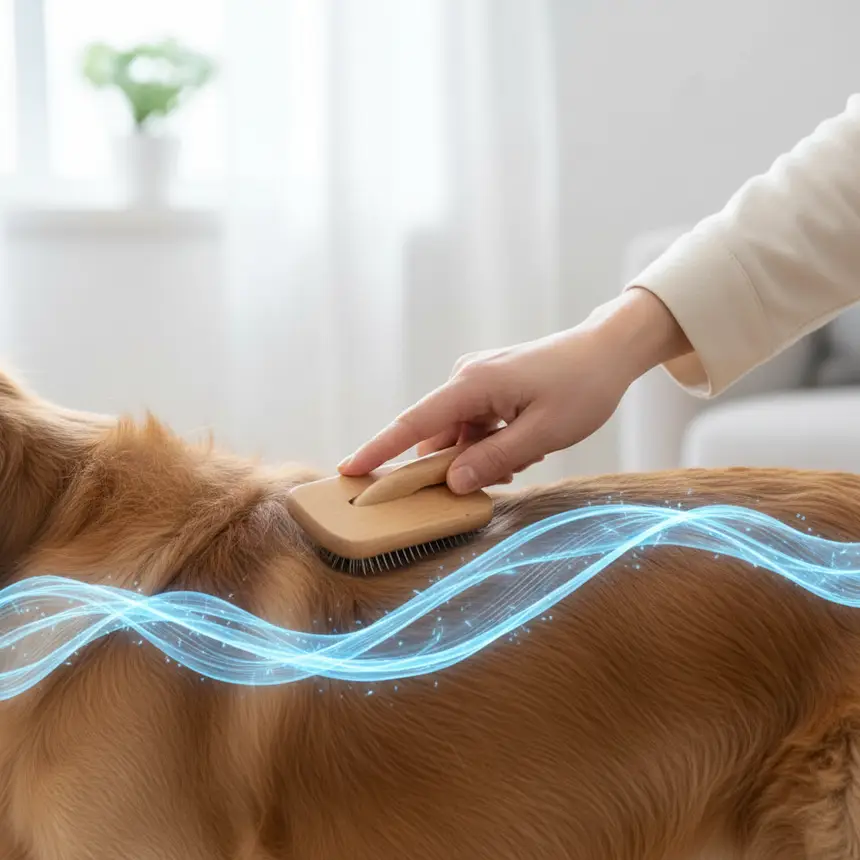
H2. Groom Like a Pro: Selecting and Using a Slicker Brush Effectively
To effectively manage your dog's coat, choosing the right tools is paramount. A slicker brush, in particular, excels at detangling knots and removing loose, dead hair. When selecting a slicker brush, look for one with pins embedded in a soft cushion pad to avoid irritating your dog's skin. The handle's ergonomics and weight are also important considerations. A comfortable grip minimizes wrist fatigue for the owner and allows for stable, controlled brushing.
Step-by-step guide for effective brushing:
Step-by-step guide for effective brushing:
- Step 1: Begin by dividing the coat into small, manageable sections. Gently loosen any initial tangles with your fingers before brushing.
- Step 2: Hold the brush parallel to the skin and stroke gently in the direction of hair growth. Be careful not to let the pins scratch the skin directly. Use a flicking wrist motion to ensure the brush reaches from the surface to the deeper layers of the coat.
- Step 3: Pay extra attention to areas prone to matting, such as behind the ears, inner thighs, armpits, and chest. Brush these areas thoroughly from multiple angles to remove all tangles.
- Step 4: After brushing, it's crucial to clean any trapped hair from the brush using a dedicated cleaning tool. This maintains hygiene, extends the brush's lifespan, and ensures optimal performance for future use. Regular cleaning is key to keeping your brush in top condition.
※ This post contains affiliate links. I may earn a commission at no extra cost to you.

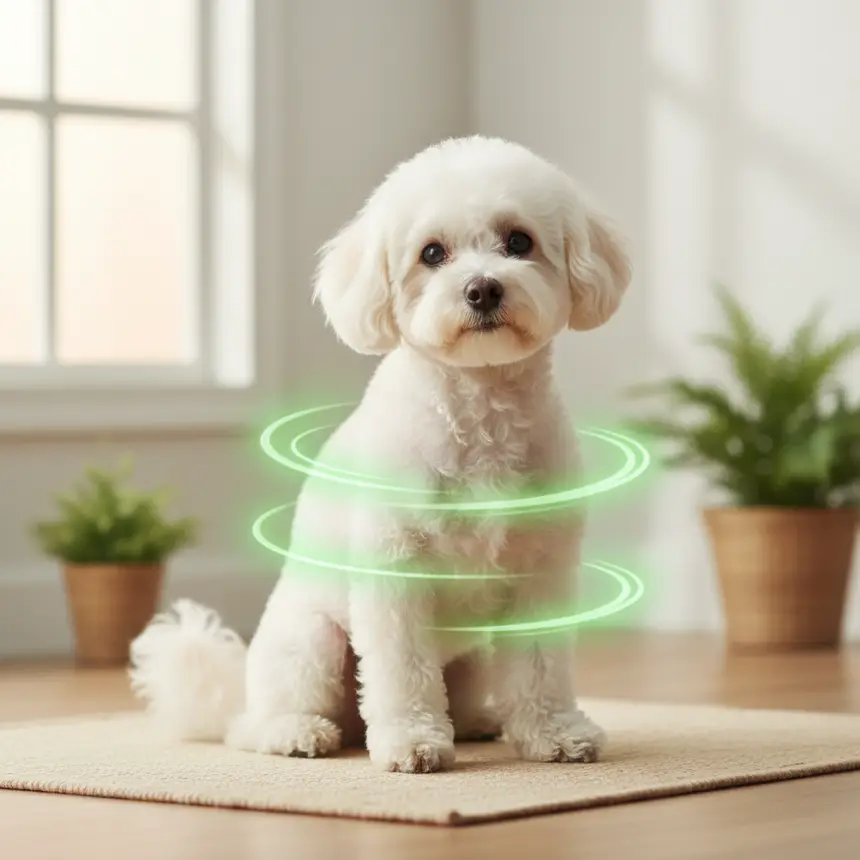
H2. Important Considerations and Recommended Breeds for Healthy Grooming
Consistency is key in dog grooming, but several precautions must be observed. First, always brush with gentle, short strokes. Forcibly pulling on matted fur can cause pain and create a negative association with brushing. If you encounter severe mats, it's safer to carefully cut them out with pet-specific scissors. Second, always check your dog's skin for any redness or abrasions during brushing. Third, it's crucial to make grooming a positive experience. Use treats and praise to help your dog view brushing as an enjoyable time.
Regular coat maintenance with a slicker brush is particularly recommended for the following types of dogs:
Consistent brushing is an investment in your dog's health and happiness. Provide your beloved pet with the best coat care using the right tools and techniques.
Regular coat maintenance with a slicker brush is particularly recommended for the following types of dogs:
- Long-haired breeds: Bichon Frise, Poodles, Maltese, Pomeranians, and others with long coats prone to tangling.
- Double-coated breeds: Samoyeds, Huskies, Golden Retrievers, and similar breeds with dense undercoats that shed heavily.
- Dogs with sensitive skin or allergies: Removing dead hair can reduce skin irritation and lessen potential allergens.
Consistent brushing is an investment in your dog's health and happiness. Provide your beloved pet with the best coat care using the right tools and techniques.
Frequently Asked Questions
Q. How often should I brush my dog?
A. This varies by breed and coat length, but generally, brushing daily or every 2-3 days is recommended. Long-haired or easily matted breeds should be brushed daily to prevent tangles.
Q. My dog seems to be in pain when I use a slicker brush. What should I do?
A. If your dog shows discomfort during brushing, the brush pins might be pressing too hard on their skin, or you might be pulling on tangled fur. Hold the brush parallel to the skin and brush gently. It's crucial to detangle mats with your fingers first or carefully cut them out with pet-safe scissors.
Q. How do I clean hair out of the brush after grooming?
A. After brushing, you should thoroughly remove any hair caught between the brush pins using a dedicated cleaning tool or a comb. This maintains the brush's hygiene, prevents pin damage, and ensures optimal condition for the next use.
Q. Do I need other types of brushes besides a slicker brush?
A. While slicker brushes are effective for detangling and removing dead hair, additional brushes may be necessary depending on the coat type. For example, a pin brush can be used for tidying long coats or for finishing touches, and a de-shedding tool is useful for removing loose undercoat during shedding seasons.