Dog grooming is more than just aesthetics; it's vital for your pet's health and happiness. Learn proper dog grooming techniques and embark on a healthier pet-parent journey.

Can Your Dog's Health Begin with Grooming?
What can we do for the health and happiness of our beloved dogs? Many pet owners often view 'dog grooming' as merely a cosmetic activity, trimming fur to make their pets look pretty. However, dog grooming is far more than just external beauty; it's a crucial process for maintaining your canine companion's physical and mental well-being. Regular grooming helps prevent skin diseases, facilitates early detection of health issues, and deepens the bond with your pet. Is your dog truly maintaining optimal health through proper grooming practices? In this article, we will explore everything about dog grooming that can elevate your dog's health to the next level.
Why is Grooming Essential for Dogs? - Unveiling the Secrets to Their Well-being
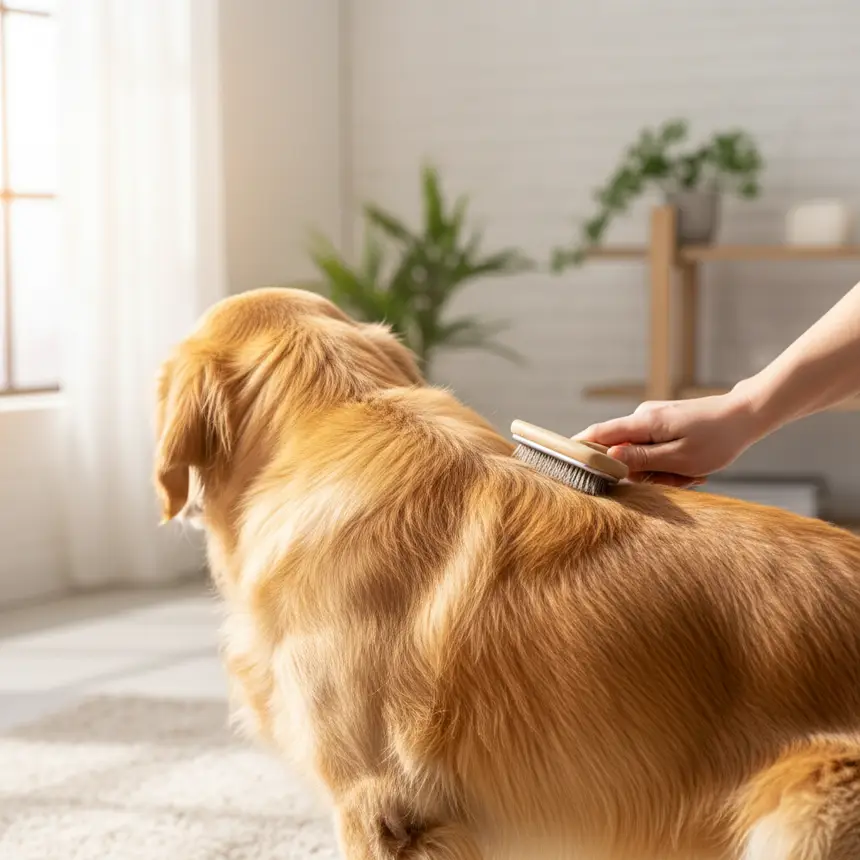
Dog grooming holds value beyond just aesthetics. It directly impacts your dog's overall health and quality of life. Firstly, it is critical for maintaining skin health. Regular brushing removes dead hair and promotes blood circulation in the skin, reducing the risk of dermatitis or allergies. Bathing also helps keep the skin clean by removing waste and harmful substances. Secondly, it provides a vital opportunity for early detection of health problems such as parasites, minor injuries, or lumps. By carefully examining your dog's body during grooming, you can quickly identify and address unusual signs that might otherwise go unnoticed. Thirdly, grooming prevents matting and helps regulate body temperature. Especially for long-haired breeds, matted fur can impede air circulation to the skin, leading to skin infections and, in severe cases, discomfort in movement. Lastly, grooming becomes a positive interaction that deepens trust and bonding between pet owners and their dogs. Gentle touches and praise provide a sense of security to your dog, which greatly contributes to their emotional health.
※ This post contains affiliate links. I may earn a commission at no extra cost to you.

Step-by-Step Dog Grooming: Master the Art Like a Pro
Effective dog grooming is a comprehensive management that combines several elements. By carefully following each step, you can take even better care of your dog.
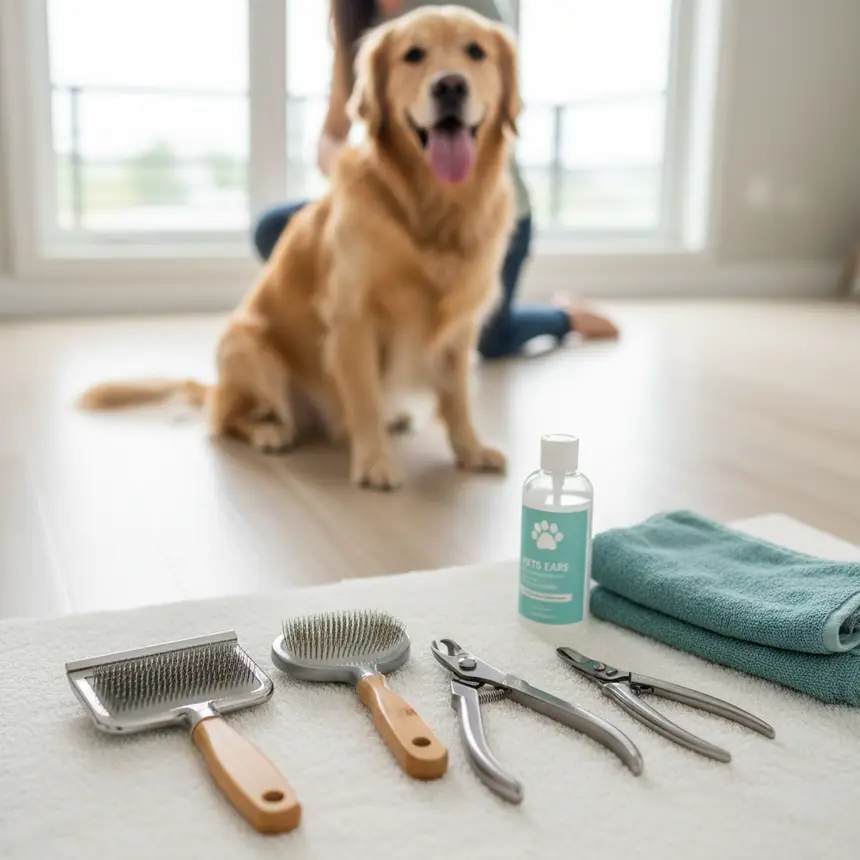
1. Brushing the Coat: It's important to choose a brush (slicker brush, pin brush, comb, etc.) that suits your dog's coat type and hair length. Brush short-haired dogs 2-3 times a week and long-haired dogs daily to remove dead and matted hair and to massage the skin. Gently detangle matted fur, being careful not to pull too hard.
2. Bathing: Generally, once a month is sufficient, but this can be adjusted based on activity level and skin condition. Use a dog-specific shampoo, thoroughly wet the entire coat with lukewarm water, then gently massage the shampoo in. When rinsing, it's crucial to wash thoroughly to ensure no residue remains. After bathing, dry completely with a hairdryer to prevent skin issues.
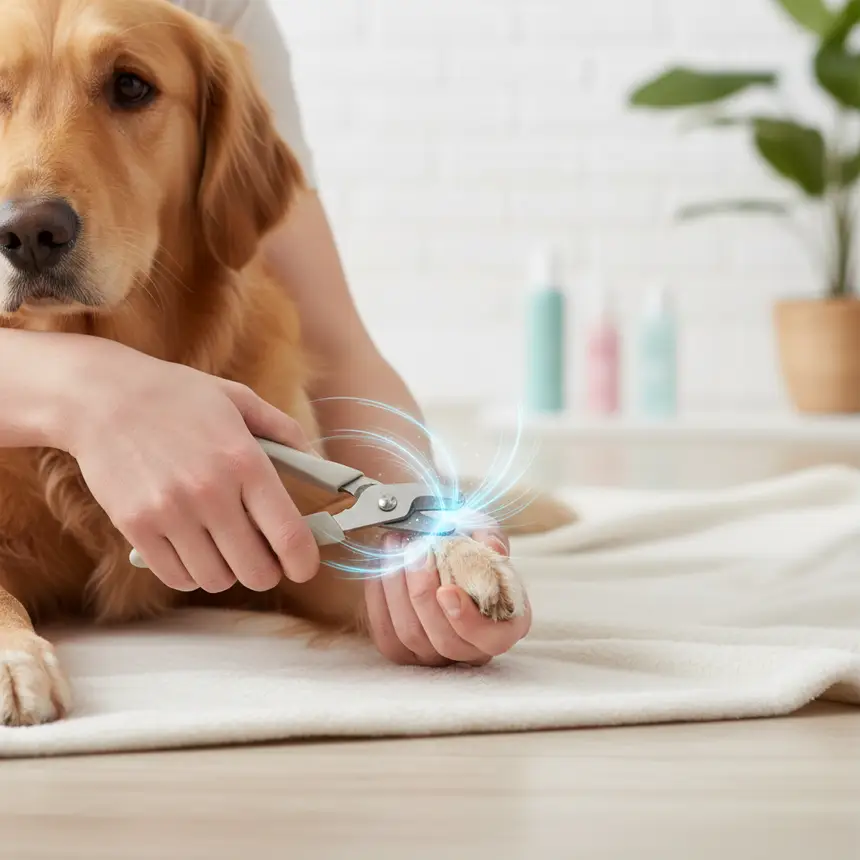
3. Nail Care: Nails should be trimmed about once or twice a month. Use dog-specific nail clippers and carefully cut only the clear tip of the nail. Be careful not to cut into the quick (blood vessel inside the nail); if you're uncomfortable, seeking professional help is a good option.
4. Ear Cleaning: The inside of the ear can become damp due to poor ventilation. Once a week, use a dog-specific ear cleaner with a soft gauze or cotton pad to gently wipe the inner ear flap. Avoid using cotton swabs as they can irritate the ear or push debris deeper inside. If you notice a foul odor or excessive scratching, consult a veterinarian.
5. Dental Care: Oral health is directly linked to overall health. Brushing daily with a dog-specific toothbrush and toothpaste is ideal. If your dog resists brushing, gradually get them used to it using dental treats or sprays.
1. Brushing the Coat: It's important to choose a brush (slicker brush, pin brush, comb, etc.) that suits your dog's coat type and hair length. Brush short-haired dogs 2-3 times a week and long-haired dogs daily to remove dead and matted hair and to massage the skin. Gently detangle matted fur, being careful not to pull too hard.
2. Bathing: Generally, once a month is sufficient, but this can be adjusted based on activity level and skin condition. Use a dog-specific shampoo, thoroughly wet the entire coat with lukewarm water, then gently massage the shampoo in. When rinsing, it's crucial to wash thoroughly to ensure no residue remains. After bathing, dry completely with a hairdryer to prevent skin issues.
3. Nail Care: Nails should be trimmed about once or twice a month. Use dog-specific nail clippers and carefully cut only the clear tip of the nail. Be careful not to cut into the quick (blood vessel inside the nail); if you're uncomfortable, seeking professional help is a good option.
4. Ear Cleaning: The inside of the ear can become damp due to poor ventilation. Once a week, use a dog-specific ear cleaner with a soft gauze or cotton pad to gently wipe the inner ear flap. Avoid using cotton swabs as they can irritate the ear or push debris deeper inside. If you notice a foul odor or excessive scratching, consult a veterinarian.
5. Dental Care: Oral health is directly linked to overall health. Brushing daily with a dog-specific toothbrush and toothpaste is ideal. If your dog resists brushing, gradually get them used to it using dental treats or sprays.
Practical Advice to Make Grooming a Joyful Experience
Making grooming time a positive experience for your dog is extremely important. Use the following tips to help your dog enjoy grooming.
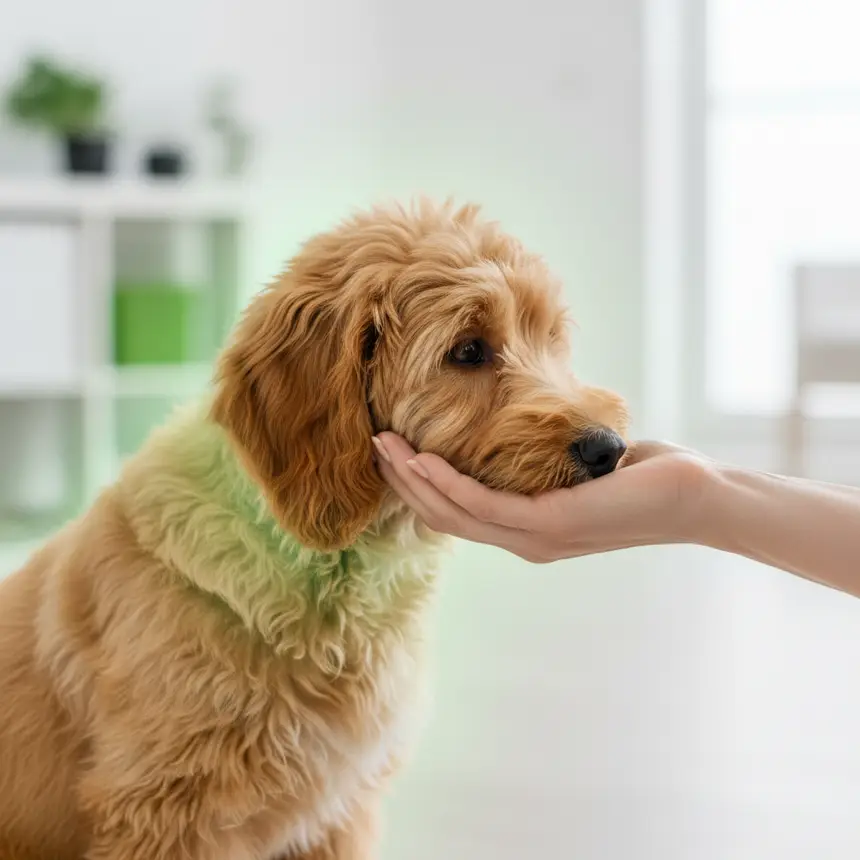
- Create Positive Associations: Don't skimp on treats or praise before and after grooming. Especially when your dog feels uncomfortable during grooming, it's crucial to pause and offer positive reinforcement to create good memories. Instill the idea that 'grooming = good thing'.
- Choose the Right Tools: Select soft and safe grooming tools that won't irritate your dog's skin and fur. Tools that are too rough or sharp can cause discomfort and make your dog dislike grooming.
- Start Short and Consistently: It's best to help puppies get used to grooming by conducting short, consistent sessions from an early age. Start with a few brush strokes or handling their paws, then gradually increase the duration.
- Understand Your Dog's Signals: You must observe and respect your dog's signals indicating discomfort or stress during grooming (yawning, lip licking, trembling, etc.). If stress is severe, it's better to pause or try again another day.
- Establish a Regular Routine: Conduct grooming at a consistent time and place to help your dog feel predictable and secure. This helps your dog accept grooming as a natural part of their daily life.
Consistent Grooming: A Pledge for a Happy Life Together
Dog grooming is not just a duty but a vital role for pet owners to protect their dog's health and provide them with a happy life. Through regular grooming, dogs can lead cleaner, healthier, and happier lives. Furthermore, grooming time becomes a precious opportunity for pet owners and their dogs to focus on each other, interact, and exchange love. Start a consistent grooming routine today to safeguard your dog's radiant health and happiness. This will make your journey with your canine companion even richer and more meaningful.
Frequently Asked Questions
Q. How often should I groom my dog?
A. It depends on your dog's coat type, activity level, and skin condition. Generally, brushing should be done daily or 2-3 times a week, and bathing once a month is appropriate. Nail trimming is recommended once or twice a month, and ear cleaning about once a week.
Q. What's the most important thing to watch out for when grooming at home?
A. The most important aspect is to create a gentle and positive environment so your dog doesn't get stressed. Be careful not to cut the quick when trimming nails, avoid using cotton swabs for ear cleaning, and ensure the fur is completely dry after bathing to prevent skin problems.
Q. What if my dog dislikes grooming?
A. If your dog dislikes grooming, it's important to gradually train them by starting with short sessions rather than forcing it. Use positive reinforcement (treats, praise) to create good memories of grooming, and pay attention to your dog's discomfort signals to stop or adjust your approach.
Q. Do puppies need grooming too?
A. Yes, it's very important to get puppies accustomed to grooming from an early age. Early exposure to brushing, bathing, and handling paws will reduce their resistance to grooming as adults, making future care much easier.
Q. Does grooming vary by coat type?
A. Yes, the type of brush used, brushing frequency, and bathing methods can vary depending on the length and texture of the coat. For example, long-haired breeds need daily brushing and more attention to prevent matting, while short-haired breeds are relatively easier to maintain but benefit from rubber brushes for shedding.