Timing your summer dog walks is crucial. Discover the optimal times to walk your dog and essential tips to protect their health and safety during hot weather. Learn how to protect paws from hot pavements and prevent heatstroke with practical advice.

The Key to Healthy Summer Strolls: Vitality and Safety for Your Canine Friend
Summer brings joyful moments with our dogs, but it also demands heightened awareness, especially when it comes to outdoor activities. Scorching pavements can inflict severe burns on your dog's paws, and their limited ability to regulate body temperature puts them at high risk of life-threatening heatstroke. Therefore, choosing the right summer dog walk times is paramount for safeguarding your pet's health and well-being. By simply adjusting your schedule, your dog can enjoy comfortable, refreshing walks, relieving stress and maintaining their usual zest. A successful summer walk begins not with how cool the air feels to you, but by actively checking the temperature of the ground your dog will be walking on. Pavement temperatures can be significantly hotter than ambient air, making pre-walk checks an essential habit.

Strategic Timing and Essential Gear for Safe Summer Dog Walks
The most ideal times for walking your dog during summer are early mornings, typically between 6:00 AM and 8:00 AM, before the sun fully rises, and in the evenings after 8:00 PM, once the sun has completely set. During these periods, both the air and ground temperatures are considerably lower, allowing your dog to stay cooler and safer. Conversely, it is best to avoid walks from 10:00 AM to 5:00 PM when the sun is at its strongest and pavement temperatures peak. A simple method to check ground temperature is to place the back of your hand on the asphalt for about five seconds. If it feels too hot for your hand, it's certainly too hot and dangerous for your dog's paws. In such cases, postpone the walk or find cooler alternatives like grassy parks. Even if your dog usually enjoys an hour-long walk, it's wise to reduce summer walks to 20-30 minutes. Always carry water and a portable bowl to prevent dehydration, and consider using cooling vests or bandanas to help regulate their body temperature. Planning routes that offer shaded resting spots is also a smart strategy.
※ This post contains affiliate links. I may earn a commission at no extra cost to you.

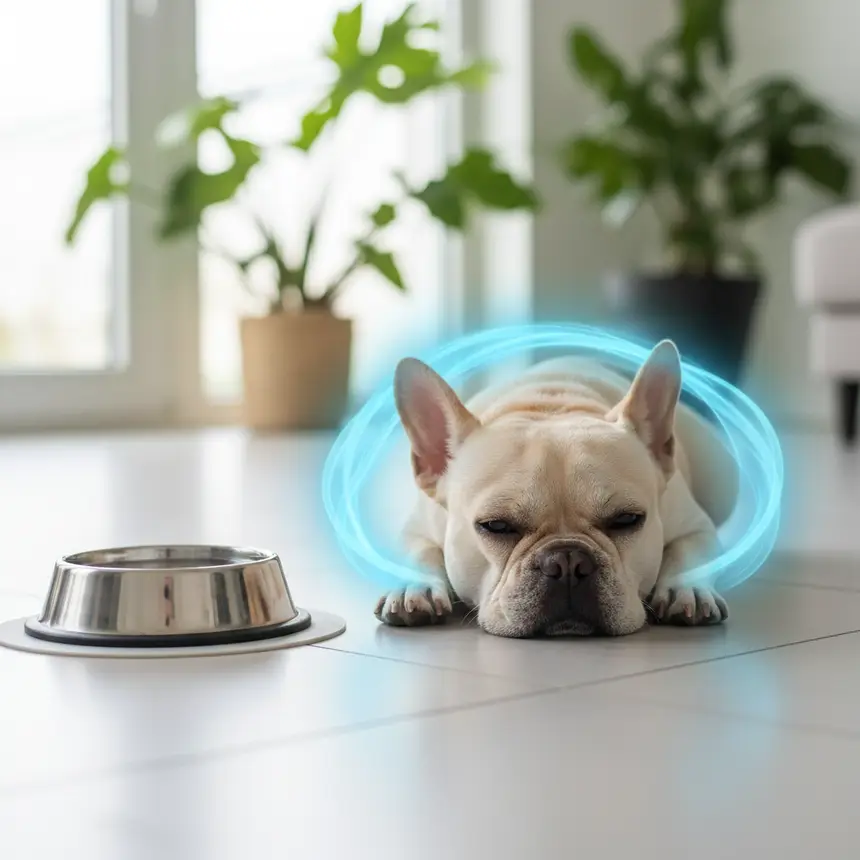
Heat Safety: Precautions and Indoor Alternatives for Your Dog's Well-being
If your dog starts panting excessively or appears unusually lethargic during a summer walk, discontinue the activity immediately. Pay close attention to their tongue and gum color; a deeper red than usual can be an early sign of heatstroke. Should these symptoms appear, move your dog to a cool area at once to help lower their body temperature. If their condition does not improve or if you have any concerns, it's crucial to consult a veterinarian promptly. Young puppies, senior dogs, and brachycephalic breeds like Pugs or French Bulldogs are particularly vulnerable to heat and require extra care. On extremely hot days, substitute strenuous outdoor activities with indoor alternatives that allow your dog to expend energy safely. Activities such as nose work, hidden toy games, or simple indoor training sessions can provide mental stimulation and physical activity, helping your dog relieve stress safely. Utilizing professional facilities like indoor dog parks or daycares can also be an excellent option during heatwaves.
Frequently Asked Questions
Q. Why are midday walks particularly dangerous for dogs in summer?
A. During summer afternoons, pavement surfaces like asphalt can become significantly hotter than the air temperature. Since dogs walk barefoot, this intense heat transfers directly to their paw pads, causing burns. Their limited ability to regulate body temperature also makes them highly susceptible to heatstroke.
Q. How can I check if the ground is too hot for my dog's paws before a walk?
A. The simplest method is to place the back of your hand on the asphalt or sidewalk for about five seconds. If it feels too hot for your hand to hold comfortably, it's definitely too hot and dangerous for your dog's sensitive paws. In this situation, it's best to postpone the walk or find a cooler, grassy area.
Q. What signs indicate that my dog might be overheating?
A. Signs include excessive panting, lethargy, gums and tongue that appear darker red than usual, and staggering. If you observe any of these symptoms, immediately move your dog to a cool spot, help them cool down, and consult a veterinarian.
Q. Should I avoid walking my dog entirely on extremely hot days?
A. Instead of skipping walks entirely, it's better to adjust the timing to cooler parts of the day or significantly shorten the walk duration. On extremely hot days, it's safer to substitute outdoor walks with indoor activities like nose work, training, or puzzle toy play to help your dog get exercise and relieve stress.
Q. What essential items should I bring on a summer dog walk?
A. Water and a portable bowl are essential to prevent dehydration. It's also beneficial to bring cooling vests or bandanas that can help shield them from the sun and lower their body temperature. Additionally, identifying shaded areas for rest along your route is a helpful strategy.