Effective pet health management is key to your family's happiness. Learn how to wisely approach chronic conditions like feline diabetes, pancreatitis, and senior dog ailments to enhance your pet's quality of life.
Discover the crucial role of expert veterinary care and daily management in this comprehensive guide.

Don't Overlook Subtle Changes in Your Pet's Health
One day, you might notice your cat drinking significantly more water or losing weight despite eating more than usual. Or perhaps your usually energetic dog seems unusually lethargic and less active. These subtle shifts might seem like normal signs of aging, but they can often be crucial warning signals in pet health management. Since pets cannot clearly articulate their discomfort, a vigilant owner's observation is the first step in safeguarding their well-being. It's essential to pay close attention to even the smallest changes and not dismiss them as insignificant.

The Challenge and Responsibility After a Diagnosis
Receiving a diagnosis of a chronic condition for your pet can be a profoundly impactful moment for any owner, bringing with it a wave of shock and immense responsibility. For instance, a diagnosis of feline diabetes or chronic pancreatitis might feel sudden, or you might learn about the potential for surgical treatment for an unexpected internal organ issue in your senior dog. These situations not only demand immediate attention but also highlight the reality of long-term management. The complexity of the disease, the difficulty in choosing appropriate treatments, and the anticipated financial strain can be overwhelming. However, preparing to navigate these challenges wisely is crucial for your pet's health and happiness.
※ This post contains affiliate links. I may earn a commission at no extra cost to you.

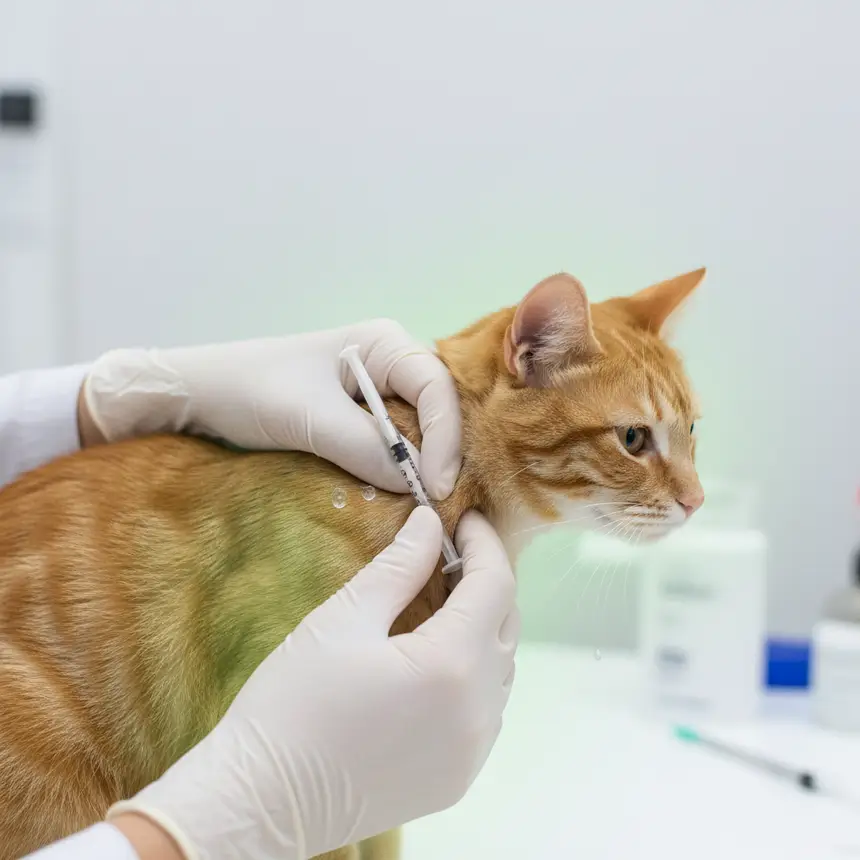
Tailored Care: The Cornerstone of Expert Veterinary and Nutritional Management
Effective management of chronic pet conditions absolutely requires professional veterinary care. A veterinarian will formulate the most suitable treatment plan based on your pet's individual needs, guiding you through necessary medications and supplements. For instance, with feline diabetes, regular blood glucose monitoring and the selection or adjustment of modern insulin types are crucial. Pets with pancreatitis might require digestive enzyme supplements or specific nutrient adjustments. Furthermore, nutrition plays a pivotal role in disease management. Diets that aid in blood sugar control are recommended for diabetic pets, while those with pancreatitis may benefit from prescription diets with controlled fat content. Continuous review and adjustment of your pet's optimized nutrition and treatment plan through close communication with your vet is paramount.

Consistent Daily Practices for Lifelong Pet Health
Just as vital as veterinary consultations are the owner's consistent daily care practices. First, selecting a trustworthy veterinary clinic is essential; choose one with experienced professionals, necessary diagnostic equipment, and a strong emphasis on client communication. Second, ensure that daily medications and prescription foods are administered precisely at the prescribed times and dosages. Third, cultivate the habit of consistently observing and recording subtle changes in your pet's appetite, water intake, elimination habits, and activity levels. This information is invaluable for your vet to track disease progression and adjust treatment plans. Finally, consider pet insurance or establishing an emergency fund to prepare for unexpected medical expenses.

Embrace a Healthy Life Together with Love and Attention
Managing a pet's chronic illness is akin to a marathon, not a sprint. There will undoubtedly be tiring and challenging moments, but your consistent care and effort are indispensable for the precious family member by your side. Pets with conditions like diabetes or pancreatitis can still lead happy and fulfilling lives with proper management. Being sensitive to small changes, catching diseases early through regular health check-ups, and collaborating closely with your veterinarian are the most reliable ways to ensure your pet's healthy life. Take an active role in today's health management to help your beloved companion live longer and healthier alongside you.
Frequently Asked Questions
Q. What are the early signs of feline diabetes?
A. Early signs of feline diabetes include increased thirst and urination, often accompanied by a ravenous appetite but with corresponding weight loss. Reduced activity levels and lethargy can also be indicators. It's crucial to consult a veterinarian if you observe these symptoms.
Q. What dietary tips are essential for pets with pancreatitis?
A. A low-fat diet is critical for pets with pancreatitis. It's safest to feed prescription diets recommended by your veterinarian. Adjusting meal frequency and portion sizes can also help reduce digestive strain. Avoid all human foods and fatty treats.
Q. When should I take my senior dog to the vet if they seem "off"?
A. If your senior dog exhibits any unusual behavior or symptoms, it's best to visit the vet as soon as possible. Any persistent or worsening changes such as loss of appetite, vomiting, diarrhea, difficulty breathing, lethargy, signs of pain, or unusual coughing/barking warrant immediate veterinary attention.
Q. What criteria should I use to choose a good veterinary clinic?
A. When selecting a veterinary clinic, consider the veterinarian's expertise and experience, the clinic's facilities (availability of diagnostic equipment), ease of communication with the medical team, and their ability to handle emergencies. Visiting and consulting with several clinics can be beneficial.
Q. What is the pet owner's role in managing a pet's chronic illness?
A. Pet owners are key partners in managing chronic illnesses. This involves accurately administering medications, feeding prescribed diets according to veterinary instructions, meticulously observing and recording changes in your pet's health. Regular vet visits and check-ups are also crucial, along with a commitment to learning about the condition.