A healthy beak is fundamental to a parrot's well-being. Discover the importance of proper parrot beak care, learn effective maintenance techniques, and find out how to keep your feathered friend's beak in optimal condition. Ensure your parrot's health with regular care and attention.

The Foundation of Parrot Well-being: Why Beak Care Matters
For parrots, their beak is far more than just a tool; it's a vital organ essential for eating, preening, climbing, and exploring their environment. Proper parrot beak care is a cornerstone of their overall quality of life, playing a crucial role in ensuring they live comfortably and healthily, free from the distress of beak-related issues. A healthy beak appears smooth, lustrous, and maintains a balanced shape without excessive growth or deformities. When a parrot's beak develops abnormal growth, discoloration, cracks, or other problems, it can lead to difficulties in eating, pain, stress, and a general decline in health. Therefore, consistently monitoring your parrot's beak condition and taking appropriate action is paramount. Through diligent care, your parrot can enjoy a longer, more vibrant life.
Practical Steps for Maintaining Optimal Parrot Beak Health
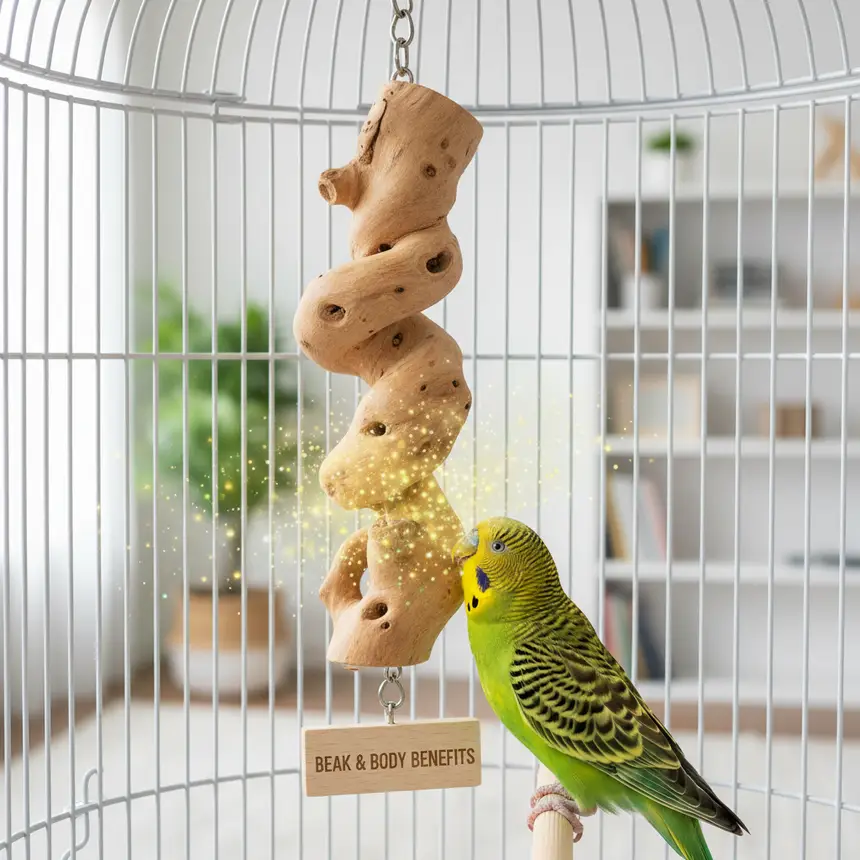
To ensure your parrot's beak remains in peak condition, integrating several practical care strategies into their daily routine is essential. Firstly, create an environment that encourages natural beak wear. Provide a variety of perches with different textures and ample chew toys, such as natural wood blocks, mineral blocks, or hard-shelled nuts, giving your parrot opportunities to grind and wear down their beak naturally. This activity is crucial in preventing overgrowth. Secondly, a balanced diet forms the bedrock of beak health. Offer high-quality pelleted food rich in essential nutrients, including calcium and Vitamin D, supplemented with fresh vegetables and fruits to support strong, healthy beak development. Thirdly, cultivate a habit of regular beak observation. Daily, carefully examine your parrot's beak for its shape, color, and texture. If you notice any anomalies like cracks, discoloration, flaking, or excessive growth, consult a professional avian veterinarian immediately. Beak trimming or shaping might be necessary based on expert assessment. It is critical to entrust any beak trimming to experienced avian specialists, as attempting it yourself can be very dangerous.
※ This post contains affiliate links. I may earn a commission at no extra cost to you.

Precautions and Responsible Care for a Happy Avian Companion
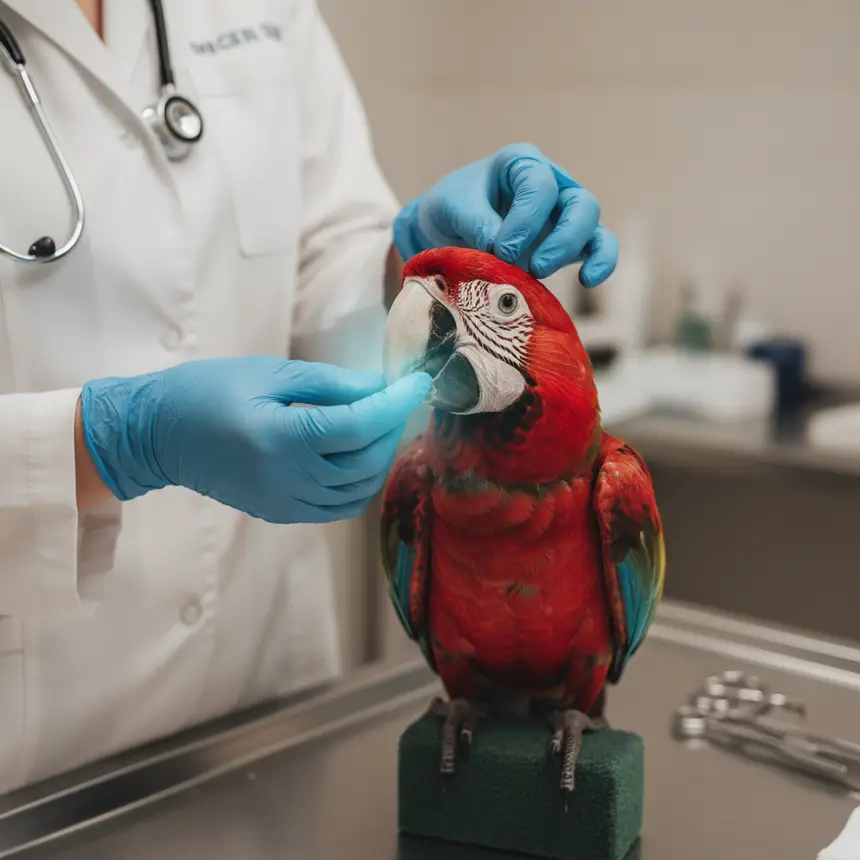
Parrot beak care is an area that demands meticulous attention. Beak trimming is a delicate procedure, and attempting it at home should be avoided. The parrot's beak contains nerves and blood vessels, and improper trimming can cause severe pain, bleeding, and significant stress or trauma to your bird. If beak trimming is deemed necessary, it is imperative to seek the assistance of an avian veterinarian or a skilled avian groomer. These professionals can safely and accurately trim the beak, considering the parrot's species and individual beak condition. While beak care is vital for all parrot species, it is especially crucial for larger parrots, those with specific nutritional deficiencies, or birds with congenital beak deformities, requiring extra vigilance and regular check-ups. Beak health is not merely a cosmetic concern; it is directly linked to your parrot's overall well-being, necessitating consistent attention and proper care from pet owners. Only with a healthy beak can your parrot truly enjoy a vibrant and fulfilling life with you.
Frequently Asked Questions
Q. Why is parrot beak care so important?
A. A parrot's beak is an essential tool for daily activities like eating, exploring objects, and preening feathers. Problems with the beak can lead to eating difficulties, pain, and stress, significantly reducing their quality of life, which is why proper care is crucial.
Q. How often should a parrot's beak be trimmed?
A. For healthy parrots, their beaks often wear down naturally through chewing toys and perches, so frequent trimming may not be necessary. However, if the beak grows excessively or becomes deformed, trimming should only be done by a professional based on their diagnosis. Regular monitoring is key.
Q. Can I trim my parrot's beak at home?
A. The inside of a parrot's beak contains nerves and blood vessels, making home trimming extremely dangerous. Incorrect trimming can cause severe pain, bleeding, and significant trauma to your parrot. It is essential to have this procedure performed by an avian veterinarian or an experienced avian groomer.
Q. What kind of toys should I provide for my parrot's beak health?
A. Natural wood blocks, mineral blocks, hard-shelled nuts, or safe toys made for chewing and gnawing help with beak wear. Providing perches with various textures is also beneficial.
Q. How can I tell if my parrot has a beak problem?
A. If the beak grows unusually long or crooked, shows cracks or flaking on the surface, changes color, or if your parrot shows discomfort when eating or frequently rubs its beak, you should suspect a beak problem and consult a professional.